Iran’s Nuclear Ambitions: Expert Explains Capabilities
Expert Darya Dolzikova discusses the uncertainties surrounding Iran's nuclear program following U.S. strikes. Key concerns focus on fissile material and centrifuges, which are difficult to monitor remotely, alongside Iran's significant missile capabilities.

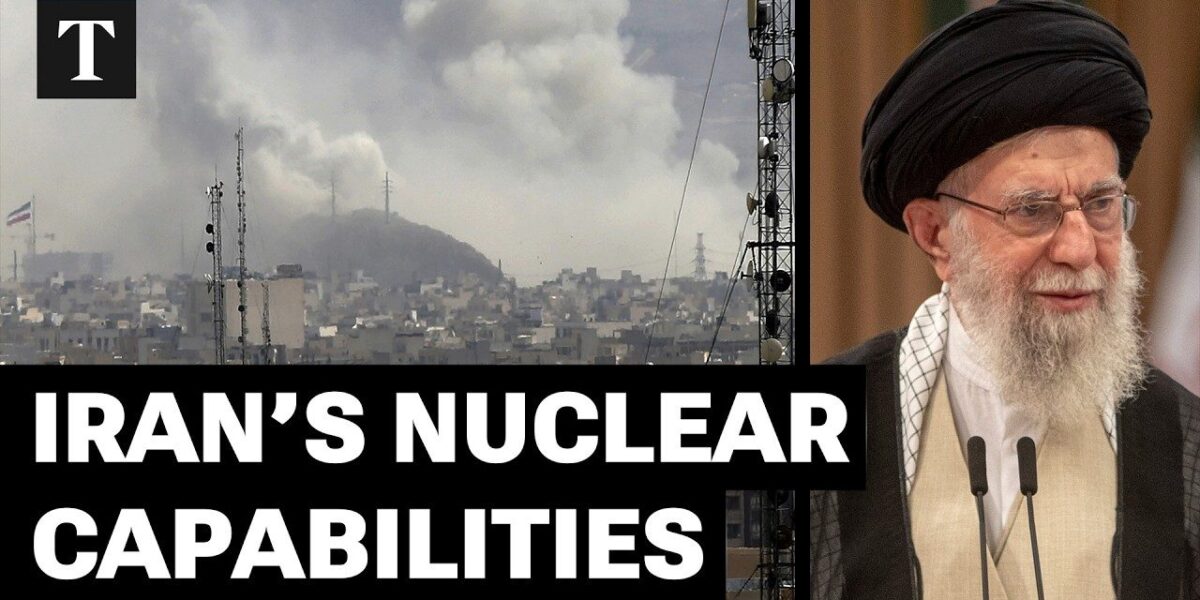
US Launches Strikes Amid Nuclear Concerns
In a dramatic escalation of regional tensions, the United States has launched major combat operations against Iran, with President Donald Trump citing the nation’s persistent nuclear ambitions and long-range missile development as the primary justification. The preemptive strikes, reportedly targeting Iranian missile capabilities, come after decades of diplomatic stalemate and Iran’s refusal to renounce its nuclear program. Iran has allegedly responded by targeting U.S. bases in Kuwait, the UAE, Qatar, and Bahrain, marking a significant escalation in the ongoing conflict.
Assessing Iran’s Nuclear Program: Uncertainty and Risk
Darya Dolzikova, a senior research fellow at the Proliferation and Nuclear Policy Program, provided critical insights into the complexities surrounding Iran’s nuclear capabilities in a recent interview. A key challenge, Dolzikova explained, is the lack of a clear picture regarding the precise impact of previous strikes on Iran’s nuclear infrastructure. While it is generally believed that past attacks did not obliterate the program, they are thought to have significantly set it back.
“The general kind of consensus tends to be that the last round of strikes didn’t obliterate the program but did set it back quite significantly.”
Persistent concerns remain about Iran’s potential to rebuild and its capacity to pose a proliferation risk. The focus of these concerns centers on the survival and location of highly enriched uranium stocks – the essential material for nuclear weapons – and the centrifuges, the specialized equipment needed to process this material to weapons-grade levels. The current strikes, Dolzikova noted, will only further complicate efforts to ascertain the status of these critical components.
Uranium Enrichment Levels: A Closer Look
Addressing reports of enriched plutonium reaching 80%, Dolzikova clarified that prior to recent events, Iran was known to be enriching uranium to 60%. She recalled an instance where the International Atomic Energy Agency (IAEA) detected trace materials enriched up to 83%, but Iran provided a credible explanation that it was not intentional enrichment or stockpiling. Nonetheless, enrichment to 60% is considered very close to weapons-grade.
The current status of this enriched uranium remains largely unknown, particularly since Iran has denied the IAEA access to targeted facilities following earlier strikes. This lack of transparency hinders international monitoring and assessment of Iran’s nuclear progress.
Missile Capabilities: A Regional Threat
Beyond its nuclear program, Iran’s advanced missile capabilities represent a significant concern for regional stability. Dolzikova highlighted that regional actors often express greater apprehension about Iran’s missile arsenal than its nuclear program, given the former’s direct applicability to regional conflicts.
These missile capabilities are not only a threat to regional adversaries but also serve as a retaliatory tool against U.S. and allied assets in the region. Furthermore, reports indicate Iran has supplied drones and potentially missile technology to support Russia’s war effort in Ukraine.
Origin of Military Equipment: Domestic and International Ties
Regarding the origin of Iran’s military hardware, Dolzikova explained that it is a mix of domestically developed technology and international cooperation. Iran possesses a technologically advanced domestic defense industry, enabling it to produce a significant portion of its equipment. Historically, Iran has also been involved in proliferation, supplying its own proxies and allies with military technology.
Cooperation with countries like North Korea has been reported in the development of more advanced missile systems. However, the extent of current reliance on foreign suppliers versus domestic production remains complex, with Iran’s own advanced capabilities being a key factor.
Challenges in Remote Monitoring
Assessing the true state of Iran’s nuclear program remotely presents immense difficulties. Many of Iran’s nuclear facilities are located underground, making direct observation challenging. While satellite imagery analysis by open-source intelligence experts can reveal certain activities, such as the hardening of facilities in anticipation of attacks, it cannot provide definitive information on centrifuges or fissile material.
“Really what we’re concerned about again is those centrifuges and that fissile material and that you can’t see from satellite imagery.”
As Dolzikova emphasized, a tangible, on-the-ground presence, ideally from the IAEA, is crucial for accurate evaluation and monitoring of Iran’s nuclear capabilities and materials. Without such access, the international community faces significant uncertainty regarding the progress and intentions behind Iran’s nuclear program.
Looking Ahead
The current military actions and the ongoing lack of transparency surrounding Iran’s nuclear facilities create a volatile and unpredictable environment. The international community will be closely watching for any signs of further escalation, shifts in Iran’s nuclear posture, and the effectiveness of international monitoring efforts in a conflict-ridden landscape. The ability to verify Iran’s nuclear activities remains paramount to regional and global security.
Source: Missiles Expert Explains Iran’s Nuclear Capability | Darya Dolzikova (YouTube)

Related Articles

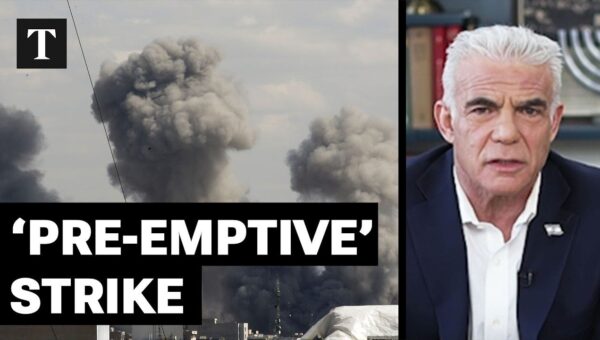
Israel Defends Iran Strikes, Cites Nuclear Threat
Israeli Opposition Leader Yair Lapid defended recent strikes against Iran, citing Tehran's nuclear ambitions and threats as justification for military action. He distinguished between accidental civilian casualties in defensive operations and intentional targeting by Iranian forces, while addressing the global implications of a nuclear Iran.

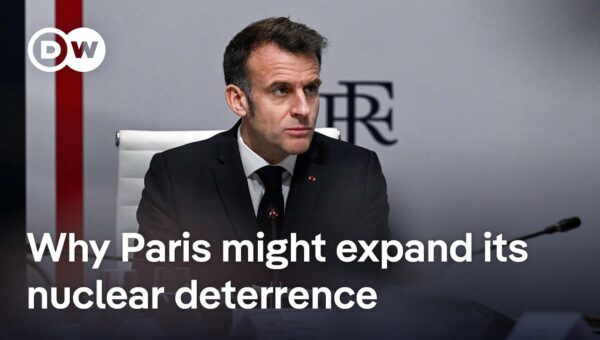
Europe Rethinks Nuclear Deterrence Amid US Uncertainty
European leaders are contemplating an expansion of their nuclear arsenals due to growing uncertainty over the US nuclear umbrella. Discussions between France and Germany explore extending nuclear deterrence, though Germany remains committed to non-proliferation treaties. Experts warn of the immense costs and potential weakening of NATO.

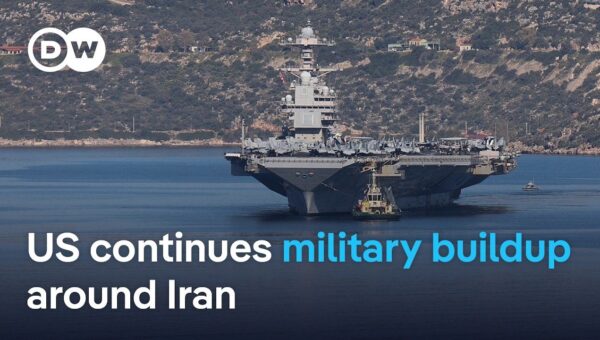
US Military Buildup Near Iran: Domestic Resistance Slows Attack?
The US has amassed significant military forces near Iran, but domestic opposition and ongoing nuclear talks may be deterring immediate conflict. As diplomatic negotiations continue, the divergent demands of both nations and the potential for escalation remain critical concerns.