Iran’s Nuclear Ambitions Challenge Global Order
Iran's pursuit of nuclear weapons and its disregard for international agreements pose a significant challenge to global stability. The regime's apparent indifference to consequences makes traditional diplomacy difficult, forcing world powers to consider drastic measures and re-evaluate regional security dynamics.


Iran’s Nuclear Ambitions Challenge Global Order
Iran’s pursuit of nuclear weapons and its apparent disregard for international deals present a major challenge to global stability. This situation forces difficult choices for world leaders, especially the United States. The core issue is how to stop Iran from developing nuclear weapons when its leaders seem unconcerned about the consequences of their actions, even if it means harming their own people or risking wider conflict.
A Leader Unfazed by Consequences
The Iranian regime operates differently from many other nations. Unlike leaders who worry about their economy or public opinion, Iran’s leaders appear willing to endure significant hardship. They seem prepared to slaughter their own citizens and develop nuclear weapons that could threaten countries like Israel. This mindset makes traditional negotiations extremely difficult. It’s like trying to reason with someone who has nothing to lose.
The Nuclear Threat and the Strait of Hormuz
The top priority for the United States must be preventing Iran from obtaining nuclear weapons. Another critical concern is the safety of the Strait of Hormuz, a vital waterway for global oil shipments. If Iran were to disrupt this passage, it could cause massive economic damage worldwide. Securing this route would be a major victory for international peace and stability.
Why Traditional Deals Fail
Iran has a history of not honoring agreements. Every deal made with them so far has been broken. This track record makes it hard to believe they would suddenly start keeping promises. Making a deal with a nation that doesn’t seem to care about the outcome is a risky proposition. It raises questions about the effectiveness of diplomacy when one party is unwilling to compromise or adhere to agreed-upon terms.
Examining Past Strategies
The United States has tried various approaches to influence Iran. These include economic pressure, attempts to bribe them with aid, and even efforts to destabilize their leadership. Former President Trump discussed a strategy that involved weakening Iran’s military capabilities and making life difficult for its government. The hope was that this pressure would encourage the Iranian people to rise up against their leaders. However, some analysts question the effectiveness of such tactics. They worry that bombing infrastructure could lead to immense suffering for ordinary Iranians, potentially uniting them against external forces rather than inspiring a revolt.
The Unrealistic Hope of Revolution
The idea of a popular revolution in a country of 93 million people, especially when the government has a strong security force, is seen by many as highly unlikely. History shows that bombing campaigns, like those in World War II or the Civil War, do not always lead to uprisings against the attackers. Instead, they can sometimes strengthen national resolve against perceived enemies. The challenge is to punish the regime without alienating the population, a delicate balancing act.
A Difficult Path Forward
The current situation leaves the U.S. president with few good options. Iran’s influence over oil prices means they can significantly impact the global economy. Forcing Iran to agree to a deal seems almost impossible without resorting to extreme military action, such as destroying their nuclear facilities. The debate continues on the best way to achieve the goal of a non-nuclear Iran while avoiding wider conflict and protecting global interests.
Global Impact: A Shifting World Order
Iran’s nuclear ambitions and its defiant stance are reshaping international relations. The potential for a nuclear-armed Iran changes the security calculations for countries in the Middle East and beyond. It forces allies to reconsider their security arrangements and alliances. This situation highlights the growing complexity of global security, where non-state actors and defiant states can pose significant challenges to established international norms and institutions.
Historical Context: The Nuclear Non-Proliferation Treaty
Iran’s nuclear program is viewed against the backdrop of the Nuclear Non-Proliferation Treaty (NPT). This treaty aims to prevent the spread of nuclear weapons and promote peaceful uses of nuclear energy. Countries that sign the NPT agree not to develop nuclear weapons. Iran’s actions raise concerns about the effectiveness of this treaty and the international community’s ability to enforce its provisions. Past agreements, like the Joint Comprehensive Plan of Action (JCPOA) or Iran nuclear deal, aimed to curb Iran’s program in exchange for sanctions relief. However, the U.S. withdrawal from the JCPOA in 2018 and Iran’s subsequent actions have brought the issue back to the forefront.
Economic Leverage and Dependencies
Oil plays a crucial role in this geopolitical struggle. Iran, as a major oil producer, can influence global energy prices. Disruptions to its oil exports, or its ability to control vital shipping lanes like the Strait of Hormuz, can have severe economic consequences worldwide. Conversely, international sanctions imposed on Iran aim to cripple its economy, limiting its ability to fund its nuclear program and regional activities. However, these sanctions also impact the daily lives of ordinary Iranians, a factor that complicates the strategy of applying economic pressure.
Future Scenarios
Several future scenarios are possible. One is that Iran successfully develops nuclear weapons, leading to a regional arms race and increased instability. Another is that diplomatic efforts, perhaps with renewed international pressure or incentives, lead to a verifiable agreement that halts Iran’s nuclear program. A third scenario involves military action to prevent Iran from acquiring weapons, carrying significant risks of escalation. The most challenging path involves finding a way to change the Iranian regime’s behavior without triggering a major conflict.
Source: Iran has nothing to lose, has no care for deal: Bill O'Reilly | On Balance (YouTube)

Related Articles


Ukraine Strikes Deep: Russia’s War Machine Weakens
Ukraine is increasingly launching drone attacks deep inside Russia, hitting critical oil infrastructure and weakening Moscow's war machine. Russia faces a severe manpower crisis and economic strain, with territorial gains plummeting and recruitment targets missed. This strategic pressure is making the war unsustainable for the Kremlin.

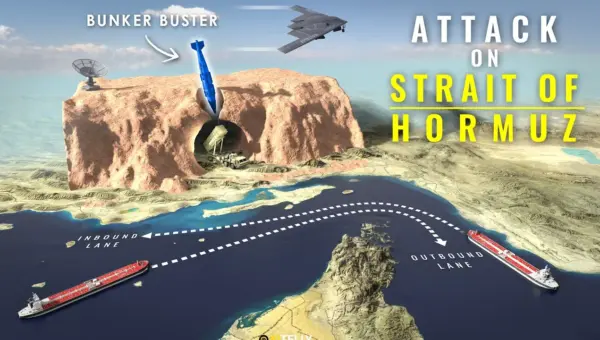
Iran’s Strait of Hormuz Trap: How the US Fights Back
Iran's strategy to control the Strait of Hormuz involves using islands as bases for anti-ship missiles and launching swarm attacks with small boats. The US counters with advanced defense systems, surveillance drones, and powerful bunker-buster bombs, highlighting the ongoing tension in this vital global shipping lane.
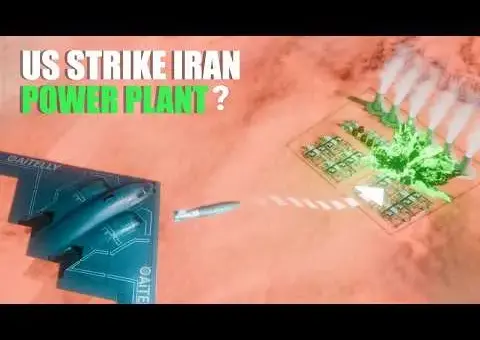
US Aims to Cripple Iran’s Power Grid to Secure Strait of Hormuz
A new US strategy reportedly targets Iran's power grid, including major plants like Damavand, to force open the Strait of Hormuz. The plan involves multi-stage air attacks using advanced bombers and precision munitions to cripple energy infrastructure and cause cascading failures.