Iran’s Nuclear Aims Block Peace: Expert Warns of Escalation
Iran's rejection of a U.S. ceasefire proposal is driven by its refusal to concede on nuclear weapons ambitions, an expert warns. This stance makes a lasting peace deal unlikely and increases the risk of military escalation. The Strait of Hormuz remains a critical flashpoint in the ongoing tensions.

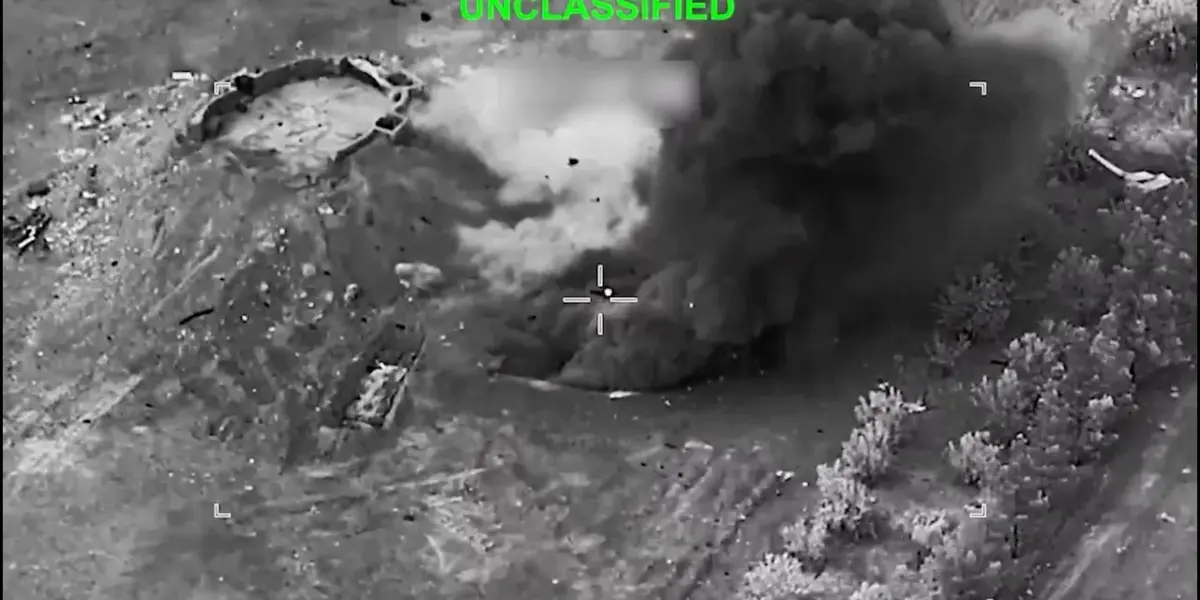
Iran’s Nuclear Ambitions Threaten Ceasefire Deal
A recent ceasefire proposal aimed at de-escalating tensions between the United States and Iran has been rejected by Iran. Andrew Harding, a senior associate at the Heritage Foundation, believes Iran’s best move would be to accept the terms offered by President Trump. Harding suggests that the President is prepared to take further action, which he calls “Operation Epic Fury,” if Iran does not engage in diplomatic talks. This could involve targeting various Iranian infrastructure, from power plants to communication centers.
The successful rescue of a second American airman from Iran over Easter weekend demonstrated the U.S. military’s ability to conduct operations within Iran. Harding emphasized that it is in Iran’s best interest to negotiate rather than push back against diplomacy, which could prevent further escalation.
Negotiations Stalled by Iran’s Demands
With a deadline approaching, Harding indicated that significant progress in negotiations has not been made. This suggests that President Trump does not see justification for extending deadlines. However, the President has shown a willingness to move deadlines if substantial progress occurs, particularly if he believes he is dealing with a more reasonable Iranian regime. Harding noted that there have been talks, possibly through intermediaries like Pakistan, suggesting some level of engagement.
Despite the desire for peace and negotiation, Iran has not yet agreed to U.S. proposals to avoid escalation. Harding pointed out that Iran’s demands, including lifting sanctions and reconstruction aid, are unrealistic, especially since Iran is unwilling to commit to not pursuing nuclear weapons. This is the core issue preventing a deal.
Nuclear Weapons: The Sticking Point
Iran does not want to commit to not pursuing a nuclear weapon. And that right there is going to be a problem.
Harding explained that Iran’s refusal to explicitly state they will not pursue nuclear weapons is a major obstacle. This issue, along with missile systems, was a key point of contention before “Operation Epic Fury.” He highlighted the success of U.S. and Israeli conventional actions against Iran, suggesting that Iran’s expectation of a cessation of attacks is unrealistic if they do not address the nuclear question.
For a lasting peace or ceasefire, Harding believes Iran must make concessions on its nuclear program and ensure it will not pursue nuclear weapons. Until then, he predicts that the current operation will likely continue. He also suggested that significant proof would be needed to ensure such promises are genuine.
The Strait of Hormuz: A Critical Flashpoint
The Strait of Hormuz remains a significant point of tension and a key element in any potential deal. Harding described it as Iran’s main leverage point. He expressed relief that the second airman was not taken hostage, as Iran might have used him for propaganda or as new leverage in negotiations.
Iran’s ability to threaten oil prices and access through the Strait gives them significant power. President Trump has acknowledged this, sending messages that Iran must open the Strait for its own benefit, or face further escalation targeting dual-use infrastructure. Harding anticipates that if Iran continues to disrupt trade, the U.S. may become more forceful in ensuring the Strait remains open, potentially using military means.
Future Outlook and International Role
Harding also mentioned the possibility of increased international pressure for other countries to play a larger role in resolving the conflict, suggesting this could be another avenue for the U.S. to explore if the situation continues. The core issue, however, remains Iran’s nuclear ambitions. Without concessions on this front, achieving a lasting peace or ceasefire appears unlikely, and the risk of further escalation remains high.
Why This Matters
This situation highlights the complex geopolitical challenges in the Middle East, particularly concerning nuclear proliferation and international security. Iran’s pursuit of nuclear capabilities directly impacts regional stability and global security concerns. The U.S. stance, as outlined by Harding, emphasizes a strong deterrent approach, willing to escalate military action if diplomatic solutions, particularly regarding nuclear weapons, are not met.
Historical Context
Tensions between the U.S. and Iran have a long history, dating back to the 1979 Iranian Revolution. The nuclear program has been a central point of contention for years, leading to international sanctions and diplomatic efforts like the Joint Comprehensive Plan of Action (JCPOA), from which the U.S. withdrew in 2018. This current situation represents a continuation of these long-standing disputes, with a focus on immediate de-escalation under a tight deadline.
Implications and Future Outlook
The outcome of these negotiations, or lack thereof, will have significant implications. If Iran continues to resist concessions on its nuclear program, the likelihood of military escalation increases. This could lead to wider conflict in the region, impacting global oil markets and international relations. Conversely, if Iran agrees to verifiable limits on its nuclear program, it could pave the way for sanctions relief and a potential shift towards more stable relations, though trust will remain a major issue.
The Strait of Hormuz’s role as a flashpoint underscores the vulnerability of global energy supplies. Any disruption there has immediate and far-reaching economic consequences. The U.S. strategy appears to be one of applying pressure through the threat of military action and targeted sanctions, hoping to force Iran to the negotiating table with realistic terms.
The expert’s analysis suggests that a durable peace hinges on Iran’s willingness to abandon its pursuit of nuclear weapons. Without this fundamental shift, diplomatic efforts may falter, and the region could face further instability. The coming days and weeks will be critical in determining whether diplomacy prevails or if “Operation Epic Fury” signals a new phase of conflict.
Source: Only Iranian Concessions on Nuclear Weapons Could Effect a Ceasefire Deal: Expert (YouTube)

Related Articles
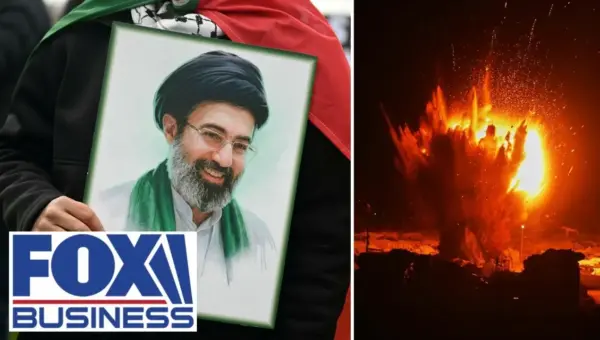
Activist Slams Democrats on Iran War Rhetoric
An Iranian human rights activist sharply criticized Democratic politicians for labeling former President Trump's potential military actions against Iran as war crimes. Goldie Ghamari argued that the Iranian regime itself is the true war criminal, citing its human rights abuses and use of citizens as human shields.


Iran’s Ceasefire Masks Deep Fear, Calls for Intervention
Despite a recent two-week ceasefire, Iranians remain deeply fearful of their regime's reprisal. An Iranian American doctor criticizes the government's brutality and calls for decisive action, comparing the situation to WWII. The U.S. claims military objectives are met, but questions remain about Iran's long-term safety and potential nuclear ambitions.

NATO Allies’ Betrayal Fuels Putin’s Dream
Many NATO allies hindered U.S. operations during the Iran conflict, revealing a lack of support that plays into Russia's goal of weakening the alliance. Eastern European nations remain loyal, but their influence is limited.