Iran’s New Leader Threatens Strait of Hormuz Closure
Iran's new Supreme Leader has declared the Strait of Hormuz will remain closed, using it as leverage and vowing to continue attacks on Arab neighbors. The remarks come amid speculation about the leader's health and raise concerns about prolonged regional conflict and global oil supply disruptions.

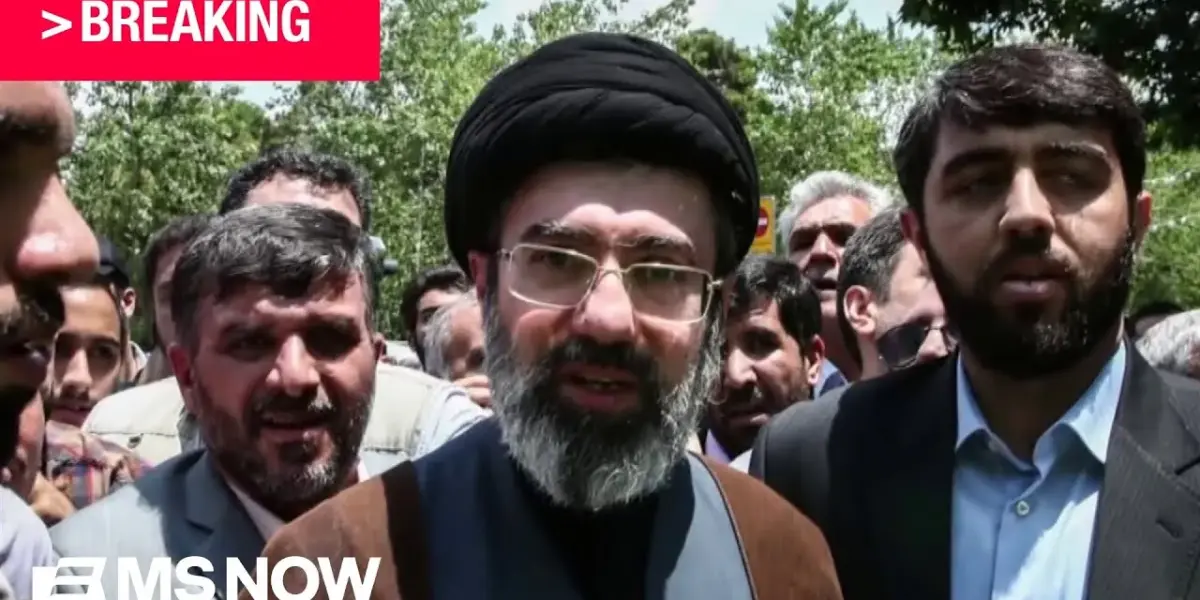
Iran’s New Supreme Leader Issues Stark Warning on Strait of Hormuz
In a significant development that could further escalate regional tensions, Iran’s newly appointed Supreme Leader has declared that the Strait of Hormuz will remain closed, signaling Iran’s intent to use the vital waterway as leverage. The remarks, delivered off-camera, also indicated that attacks on Iran’s Arab neighbors would continue, with avenging the deaths of “martyrs” being a top priority. This statement comes amid ongoing speculation about the leader’s health and his capacity to govern.
Uncertainty Surrounds Leader’s Health and Remarks
The pronouncements from Iran’s new supreme leader are shrouded in uncertainty, particularly regarding his personal well-being. U.S. officials reportedly believe he sustained injuries during an initial wave of attacks, though the severity remains unclear, and he has not been seen publicly since. The fact that his message was delivered off-camera has fueled speculation about his condition. While the remarks themselves suggest a commitment to prolonged conflict rather than de-escalation, questions linger about their origin. Some analysts suggest the statements may have been formulated by the Revolutionary Guard, especially given the ongoing debates surrounding the legitimacy of his appointment, with reports indicating he may not have secured the majority support of the clerical establishment.
“Let’s just for argument’s sake, whether he’s alive or not, whoever released this on his behalf, if he in fact is isn’t well enough to release, the people who are running Iran right now are in it for the long run.”
Regardless of the leader’s personal health, the sentiment conveyed suggests that the current Iranian regime is prepared for a protracted struggle. This stance contrasts with the White House’s apparent desire to find an “off-ramp” or a way to achieve a swift resolution, particularly given concerns over oil prices and market stability.
Strait of Hormuz: A Critical Global Chokepoint
The Strait of Hormuz is one of the world’s most crucial maritime chokepoints, through which approximately 20-30% of the world’s oil-related traffic passes. Any disruption to this vital artery has immediate and significant global economic repercussions, including potential spikes in oil prices and broader market volatility. Iran’s threat to close the strait represents a direct challenge to international maritime freedom and economic stability.
Implications for Regional Stability and Global Markets
The potential closure of the Strait of Hormuz poses a severe threat to global energy security and international relations. For the United States and its allies, such a move would necessitate a significant escalation of efforts, potentially including naval escorts for commercial vessels to ensure the free flow of oil. The remarks from Iran’s leader suggest a deliberate strategy to weaponize energy supplies, complicating efforts by global powers to de-escalate the situation and stabilize energy markets.
Domestically, the situation presents challenges for the current U.S. administration, making it harder to secure a clear victory and withdraw from the escalating conflict. If Iran can successfully disrupt oil flows and maintain control of the strait, it could emerge from the confrontation in a stronger position, undermining previous efforts to contain its influence and secure global energy routes.
Future Outlook: Escalation or Diplomacy?
The coming days and weeks will be critical in determining the trajectory of this unfolding crisis. The international community will be closely watching for further actions or statements from Iran, as well as the response from the United States and its allies. Key questions remain regarding the leader’s actual condition and the extent to which the Revolutionary Guard is driving Iran’s aggressive posture. The potential activation of “other fronts,” as hinted by the supreme leader, also raises concerns about the broader scope and duration of the conflict. Whether diplomacy can prevail over belligerence, or if the world is on the cusp of a prolonged period of instability driven by control over vital energy resources, remains to be seen.
Source: BREAKING: Iran's new supreme leader says Strait of Hormuz will remain closed (YouTube)

Related Articles

Markets Wobble as Geopolitics Shift Dramatically
Global markets are showing volatility as geopolitical tensions rise, with the Nasdaq nearing correction territory. Concerns over consumer spending, rising costs, and the nation's fiscal health are intensifying. Analysts debate whether current events represent short-term market noise or a fundamental "reinvention of geopolitics" with long-term implications.


Pope Leo XIV Shifts Vatican’s Global Focus
Pope Leo XIV, the first American pope, brings a unique multicultural background and extensive missionary experience to the Vatican. His election signals a potential shift in the Church's global focus, with an emphasis on peace and contemporary issues like artificial intelligence.
Saudi Prince Pushes Trump Toward Iran War Escalation
Saudi Crown Prince Mohammed bin Salman is reportedly urging President Trump to escalate attacks on Iran, pushing for strikes on its energy infrastructure. This strategy would likely harm ordinary Iranians while benefiting Saudi economic interests and the U.S. military-industrial complex. The situation highlights concerns over foreign influence on U.S. foreign policy and the human cost of conflict.