Iran’s New Leader: Son Inherits Crisis Amid Regional Tensions
Iran's new Supreme Leader, Mushta Baham, has inherited a nation in crisis following the death of his father, Ali Khamenei, in an Israeli strike. Baham, who has never held public office, is known for his close ties to the Revolutionary Guard and reportedly holds extremist views, presenting a complex challenge for both domestic stability and international relations.

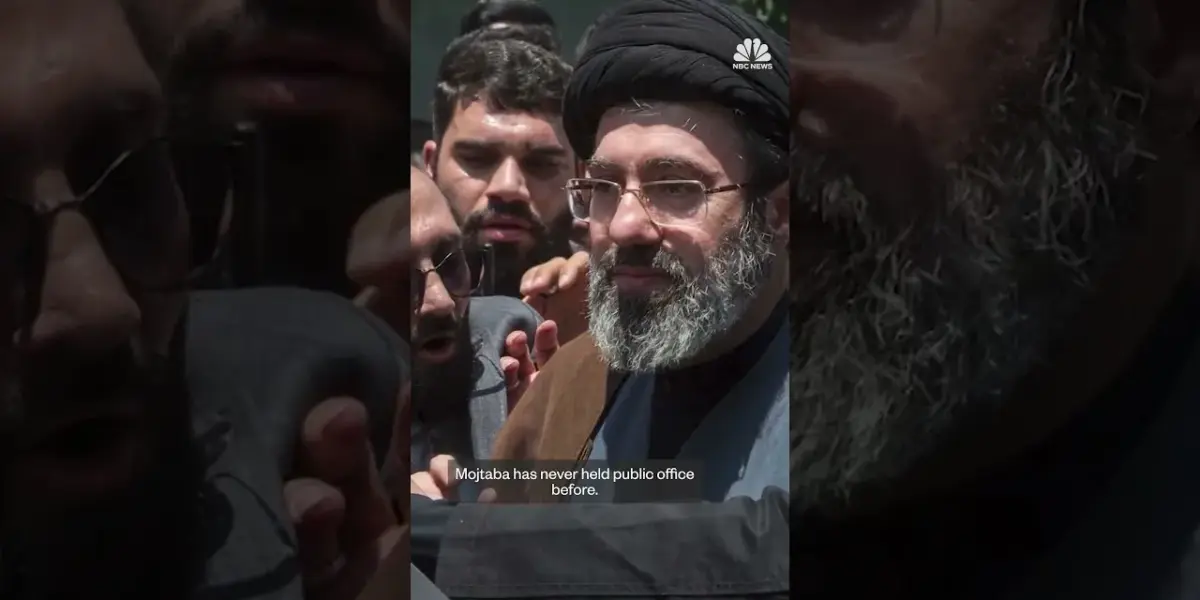
New Era for Iran as Son Succeeds Father After Deadly Strike
Iran is entering a new and uncertain chapter with the ascension of Mushta Baham, 56, as its new Supreme Leader. He inherits the mantle of leadership from his father, former leader Ali Khamenei, who was killed in an Israeli airstrike in the early hours of the ongoing conflict. The same attack claimed the lives of Mushta Baham’s wife and mother, according to Iranian state media. This marks the first time power within the Islamic Republic has transitioned from father to son, a development occurring amidst a deeply challenging domestic and international landscape for the nation.
A Leader Shaped by Conflict and Ideology
Mushta Baham, though never holding public office, has been a significant, albeit behind-the-scenes, figure in his father’s government for years. His formative years were marked by the 1979 Iranian Revolution, and as a teenager, he served in the army during the Iran-Iraq War in the 1980s. This background appears to have profoundly shaped his worldview. A 2007 State Department cable, later published by WikiLeaks, described him as holding “extremist views” and wielding “significant influence” within the Supreme Leader’s office. Iranian state media has indicated that he is entering his new role with a strong sense of animosity towards the United States and Israel.
Close Ties to the Revolutionary Guard
A key element of Mushta Baham’s power base appears to be his close relationship with the Islamic Revolutionary Guard Corps (IRGC). This elite military and security force is tasked with safeguarding the survival of the regime, countering external threats, and crucially, suppressing internal dissent. The IRGC’s influence is expected to remain a dominant factor under Baham’s leadership, potentially signaling a continuation of the hardline approach to domestic opposition and foreign policy.
Domestic Unrest and International Skepticism
Despite the official narrative, the transition of power has not been without dissent. Reports indicate that some Iranians have voiced opposition, with chants of “Death to Mushta” heard in Tehran. This underscores the underlying public discontent that Baham must confront. His international standing is also likely to be scrutinized, particularly in relation to major global powers. The prospect of him engaging in “business” with figures like U.S. President Donald Trump is considered highly improbable by analysts. “It is very hard to imagine that he would be able to do business with President Trump,” one assessment suggests, adding that “it would be very unpopular right out of the gate to try to appease the aggressor from the perspective of Iranian politics.” This sentiment highlights the deep-seated animosity and the challenging diplomatic environment Iran faces.
Broader Implications for Regional Stability
The succession of Mushta Baham comes at a critical juncture for the Middle East. The ongoing conflict, which claimed the life of his father, has heightened regional tensions. Baham’s leadership is expected to be tested by these complex geopolitical dynamics. His approach to foreign relations, particularly with Iran’s neighbors and global adversaries, will be closely watched. The IRGC’s continued prominence suggests a potential for sustained assertive foreign policy and a continued focus on challenging perceived external threats. The internal consolidation of power by Baham and the IRGC will be crucial in determining Iran’s trajectory in the coming months and years.
What to Watch Next
All eyes will be on Mushta Baham’s initial policy pronouncements and actions. Key indicators will include his stance on the ongoing regional conflict, his approach to international diplomacy, and his strategies for managing Iran’s severe economic challenges. The strength and unity of the IRGC under his leadership, as well as the regime’s response to any further internal dissent, will also be critical factors shaping Iran’s future under its new, young Supreme Leader.
Source: Who is Iran's new supreme leader? (YouTube)

Related Articles

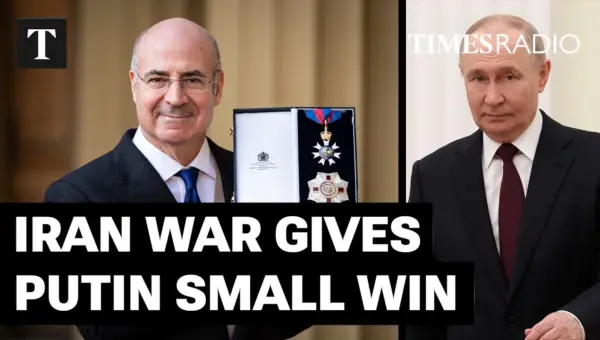
Trump’s Iran Policy Aids Russia, Hurts Europe, Expert Warns
A leading Russian finance expert warns that President Trump's actions regarding Iran and Russia are a "gift" to Vladimir Putin, enabling Moscow's war in Ukraine while harming Europe's energy security. The expert suggests Trump's policies prioritize business over geopolitical stability.
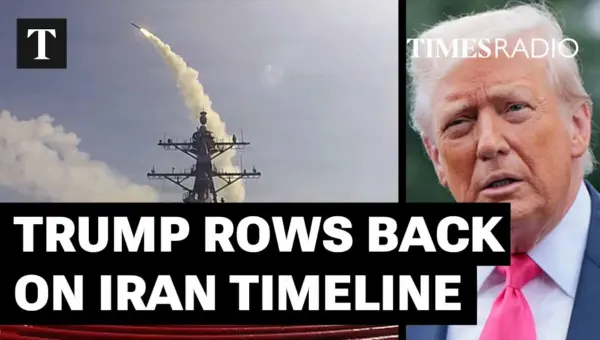
Trump’s Confident Iran Stance Faces Scrutiny Over Shifting Details
President Trump has projected "over the top confidence" regarding US operations in Iran, claiming decisive victories and rapid progress. However, reporters note shifting timelines, ambiguous threats to civilian infrastructure, and a lack of publicly shared intelligence, raising concerns about clarity and substantiation.
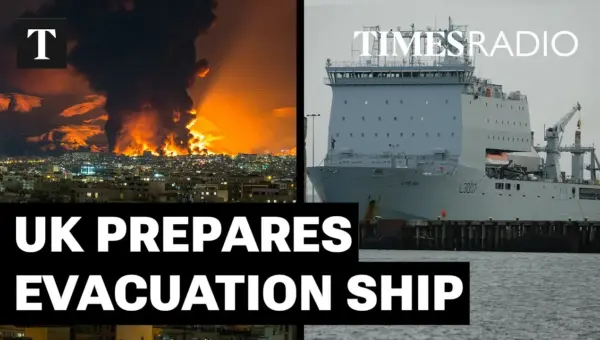
UK Deploys ‘Floating Hospital’ Amid Middle East Tensions
The UK is preparing the RFA Lyme Bay, a landing dock vessel, to serve as a 'floating hospital' in the Eastern Mediterranean. The ship will be equipped to treat casualties and evacuate British nationals amidst rising regional tensions.