Iran’s New Leader Signals Hardline Continuity, Analysts Warn
Iran's recent leadership change signals a hardline continuity, raising concerns about accelerated nuclear ambitions and regional instability. Analysts warn the economic and strategic costs of the ongoing conflict far outweigh any potential benefits, drawing parallels to historical strategic blunders.

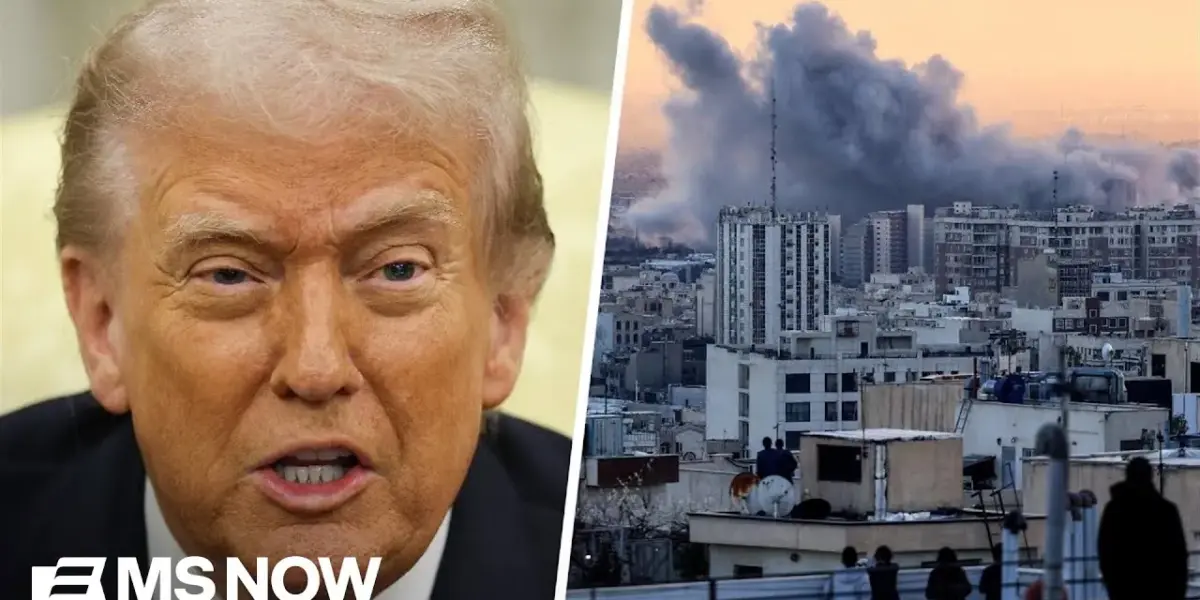
New Supreme Leader’s Ascension Sparks Concerns Over Hardline Stance, Nuclear Ambitions
TEHRAN – The recent elevation of a new, hardline leader in Iran has sent ripples of concern through international policy circles, with veteran diplomats and analysts warning that the move signals a continuation of the regime’s entrenched policies and could embolden its nuclear ambitions. The complex power dynamics within Iran, particularly in the wake of recent military actions, suggest a fluid and potentially volatile geopolitical landscape.
Shifting Power Dynamics and the Role of the Revolutionary Guards
The selection of the new leader, occurring under what are described as “extreme circumstances,” has raised questions about the actual extent of his power. Experts suggest that in times of conflict, authority tends to gravitate towards military figures. “Power tends to shift to the guys with guns,” noted one analyst, implying that the Revolutionary Guards (IRGC) and other military factions may wield more influence in the near to medium term than the new religious figurehead.
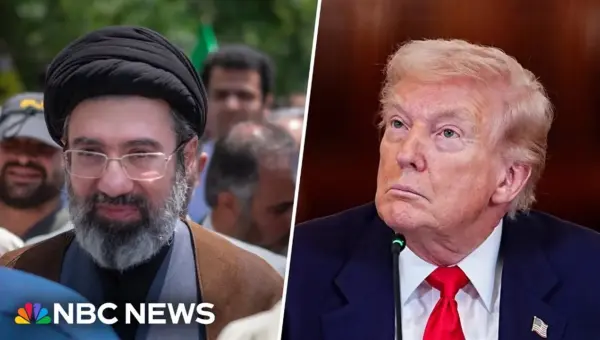
The situation is described as “fluid,” with current power structures potentially shifting rapidly. While the new supreme leader’s ability to accumulate power remains uncertain, his ascension is viewed by some as a direct rebuke to former President Trump, who had publicly asserted his influence over the selection process. The outcome, however, clearly indicates “regime continuity,” a factor that carries significant implications for regional stability.
Nuclear Program Concerns and Potential for Escalation
A particularly alarming prospect highlighted by analysts is the potential for the new leadership to accelerate Iran’s nuclear program. Unlike his father, the previous Supreme Leader Ayatollah Khamenei, who reportedly did not press forward with the nuclear weaponization aspect, the new leader might adopt a more aggressive stance. This is partly attributed to the perception that “the lack of a nuclear weapon has allowed Iran’s enemies to attack it with impunity.”
The continued possession of highly enriched uranium, specifically 440 kilograms enriched to 60%, is a focal point of concern. This material is described as a “building block of a bomb.” Intelligence agencies have been monitoring its location, reportedly stored underground but accessible. The possibility of a U.S. or joint U.S.-Israeli operation to secure this material has been discussed, though such a mission is deemed “incredibly, incredibly dangerous” due to the high risk of casualties and the complexity of operations within contested territory.
“The political, economic, strategic to our alliances, to our position in the world, are going to far outweigh any benefits.”
Economic Repercussions and Strategic Miscalculations
The conflict’s economic fallout is already being felt, with reports of spiking gasoline prices and tanking markets. This underscores Iran’s capacity to “increase the cost to the United States and its allies from this war.” The strategic missteps are further emphasized by comparisons to the Venezuelan operation, which is widely considered to have been a flawed analogy for engaging Iran.
“The idea that anyone thought it was going to in any way resemble Venezuela, all that shows is a complete ignorance about both Iran and Venezuela,” stated one commentator. The inherent uncertainties of war, coupled with the potential repercussions for global energy supplies, suggest a lack of thorough consideration before initiating hostilities. This action is predicted to be “in the annals” of historical follies, potentially joining the ranks of wars that have backfired spectacularly.
A “War of Choice” with Uncertain Outcomes
The decision to engage militarily with Iran is characterized as a “war of choice,” initiated when Iran was not perceived as an imminent threat to the United States. The move is seen by some as driven by “hubris and bravado” following perceived successes elsewhere, leading to a situation where the U.S. may have “bitten off more than it could chew.”
Looking ahead, the optimal outcome, according to some analysts, would be for the current administration to “wind up the war, declare victory and go home.” This approach, while leaving a “hostile regime” in power, would result in a militarily weakened Iran with setbacks to its nuclear and missile programs. Conversely, pursuing unconditional surrender or regime change is viewed as a significantly more dangerous path, potentially leading to global economic destabilization, oil shocks, and even civil war within Iran.
What to Watch Next
The coming weeks will be critical in determining the trajectory of the conflict and its broader implications. All eyes will be on whether diplomatic channels can be leveraged to de-escalate tensions, the potential for Iran to retaliate economically or militarily, and the internal political maneuvering within Tehran. The international community will closely monitor the development of Iran’s nuclear capabilities and the U.S. administration’s strategic response to these escalating challenges.
Source: Political, economic cost of war with Iran will 'far outweigh' benefits: Veteran diplomat (YouTube)

Related Articles

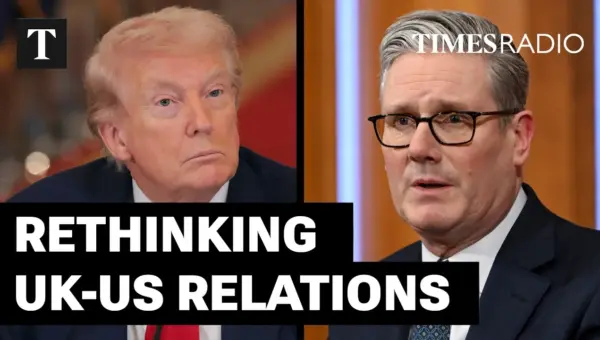
UK Rejects US Military Action Against Iran, Sparks Debate
The UK has refused to allow its bases to be used for US military action against Iran, sparking a national debate on foreign policy. Former minister Clare Short urged the UK to "stop being a poodle" to America, while Foreign Secretary James Cleverly defended the decision as acting in the UK's national interest.
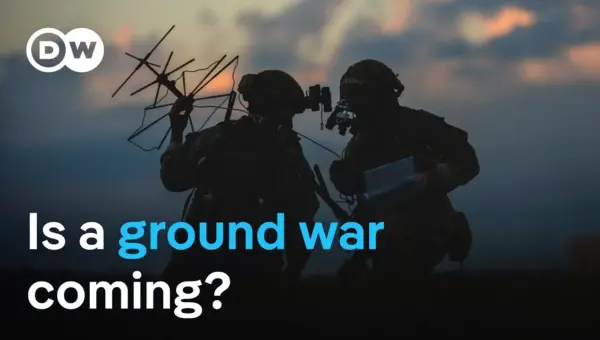
Iran Ground Offensive? US, Israel Weigh Risky Options
Speculation mounts over potential US and Israeli ground operations in Iran following recent air strikes. Analyst Shahin Madaris suggests a full-scale invasion is unlikely due to logistical challenges, but limited special forces missions targeting nuclear materials or leadership are possible, albeit with significant risks to civilians and captured personnel.

Trump Weighs Oil Price Options Amid Iran War Disruptions
President Trump is exploring options to mitigate rising oil prices amidst the escalating conflict with Iran. Following the President's comments suggesting the war is nearing completion, crude oil prices saw a significant drop, though gasoline prices remain elevated for consumers. The White House is prioritizing strategies to stabilize energy markets and address economic concerns.