Iran’s New Leader: Mojtaba Khamenei Takes Power Amid Crisis
Iran's new Supreme Leader, Mojtaba Khamenei, has inherited a nation in crisis following the reported death of his father, Ali Khamenei, in an Israeli strike. Mojtaba, his wife, and mother were also reportedly killed in the same attack, marking the first father-to-son succession in the Islamic Republic's history. His rise is met with international skepticism and internal dissent, raising questions about Iran's future direction.

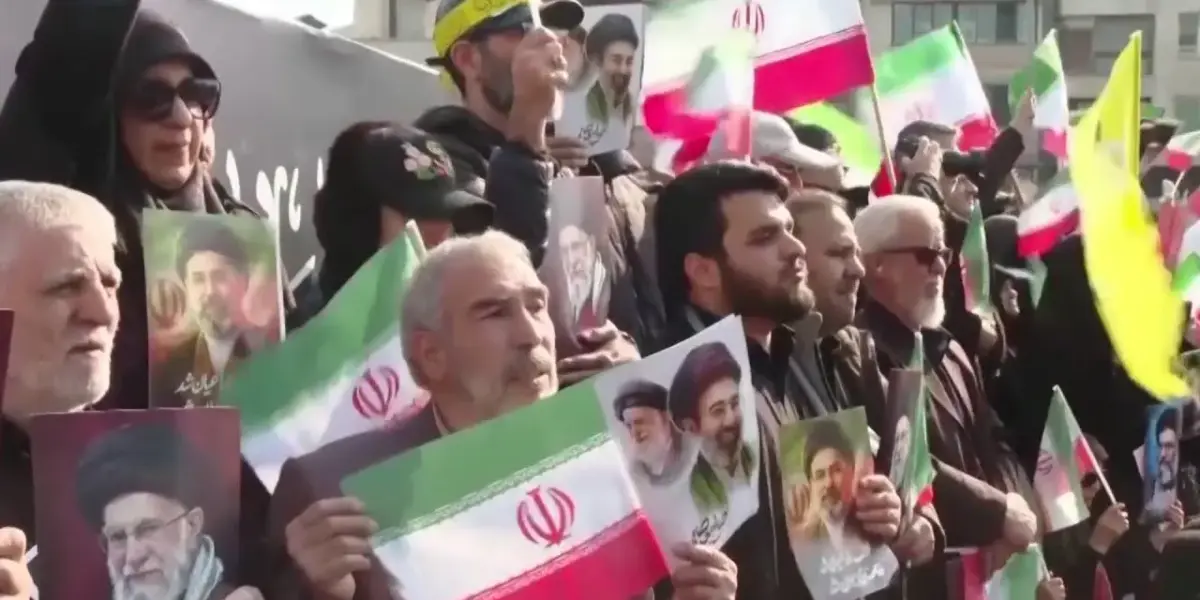
Mojtaba Khamenei Ascends to Supreme Leader Role
Iran has a new Supreme Leader, 56-year-old Mojtaba Khamenei, who inherits a nation grappling with internal turmoil and external threats. His ascension follows the death of his father, former Supreme Leader Ali Khamenei, who was reportedly killed in an Israeli strike during the opening hours of a recent conflict. Iranian state media confirmed that Mojtaba Khamenei, his wife, and mother also died in the same attack, casting a somber shadow over the transition of power.
This marks the first time leadership in the Islamic Republic has passed directly from father to son. Mojtaba Khamenei, who was a child during the 1979 Iranian Revolution, later served in the army during the 1980s Iran-Iraq War. He has since become a significant behind-the-scenes figure within his father’s government.
A Leader Steeped in Ideology and Influence
A 2007 U.S. State Department cable, published by WikiLeaks, described Mojtaba Khamenei as holding “extremist views” and wielding considerable influence within his father’s office. Despite never having held public office, his proximity to the Revolutionary Guard—the elite force tasked with preserving the regime—underscores his potential power. The Revolutionary Guard is known for its dual role in confronting external enemies and suppressing domestic dissent.
One of the few known recordings of Mojtaba Khamenei’s voice reveals a figure deeply entrenched in the regime’s ideology. He is reportedly entering his new role with significant animosity towards the United States and Israel. This ideological stance is likely to shape Iran’s foreign policy and its approach to ongoing regional tensions.
“He’s basically coming into this position with a lot of hatred for the United States and Israel.”
Public Reaction and International Skepticism
The transition has not been met with universal acceptance within Iran. Reports indicate that some citizens are daring to voice dissent, with protests heard in Tehran crying “Death to Mojtaba.” The United States has also expressed skepticism about the new leadership.
A U.S. official stated, “I was disappointed because we think it’s going to lead to just more of the same problem for the country.” When questioned about the possibility of future dealings between Mojtaba Khamenei and President Trump, the official expressed strong doubts: “It is very hard to imagine that he would be able to do business with President Trump. So it would be very unpopular to try to right out of the gate to go and appease the aggressor, from the perspective of Iranian politics.” This sentiment highlights the deep-seated animosity and the unlikelihood of an immediate thaw in U.S.-Iran relations.
Uncertainty Surrounds New Leader’s Public Appearance
As of the latest reports, Mojtaba Khamenei has not yet appeared publicly, and the regime has not released any video footage of him. This silence has fueled speculation about his current condition and the regime’s strategy.
One possibility is that Mojtaba Khamenei may have been wounded in the same strike that claimed the lives of his family members. Unconfirmed reports from Iran suggest he might be physically unable to make a public appearance at this time. Another significant factor contributing to his low profile could be the clear intentions of Israel to pursue him, mirroring the operation that led to his father’s death. The regime may be prioritizing his security, opting to keep him out of the public eye to avoid providing targets for external adversaries.
The Road Ahead for Iran
The ascendance of Mojtaba Khamenei signals a new chapter for Iran, one that begins under immense pressure and with the regime fighting for its survival. The combination of internal dissent, regional instability, and the potential threat from international actors presents a formidable challenge for the new Supreme Leader. His ability to navigate these complex dynamics, consolidate power, and address the grievances of the Iranian people will be critical in determining the future trajectory of the Islamic Republic.
The coming weeks and months will be crucial in observing how Mojtaba Khamenei asserts his authority, whether he maintains his father’s hardline policies, and how the international community responds to this new leadership. The world will be watching closely to see if Iran under Mojtaba Khamenei moves towards further isolation or seeks a different path amidst the ongoing geopolitical shifts.
Source: Who is Iran's new ayatollah? (YouTube)

Related Articles
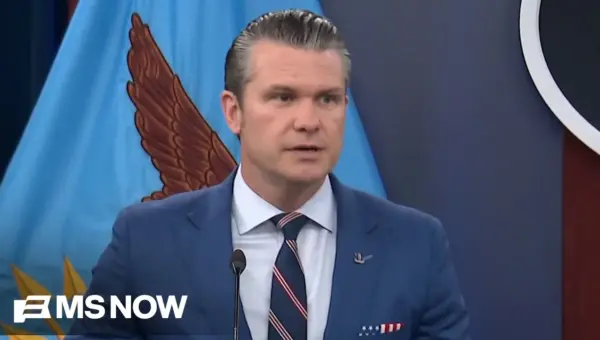
US Escalates ‘Epic Fury’ Strikes Against Iran
The U.S. has intensified Operation Epic Fury with its most significant strikes inside Iran to date, targeting missile stockpiles, naval capabilities, and nuclear ambitions. Officials described the operation as decisive, efficient, and a stark departure from previous prolonged conflicts.

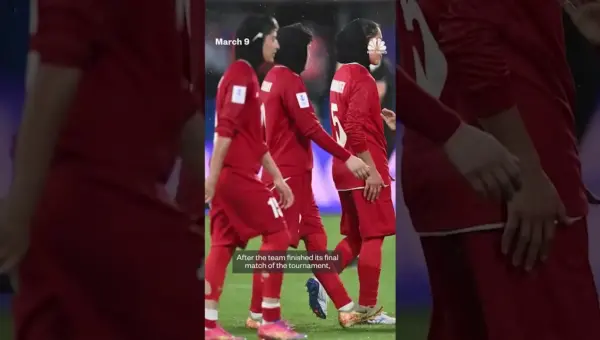
Iran Soccer Players Granted Asylum in Australia After Anthem Protest
Five Iranian women's soccer players have been granted asylum in Australia after a silent protest during their national anthem at a tournament sparked backlash at home. Australian Prime Minister Scott Morrison confirmed the players are in a safe location after receiving humanitarian visas. The move follows international calls for protection, with fears they would face severe consequences if returned to Iran.
Iran Appoints Khamenei’s Son as Supreme Leader
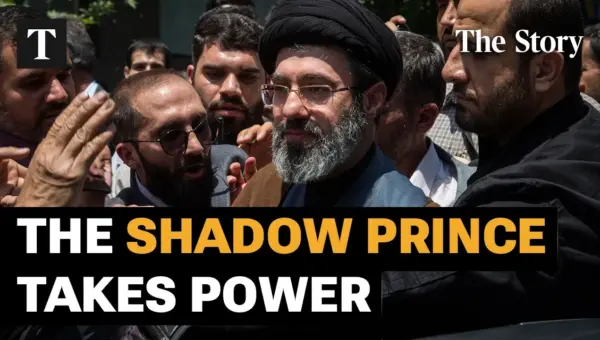
Iran has appointed Mojtaba Khamenei, son of the late Ayatollah Ali Khamenei, as the new Supreme Leader. This decision follows the assassination of his father amidst regional conflict and marks a shift towards security credentials over clerical authority in leadership. The move signals continuity and defiance, presenting complex challenges for international relations and global stability.