Iran’s New Leader Injured Amid Strikes, Secrecy Envelops Succession
Iran's newly appointed Supreme Leader, Mustafa Khomeini, remains out of public view three days after assuming power following his father's death in joint U.S.-Israeli strikes. The unprecedented silence fuels speculation about his condition and leadership, while Iran continues military actions across the Gulf.


Iran’s New Supreme Leader Missing After Strikes, Fuels Speculation
Tehran, Iran – Three days after assuming the mantle of Supreme Leader of Iran, following the death of his father in joint U.S.-Israeli strikes, the whereabouts and condition of Mustafa Khomeini remain shrouded in mystery. With no public statements, videos, or written communications emerging from the 56-year-old successor, a palpable sense of unease and intense speculation has gripped both domestic and international observers. The unprecedented silence from the new leader, just as the nation faces heightened military tensions, raises critical questions about the stability of Iran’s leadership and its future direction.
A Shadowy Succession: Unveiling Mustafa Khomeini
Mustafa Khomeini, the son of the recently deceased Supreme Leader, has largely operated outside the public eye for decades. While he has been a constant presence at his father’s side, serving as a key advisor for at least 20 years, his public profile has been minimal. Whispers from within the Supreme Leader’s office have long indicated that any access to the top leadership invariably involved passing through Khomeini. This close proximity, however, has not translated into public familiarity, leaving many to question the nature of his leadership style and his political leanings.
“You have to be very optimistic to think he’s going to be a voice of reform rather than someone who represents the hard line that the Islamic Republic has taken for quite some time.”
This sentiment, echoed by analysts, suggests that Mustafa Khomeini is unlikely to deviate from the established hardline policies of his father’s regime. The prevailing view is that his ascension, particularly under current duress, was orchestrated to project an image of strength and unwavering resolve in the face of external aggression.
Unusual Silence Amidst Conflict
The absence of any communication from Mustafa Khomeini is highly unusual, especially given the volatile geopolitical climate. This marks only the second transition of supreme leadership in the Islamic Republic’s history, meaning established protocols for such an event are scarce. The bizarre televised ceremony that included a cardboard cutout of Khomeini has only amplified concerns about his current status. His deep concealment, with no confirmation of his well-being or any potential injuries sustained during the initial strikes, is a stark departure from expected leadership conduct.
Adding to the enigma, there has been a notable lack of public pronouncements from Mustafa Khomeini even during the 30-odd years his father held power, a period during which he might have been expected to speak more publicly as the Supreme Leader’s son. One individual who knew Khomeini reportedly described him as “the most dangerous man in the world,” hinting at a potentially formidable and uncompromising figurehead.
Iran’s Military Strategy: Targeting the Gulf
Despite the uncertainty surrounding its new leader, Iran has continued its military operations, launching attacks across the Persian Gulf, even targeting neighboring nations like Oman. This strategy appears to be a calculated effort to exploit perceived vulnerabilities within the region.
The Rationale Behind Gulf Attacks
Iran’s leadership likely views the Gulf countries as strategic targets for several reasons:
- Alignment with the U.S.: Many Gulf nations are staunch allies of the United States, making them a symbolic target in the broader conflict.
- Economic Impact: Attacks on these countries aim to disrupt global oil markets, which are already volatile due to the ongoing conflict, potentially pressuring the U.S. and its allies.
- Host to U.S. Bases: Several Gulf states host significant U.S. military bases, rendering them, in Iran’s view, legitimate targets.
The hope is that by demonstrating the inability of these nations to withstand missile and drone attacks, Iran can sow discord between them and the United States, compelling them to seek a de-escalation or a separate understanding.
White House Restraint on Oil Rhetoric
In contrast to his usual rhetoric in other conflicts, President Biden has remained notably silent on seizing oil assets amidst the escalating tensions. This restraint is reportedly due to advice from White House advisors and some Arab allies who fear that such pronouncements could further destabilize already jittery global markets.
When questioned about the possibility in a recent interview, the President stated his unwillingness to “go there right now.” While this does not preclude future consideration, the current disciplined approach reflects a cautious strategy aimed at mitigating further economic shocks, particularly as oil prices continue their upward trajectory and stock markets experience significant downturns.
Looking Ahead: What to Watch Next
The coming days and weeks will be crucial in determining the trajectory of the current conflict and Iran’s internal stability. All eyes will be on any appearance by Mustafa Khomeini, which would offer vital clues about his health, his leadership style, and his intentions. Simultaneously, the international community will closely monitor Iran’s continued military actions in the Gulf and the potential for further escalation. The White House’s response to market volatility and any shifts in its energy policy will also be a key indicator of the evolving geopolitical landscape.
Source: Iran's new supreme leaders injured in strikes: reports (YouTube)

Related Articles


Trump Addresses Nation Amid Iran Tensions and Economic Concerns
President Trump addressed economic issues in Kentucky while facing scrutiny over a preliminary report suggesting U.S. fault in a deadly strike on an Iranian school. The escalating tensions with Iran have also sent oil prices soaring globally.


Bitcoin Eyes April Rally Amidst Geopolitical Shifts
Bitcoin and crypto markets are closely watching inflation data and geopolitical shifts that could influence an anticipated April rally. Analysts discuss "regime trades" and the importance of self-custody amid market uncertainty.

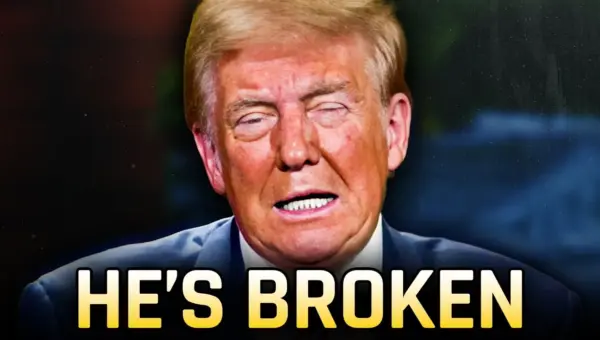
Trump’s Iran Threats Expose Fractured Sanity Over Oil Prices
Donald Trump's aggressive threats against Iran over oil prices reveal a concerning decline in his mental stability under stress. This analysis explores the implications of such rhetoric for global stability and the critical need for cognitive fitness in leadership.