Iran’s Navy, Air Force Decimated; Kharg Island Strike Looms
President Trump has declared Iran's navy and air force decimated, with focus now shifting to a potential seizure of Kharg Island, a key oil export hub. Former advisor KT McFarland suggested direct military action would be a last resort, but acknowledged special forces might be deployed. The conflict's financial costs and the strategic choice between "mowing the grass" or "finishing the job" are also under discussion.

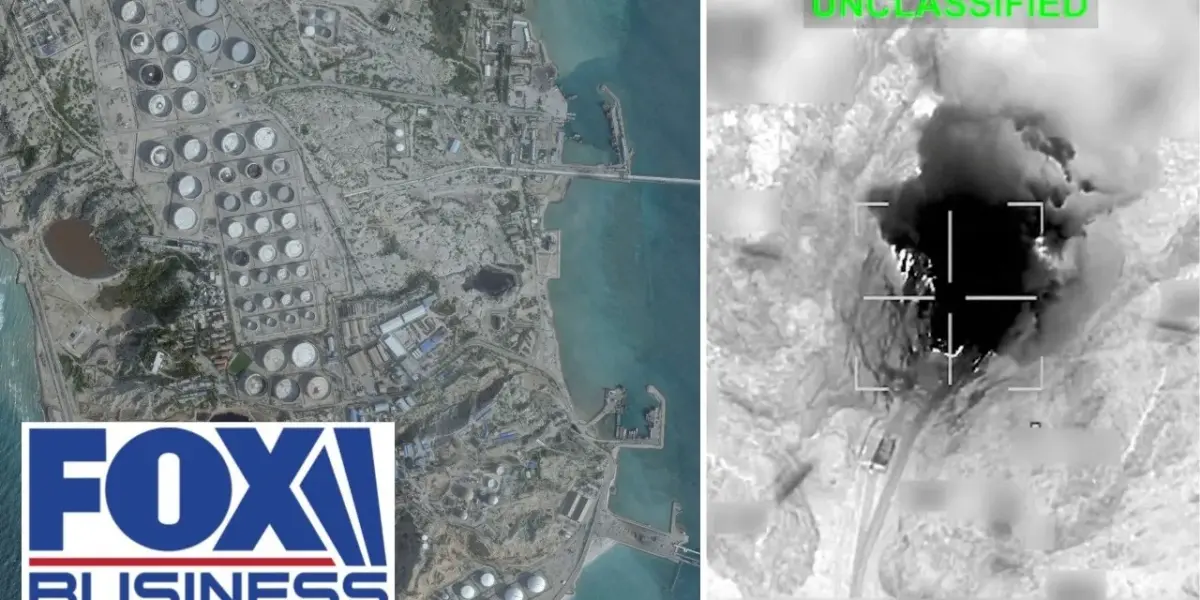
Iran’s Military Capabilities Severely Degraded, Focus Shifts to Kharg Island
President Trump has declared Iran’s military, including its navy and air force, effectively destroyed following recent operations. The nation’s anti-aircraft and radar systems are reportedly gone. This assessment comes as the Strait of Hormuz remains a critical chokepoint for global energy shipments, with countries like China and Japan heavily reliant on its passage for their energy needs. President Trump has criticized NATO allies for not providing sufficient support to secure this vital waterway.
Potential Strike on Kharg Island
According to reports, President Trump is considering a significant military operation: seizing Iran’s Kharg Island. This island is crucial as it handles up to 90% of Iran’s crude oil exports. Such a move would aim to break Iran’s control over shipping through the Strait of Hormuz. The potential deployment of 5,000 Marines and an amphibious warship signals the seriousness of these considerations.
“I’ve known President Trump a long time, and if you go back to even Vietnam, he has been so against boots on the ground, occupation forces, forever wars that we can never seem to win.”
“Boots on the Ground” as a Last Resort
KT McFarland, former Deputy National Security Advisor to President Trump, shared insights into the potential military actions. She emphasized that President Trump has historically been against deploying U.S. troops for prolonged occupations, often referring to them as “forever wars.” McFarland believes that any direct military action on Kharg Island would be a “last resort” for the President, suggesting he is not yet at that stage. However, she noted that special forces might be deployed to locate critical materials, such as highly enriched uranium, or to assess the situation on Kharg Island.
Assessing the Impact of Kharg Island Operations
A military operation on Kharg Island, if undertaken, would ideally be swift and decisive. The island’s infrastructure includes military facilities on its flanks, which have reportedly been targeted and destroyed in precise bombing campaigns. More importantly, Kharg Island is the central hub for Iran’s oil exports, with all pipelines leading to the island for tanker loading. While Iran’s conventional military capabilities are said to be significantly diminished, the potential for retaliation remains. A single well-placed missile along the Strait of Hormuz could still cause substantial damage.
Pentagon Budget and War Costs
The discussion also touched upon the financial implications of ongoing military engagements. A media report suggests the Pentagon is seeking $200 billion, which breaks down to an estimated $1 billion per day. This figure, if accurate, points to a significant burn rate for military operations. The need for increased defense spending is highlighted, not only to address the current situation with Iran but also to counter emerging threats, such as those posed by China and to establish a stronger presence in the Arctic. McFarland suggested that a supplemental budget might be necessary to cover the costs of the Iran conflict, including expended missiles and drones. She anticipates the current situation could be resolved within two months.
“Finishing the Job” vs. “Mowing the Grass”
Addressing the broader objective, the conversation explored two potential paths forward: “mowing the grass” or “finishing the job.” “Mowing the grass” implies setting Iran back significantly, perhaps by a decade, allowing it to rebuild its capabilities over time. “Finishing the job,” conversely, suggests a more complete resolution, especially in light of nuclear threats. The latter approach is presented as making more sense, particularly when considering the long-term security concerns in the Middle East and the global imperative to prevent nuclear proliferation.
Market Impact
The military actions against Iran and the potential seizure of Kharg Island have significant implications for global energy markets. The Strait of Hormuz is a critical transit route for approximately 30% of the world’s seaborne oil. Any disruption, whether through direct conflict or retaliatory measures, could lead to sharp increases in oil prices and heightened volatility in energy markets. Investors in oil and gas, as well as related industries, will be closely monitoring developments. The increased defense spending also suggests opportunities for companies within the aerospace and defense sectors.
What Investors Should Know
Investors should be aware that geopolitical tensions in the Middle East, particularly involving major oil-producing regions, can have a direct and immediate impact on financial markets. The potential disruption to oil supply is a primary concern, which could affect inflation, consumer spending, and corporate profitability across various sectors. Furthermore, increased government defense spending can benefit specific industries, but it also raises questions about fiscal policy and national debt. The focus on “finishing the job” implies a potential for sustained, high-level military engagement, which carries both economic costs and potential geopolitical benefits depending on the outcome.
Source: ‘Boots on the ground’ is a last resort: Former Trump deputy national security advisor (YouTube)

Related Articles

G7 Allies Clash Over Iran War Strategy, Urge Focus on Russia
G7 foreign ministers met in Paris, revealing deep divisions over the U.S. war with Iran. European allies urged the U.S. to pressure Russia, linking its actions to the conflict and fearing support for Ukraine will wane.

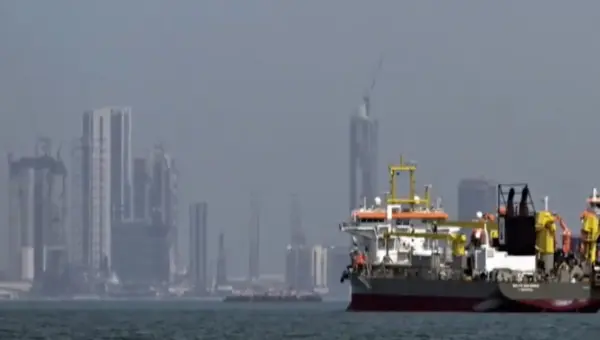
Iran Blocks China Ships, Exposing Beijing’s Weak Grip
Iran's recent decision to block Chinese ships at the Strait of Hormuz is exposing the limits of Beijing's influence in the Middle East. This action is causing delays and cancellations for Chinese manufacturers, turning a perceived geopolitical win into an economic strain.
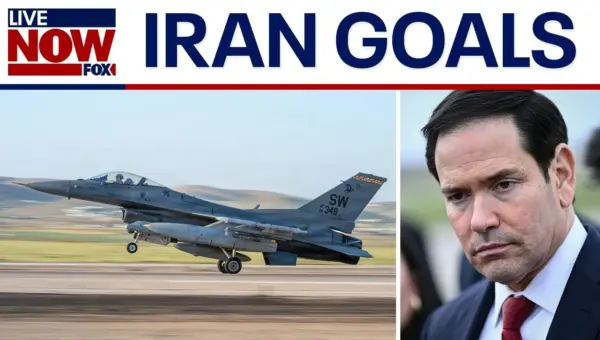
Rubio: US Can Achieve Iran War Goals Without Troops
Senator Marco Rubio outlined a strategy to counter Iran without deploying U.S. ground troops, focusing on weakening the regime and enhancing maritime security. He also criticized Cuba's economic system and expressed concerns about West Bank violence.