Iran’s Missile Barrage Exposes War’s True Cost
Iran's escalating missile attacks reveal a protracted conflict, contrasting sharply with claims of swift victory. The war's heavy human toll, strain on military assets, and complex international involvement underscore the real cost of ongoing hostilities.

Iran’s Missile Barrage Exposes War’s True Cost
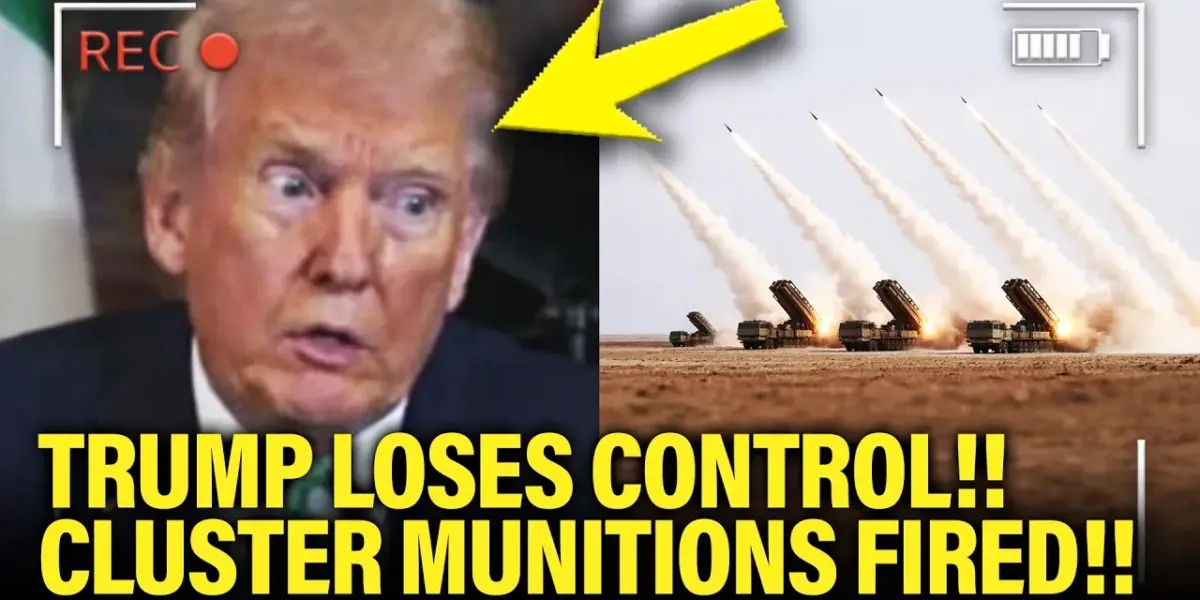
Iran has launched its 61st wave of ballistic missile strikes, targeting Arab nations and areas with American military presence. These attacks, especially the recent use of cluster munitions over Dubai and Tel Aviv, pose a significant challenge to U.S. defense systems like THAAD and Patriot. These cluster bombs spread out, making them harder to intercept and forcing the U.S. to use expensive missiles to counter cheaper Iranian weapons. This ongoing conflict is a stark contrast to former President Trump’s claims of a swift victory.
Trump’s Conflicting Narrative
While Donald Trump has stated that all Iranian ballistic missiles were destroyed and the war was won within 48 hours, the reality on the ground tells a different story. The U.S. finds itself in a prolonged conflict with significant human cost. Thirteen service members have died, and 200 others have been injured, many seriously. The USS Gerald R. Ford, a major aircraft carrier deployed near Iran, has had to return to port for repairs after an extended deployment. Reports indicate a fire on board, initially downplayed, was more severe than reported, damaging living quarters and causing logistical issues. This situation has reportedly led to low morale among the crew.
Diplomatic Divisions and Resignations
Amidst the military actions, diplomatic efforts and internal dissent are also coming to light. Iran’s Foreign Minister has shared articles highlighting resignations from within the Trump administration, including that of Joseph Kent, a former National Counterterrorism Center director. Kent cited the war as unlawful and influenced by Israeli interests, stating he wanted no part of it. This sentiment is echoed by British national security adviser Jonathan Powell, who attended nuclear talks and believed Iran’s proposals were significant enough to prevent a rush to war. Powell and others reportedly felt that American negotiators, specifically Kushner, were overly influenced by Israeli Prime Minister Netanyahu, suggesting a potential push towards conflict.
International Reactions and Alliances
The conflict has also strained international relations. President Trump has faced criticism from foreign leaders, including the President of Ireland, regarding the war’s conduct. He has also expressed skepticism about NATO, suggesting the U.S. could withdraw without congressional approval. This stance has raised concerns about the future of long-standing alliances. Meanwhile, Israeli officials, including Prime Minister Netanyahu, have made public statements urging celebration in Iran following military strikes, a move seen by some as counterproductive propaganda.
Escalating Tensions and Economic Impact
The conflict’s reach extends beyond military engagements. Russia is reportedly providing Iran with advanced drone technology and intelligence, aiming to counter U.S. forces and distract from the conflict in Ukraine. This cooperation, coupled with Trump’s decision to lift sanctions on Russian oil, benefits Russia economically while potentially prolonging the conflict. The economic fallout is also being felt domestically. Rising prices for everyday goods like coffee and ground beef are impacting American consumers. Experts within the administration have acknowledged that while the broader U.S. economy might remain stable, consumers will bear the brunt of these price increases.
The Epstein Files and Political Maneuvering
Adding another layer of complexity, the ongoing Epstein case continues to be a point of political contention. Democrats have pushed for subpoenas related to the investigation, seeking testimony from figures like Pam Bondi. This has led to accusations of political maneuvering and attempts to distract from the war and other domestic issues. Politicians like Lindsey Graham have made statements about military actions, including taking control of specific islands, while also questioning the readiness of potential future leaders.
Why This Matters
This situation highlights a critical disconnect between official narratives and the ground realities of a protracted conflict. The human cost, the strain on military resources, and the potential for wider regional instability are significant. The influence of international actors and the internal political dynamics within the U.S. further complicate the path forward. Understanding these interwoven factors is crucial for assessing the true impact of the conflict and its long-term consequences for American foreign policy and domestic stability.
Implications and Future Outlook
The ongoing military actions, combined with diplomatic friction and economic pressures, suggest a complex and potentially volatile future. The reliance on advanced weaponry, the challenges in defense, and the growing involvement of other global powers like Russia indicate that the conflict could escalate or spread. The administration’s approach, characterized by strong rhetoric and actions that seem to diverge from diplomatic norms, raises questions about the sustainability of U.S. foreign policy and its relationships with allies. Domestically, the economic impact on consumers and the ongoing political debates surrounding the conflict and other sensitive issues like the Epstein files, suggest a period of continued uncertainty and division.
Source: Trump PANICS over SNEAK ATTACK in WAR!!! (YouTube)

Related Articles

Stocks Ignore War Risks, Focus on “Taco Moments”
Stock markets appear to be overlooking the severe supply chain risks stemming from the Iran conflict, focusing instead on potential diplomatic de-escalations. While the S&P 500 shows resilience, bond and commodity markets signal deep concern over disruptions to critical resources like LNG, helium, and fertilizers.

US Strikes Cripple Iran’s Military Might, CENTCOM Reports
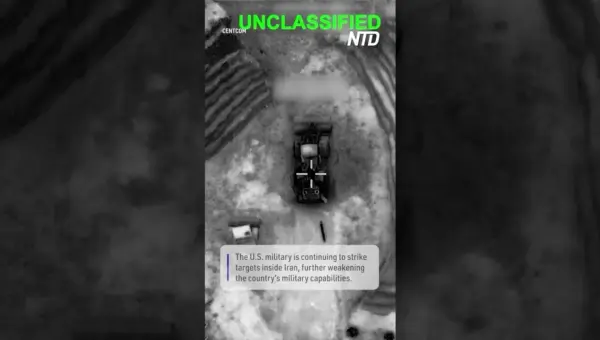
U.S. Central Command reports ongoing strikes inside Iran are significantly weakening its military power. This direct action aims to reshape regional security dynamics, but carries risks of escalation. The long-term impact depends on Iran's response and ability to adapt.

U.S. Iran Tensions Rise Amid Shifting Alliances
Rising tensions between the U.S. and Iran are creating a volatile geopolitical situation. With conflicting signals on de-escalation and potential shifts in alliances like NATO and U.S.-Israel relations, the path forward remains uncertain. The global economy and regional stability hang in the balance.