Iran’s Missile Barrage: Escalation Ignites Regional Firestorm
Iran has launched a significant ballistic missile attack across the Middle East, targeting Bahrain and the UAE with confirmed direct hits on key infrastructure. The escalation, met with U.S. retaliatory strikes, is further complicated by former President Trump's rejection of Iran's potential next leader, signaling a prolonged conflict.

Iran’s Missile Barrage: Escalation Ignites Regional Firestorm
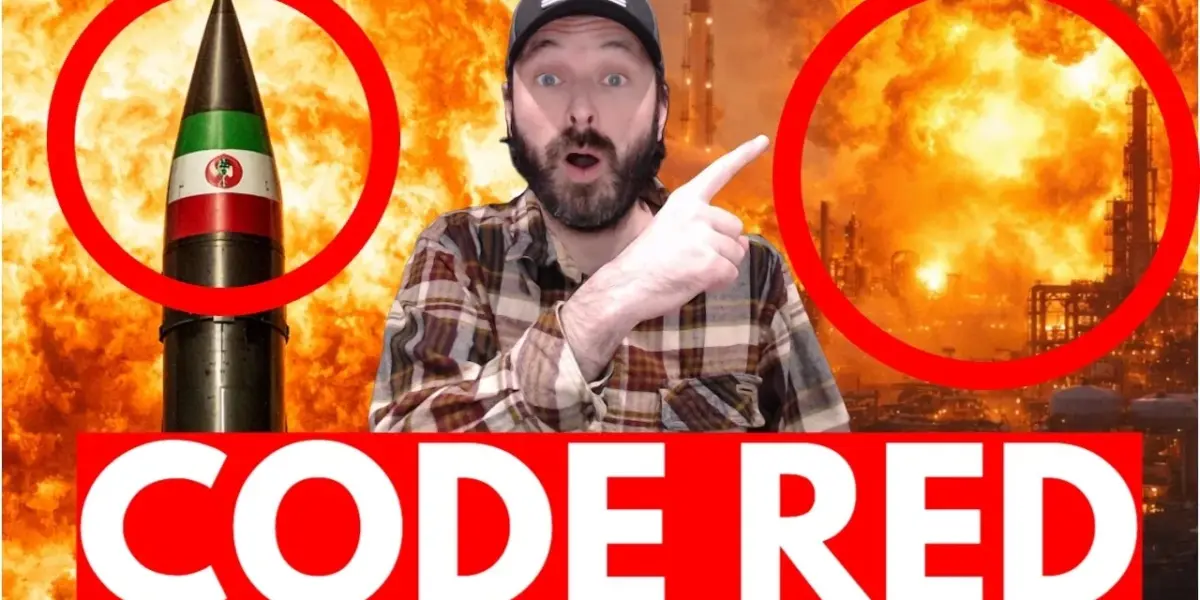
In a dramatic escalation of regional tensions, Iran has unleashed a significant ballistic missile attack across the Middle East, confirmed with direct hits on multiple targets. The strikes, occurring on March 5th, targeted key infrastructure in Bahrain and the United Arab Emirates, with footage emerging of large fires engulfing facilities following the impacts. This aggressive military action signals a deepening conflict with far-reaching implications for regional stability and international relations.
Strikes and Retaliation
Reports indicate that Iranian ballistic missiles directly impacted facilities in Bahrain, including what appears to be a US naval installation. Footage shows massive explosions and widespread fires at the primary refinery for the Bahrain Petroleum Company in Mahammir. The scale of the attack suggests the deployment of missiles carrying substantial warheads, designed to inflict maximum damage.
The assault was not confined to Bahrain. Similar strikes were launched against Abu Dhabi in the United Arab Emirates, prompting interception attempts by air defense systems. The footage captures the terrifying reality of ballistic missiles in flight and the desperate efforts to neutralize them, painting a grim picture of the ongoing conflict.
In response to Iran’s offensive, the United States has launched significant retaliatory air strikes. These operations have targeted underground Iranian missile facilities, described as “bomb hardened bunkers” where Iran reportedly stores its ballistic missiles. American B-52 Stratofortresses, a platform with a long history of involvement in major conflicts, have been deployed to strike these hardened sites and command and control posts. Central Command (CENTCOM) has released footage showcasing these powerful air strikes, emphasizing American air superiority.
Geopolitical Undercurrents: The Succession Question
Adding a critical layer to the unfolding crisis is former President Donald Trump’s assertion regarding Iran’s potential next leader. Trump has publicly stated that the likely successor to the current Iranian leadership, identified as Moshaba Humeni, son of Ayatollah Ali Humeni, is “unacceptable.” He has further declared his intention to be personally involved in selecting Iran’s next leader, drawing a parallel to his involvement in Venezuelan politics. Trump’s stance indicates a refusal to accept a leader who would continue the current regime’s policies, directly linking the ongoing conflict to the future leadership of Iran and suggesting a prolonged period of hostilities.
This intervention in Iran’s internal succession process, coupled with the military actions, underscores a complex geopolitical dynamic. Trump’s position implies that the conflict is not merely about current regional disputes but also about shaping the future political landscape of Iran. His rejection of the potential successor signals a clear intent to influence Iran’s direction, potentially prolonging the conflict until his conditions for a new leadership are met.
Historical Context and Escalation Patterns
The current missile exchanges are part of a broader pattern of escalating tensions between Iran and its regional adversaries, often involving the United States. For decades, Iran has developed and deployed ballistic missile technology, viewing it as a crucial component of its defense strategy and regional influence. These capabilities have been a consistent source of concern for the US and its allies in the Middle East, leading to various diplomatic efforts and military responses.
The use of ballistic missiles in this recent wave of attacks represents a significant escalation from previous skirmishes. While proxy conflicts and limited strikes have been common, large-scale, direct ballistic missile assaults on sovereign nations and their critical infrastructure are indicative of a shift towards more overt and potentially destabilizing warfare. The targeting of oil refineries and potential military installations suggests a deliberate strategy to inflict economic and strategic damage.
Why This Matters
This series of events is critical for several reasons. Firstly, it signifies a dangerous escalation in direct military confrontation in a volatile region. The confirmed direct hits and retaliatory strikes demonstrate a willingness by both sides to engage in direct combat, increasing the risk of a wider regional conflict. The potential for miscalculation or accidental escalation is exceptionally high.
Secondly, the involvement of a former US President in dictating terms for Iran’s leadership introduces an unpredictable element into international diplomacy. This stance could further complicate efforts to de-escalate tensions and could embolden certain factions within Iran or its opposition. It also raises questions about the established norms of international relations and the role of external powers in internal leadership matters.
Thirdly, the economic implications are substantial. Attacks on oil infrastructure, as seen in Bahrain, can disrupt global energy markets, leading to price volatility and supply chain issues. The ongoing conflict also diverts resources that could otherwise be used for development and stability.
Implications, Trends, and Future Outlook
The immediate implication is that the conflict is far from over. Iran’s continued military action, coupled with Trump’s firm stance on leadership, suggests that the cycle of strikes and counter-strikes will likely persist. The deployment of B-52 bombers and the targeting of underground missile sites indicate a robust US response, aiming to degrade Iran’s missile capabilities.
A concerning trend is the increasing reliance on ballistic missile technology by regional actors. This technology is inherently destabilizing, capable of reaching distant targets with significant destructive power. The proliferation of such weapons and the willingness to use them in direct attacks pose a persistent threat to regional security.
Looking ahead, the situation remains precarious. The potential for a broader regional war is a significant concern, especially if other actors are drawn into the conflict. Diplomatic channels appear strained, particularly with the outspoken intervention from a prominent political figure like Trump. The international community faces the challenge of managing this escalating crisis, preventing further bloodshed, and finding a path toward de-escalation, all while navigating the complex geopolitical dynamics at play.
Source: Iran Launches BRUTAL Missile Attack – DIRECT HITS Confirmed (YouTube)

Related Articles
Iran Closes Strait of Hormuz, Global Oil Flow Halts
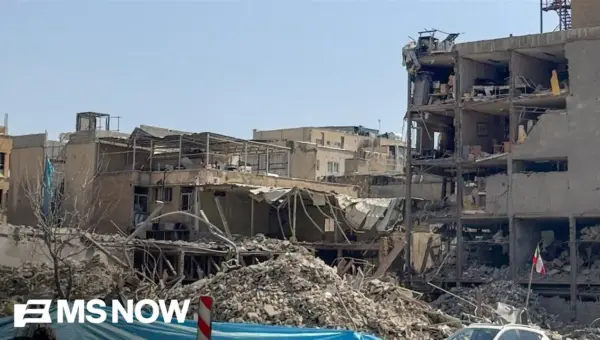
Iran has effectively closed the Strait of Hormuz, halting global oil and gas shipments and causing a massive buildup of over 200 vessels. The blockade, coupled with ongoing attacks on shipping, is sending shockwaves through global energy markets. The conflict's implications are expanding beyond regional military concerns, with potential global economic ramifications.

Trump Vows to Influence Iran’s Next Leader Selection
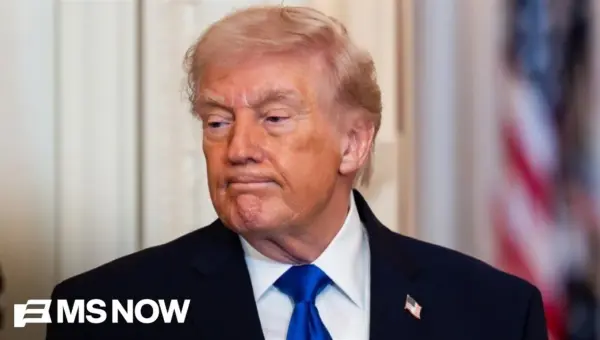
President Donald Trump has declared his intention to be actively involved in selecting Iran's next leader, a move signaling a significant escalation of US foreign policy in the Middle East. This unprecedented assertion could dramatically alter regional dynamics and international relations.


Senator Slams $1B Daily War Cost, Demands Clear Objectives
Senator Patty Murray has sharply criticized the U.S. war effort, revealing it costs $1 billion daily with no clear objectives or congressional approval. She highlighted the financial strain and the neglected responsibility to veterans, deeming the situation "appalling."