Iran’s Missile Barrage Dwindles: A Tactical Win, But War’s Shadow Lengthens
An 86% drop in Iranian missile launches marks a tactical win, but the war's expansion and increasing drone warfare signal a more complex and dangerous future. The conflict's human cost and the debate over war powers loom large.


Iran’s Missile Barrage Dwindles: A Tactical Win, But War’s Shadow Lengthens
In a significant development within the ongoing conflict, the Pentagon has reported an 86% reduction in Iranian missile launches since the war’s commencement. This dramatic decrease, coupled with Israeli claims of destroying over 300 Iranian launchers in recent days, suggests a notable success in degrading Iran’s ballistic missile capabilities. However, as the conflict’s geographical scope widens and strategic complexities deepen, this tactical victory must be viewed within a broader, more precarious geopolitical landscape.
Shifting Tactics: From Missiles to Drones
The shift in Iran’s offensive strategy is palpable. While ballistic missile launches have plummeted, the deployment of drones has notably increased. This transition is attributed to the success of combined US and Israeli forces in targeting Iran’s ballistic missile infrastructure. The strategy, often described as targeting the ‘archer instead of the arrow,’ focuses on degrading the platforms from which munitions are launched. Mobile launchers, once a critical component of Iran’s arsenal, are now reportedly under heavy pressure, significantly curtailing their ability to project force via missiles.
Drones, while potentially less destructive per unit than ballistic missiles, offer greater flexibility and agility. Their lower cost also presents a significant challenge. As one analysis points out, the cost-effectiveness of intercepting these drones with expensive anti-missile systems like Patriots is questionable, necessitating the use of cheaper, though still costly, alternatives like MANPADS. This dynamic has led to an intriguing development: Ukraine, itself a victim of Iranian-supplied drones, has reportedly offered to share its expertise and potentially deploy counter-drone teams to assist allies in the Middle East. This offer underscores the global nature of the drone threat and the potential for cross-conflict learning and cooperation.
The Expanding Battlefield: A Wider Conflict Emerges
While the missile threat from Iran may be diminishing, the war’s overall expansion is a cause for significant concern. Israeli ground forces have entered southern Lebanon, signaling an intensified effort to counter Hezbollah. Simultaneously, Iranian drones have impacted Azerbaijan, marking a new front in the aerial conflict. These developments suggest a broader, more interconnected regional struggle, drawing in additional actors and increasing the potential for miscalculation and escalation.
The strike on a school in Manab, southern Iran, early in the conflict, serves as a stark reminder of the human cost of this war. While investigations are ongoing and definitive attribution remains complex, the incident highlights the potential for significant civilian casualties. The proximity of the school to IRGC barracks complicates the narrative, but initial reports suggest no military use of the school itself. The subsequent proliferation of misinformation surrounding the event underscores the challenges of information warfare in modern conflicts. The long-term implications of such incidents, particularly in shaping public opinion and potentially fueling anti-war sentiment, cannot be overstated.
Historical Parallels and Intelligence Assessments
The current situation draws parallels with early assessments of Russia’s capabilities during the invasion of Ukraine. In 2022, Western officials suggested Russia was running out of precision munitions, a prediction that proved premature. Despite significant attrition, Russia has continued to launch large-scale drone and missile attacks. This historical context serves as a cautionary tale regarding the challenges of accurately assessing an adversary’s long-term military-industrial capacity, particularly early in a conflict. While Iranian facilities may be more vulnerable to direct strikes than Russia’s were initially, the potential for sustained or replenished offensive capabilities remains a critical intelligence consideration.
Congressional Debate and the Future of War Powers
Domestically, the conflict has reignited debates over war powers. A recent Senate resolution to require congressional approval for further military action in Iran failed to advance, largely along party lines. This vote reflects a long-standing trend of Congress delegating significant war-making authority to the executive branch. The argument that such a vote during active combat would undermine support for troops, particularly when the President’s party holds a majority, suggests that reclaiming this authority during large-scale operations is a formidable challenge.
The implications of this congressional inaction are significant. With indications that the conflict could extend for months, the lack of robust legislative oversight raises questions about long-term strategic direction and public accountability. The potential for escalating casualties and the dissemination of graphic imagery, whether accurate or fabricated, could profoundly impact American public opinion and create pressure for de-escalation, irrespective of the executive branch’s strategic objectives.
Why This Matters
The reported reduction in Iranian missile launches represents a tactical success, potentially mitigating an immediate threat. However, the war’s expansion into new territories, the increasing reliance on drones, and the potential for prolonged engagement create a more complex and dangerous geopolitical environment. The incident involving the school in Manab serves as a critical test case for how the US and its allies manage civilian casualties and information warfare, with significant implications for domestic support and international perception. The ongoing debate over war powers in the US highlights a structural challenge in democratic oversight of extended military engagements. Ultimately, while specific Iranian capabilities may be degraded, the broader conflict’s trajectory remains uncertain and fraught with peril.
Implications, Trends, and Future Outlook
The trend towards drone warfare, highlighted by both Iran’s strategy and Ukraine’s counter-drone expertise, is likely to continue. The cost-effectiveness of drones and the difficulty in their interception will shape future air defense strategies. The expansion of the conflict beyond its initial theaters suggests a potential for a wider regional war, which could have devastating humanitarian and economic consequences. The effectiveness of the ‘archer’ strategy against Iran’s missile infrastructure will be a key indicator of future military operations. Furthermore, the interplay between battlefield events, public perception, and political decision-making, particularly in the United States, will be crucial in determining the war’s ultimate duration and outcome.
Historical Context and Background
The current conflict unfolds against a backdrop of decades of regional tension, proxy conflicts, and evolving military technologies. Iran’s development of ballistic missile and drone programs has been a significant factor in regional security dynamics, prompting a robust response from the United States and Israel. The lessons learned from previous conflicts, such as the war in Ukraine and the Gaza conflict, are being applied, consciously or unconsciously, to the current operations, influencing strategic choices and operational doctrines.
Source: Major Reduction in Iran's Missile Launches (YouTube)

Related Articles
Iraq Vet Slams “Foolish War” as Congress Debates Hostilities
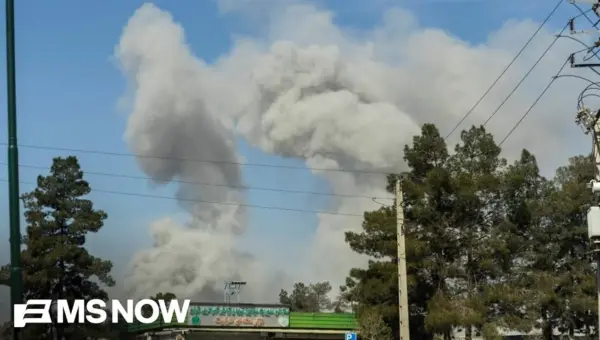
Iraq War veteran and Congressman Chris Deluzio is demanding an immediate halt to the current hostilities, labeling the conflict a "foolish war." He criticizes the White House's handling of casualties and urges Congress to reclaim its constitutional authority over decisions of war.

House Votes on Trump’s War Powers Amid Iran Tensions
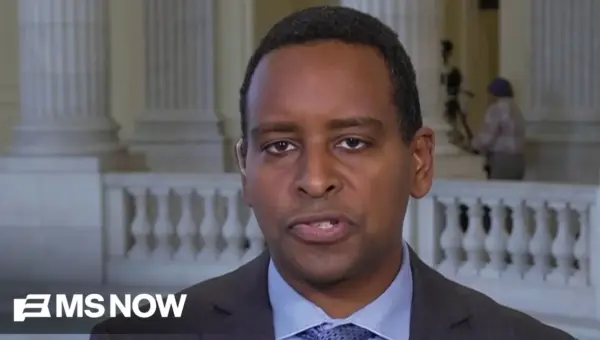
The House of Representatives is poised to vote on a resolution limiting President Trump's war powers concerning Iran. Congressman Joe Neguse highlighted constitutional concerns and contrasted current actions with past presidential military engagements. The interview also addressed allegations of misused taxpayer funds in a DHS contract.

Congress Sidesteps War Powers: A Constitutional Crisis Unfolds
The Senate's recent vote against a War Powers Resolution to block military action against Iran has reignited debate over Congress's constitutional authority. While some defend the executive's actions, critics argue it undermines democratic oversight and risks prolonged, undeclared wars.