Iran’s Missile Barrage: A Nation’s Fierce Response
Exclusive footage reveals a terrifying ballistic missile strike on U.S. positions in the Middle East. Simultaneously, Iran's leadership faces targeted strikes, while regional allies and adversaries engage in their own retaliatory actions, escalating tensions across the Levant.


Iran’s Missile Barrage: A Nation’s Fierce Response
On April 4th, the Middle East saw intense military action. Exclusive footage revealed a ballistic missile attack targeting U.S. positions. This strike, aimed at a specific base, brought air raid sirens and a terrifying display of defensive measures failing. Interceptors were launched, but sadly, they missed their mark. The video shows a massive explosion, a stark reminder of the danger faced by troops in the region. While thankfully no casualties were reported, the event was deeply unsettling.
Wider Conflict Unfolds
The conflict is not confined to one area. Hezbollah launched rockets into Israel, causing damage and destruction, with broken glass and fire visible in the aftermath. Simultaneously, Bahrain experienced missile attacks, with sirens blaring across the nation. This is not the first time Bahrain has been targeted; its location is significant as it houses the U.S. Navy’s Fifth Fleet headquarters, which sustained hits earlier in the conflict.
Kuwait’s air defenses were also active, intercepting missiles and drones. These events highlight Iran’s continued ability to launch attacks, a capability that raises serious questions. Despite earlier estimates of 2,500 ballistic missiles, intelligence suggests Iran still possesses around a thousand. The effectiveness of these missiles depends on the number of launchers available, but the persistent threat remains clear.
The rate of these attacks has decreased since the initial days of the war. However, the footage of a recent Iranian ballistic missile strike proves that the danger is far from over. The ability to launch these weapons means the conflict continues to be a serious concern.
Leadership Targeted
In a significant development, President Trump announced that a massive strike had eliminated many senior military leaders within Iran. He shared this news on True Social, detailing huge explosions and bomb impacts. This action is part of a broader strategy to target Iranian leadership, including IRGC and government officials. The goal is to degrade Iran’s ability to wage war by removing key figures from the battlefield.
Escalation and Countermeasures
The Israeli Defense Forces (IDF) responded with strikes on Hezbollah positions in Lebanon, causing massive explosions. Meanwhile, a new potential point of escalation emerged. Following an attack on a prochemical plant, Iran has stated its intention to retaliate by targeting a similar plant in Tel Aviv.
In response to broader regional tensions, NATO countries are preparing to deploy mine sweepers to the Strait of Hormuz. This move aims to ensure the free passage of commercial shipping through this vital waterway. The strait has been a point of concern for international trade due to ongoing hostilities.
Search for Missing Officer
Adding to the tension is the ongoing search for a missing weapons officer from a downed F-15 aircraft. While the pilot was recovered, the weapons officer remains missing. Local forces are conducting extensive searches, armed with machine guns, in hopes of finding and extracting the officer quickly. This situation underscores the severity of the ongoing military operations and the urgent need for his safe return.
Why This Matters
The events described paint a picture of a complex and dangerous conflict. The repeated missile and rocket attacks on U.S. interests, Israel, Bahrain, and Kuwait show Iran’s persistent capability and willingness to strike. The targeting of senior Iranian military leaders by the U.S. signifies an escalation aimed at crippling Iran’s command structure.
The potential Iranian retaliation against a prochemical plant in Tel Aviv, if carried out, would represent a severe escalation with potentially catastrophic humanitarian consequences. The deployment of mine sweepers to the Strait of Hormuz signals international efforts to prevent further disruption to global trade routes, highlighting the far-reaching economic impacts of this conflict.
The ongoing search for the missing weapons officer is a human element within the larger geopolitical struggle. It emphasizes the personal risks faced by military personnel and the urgent need for their safe recovery. The situation demands careful monitoring as diplomatic and military actions continue to unfold.
Implications and Future Outlook
The current situation suggests a prolonged period of heightened tension in the Middle East. Iran’s continued missile capability, even if reduced in rate, means the threat of further attacks remains. The U.S. and its allies are likely to continue their strategy of targeting Iranian leadership to degrade its military capacity.
The international community faces the challenge of managing de-escalation while ensuring freedom of navigation and preventing humanitarian disasters. The response to a potential attack on civilian infrastructure like a prochemical plant will be critical in shaping future actions and alliances.
The missing officer’s fate will also be a significant factor, influencing public opinion and potentially military responses. The coming weeks will likely see continued military operations, diplomatic maneuvering, and a focus on preventing the conflict from spreading further.
Source: Iran UNLEASHES Terrifying Missile Strike – Military Leaders WIPED OUT (YouTube)

Related Articles

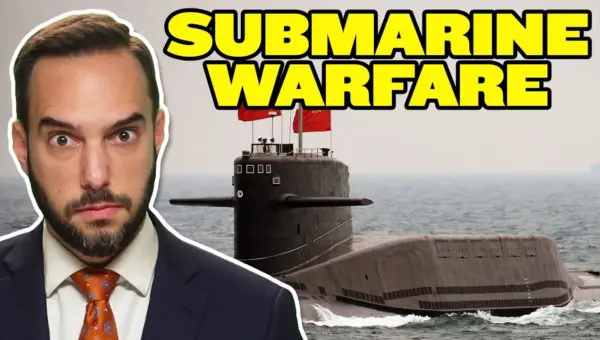
China Maps Seabed, Eyes Hawaii in Naval Power Play
China's extensive seabed mapping in the Pacific, particularly around strategic areas like Guam and Hawaii, is raising concerns about its preparation for submarine warfare. This effort, often disguised as scientific research, aims to enhance China's naval capabilities and challenge US dominance in the region.
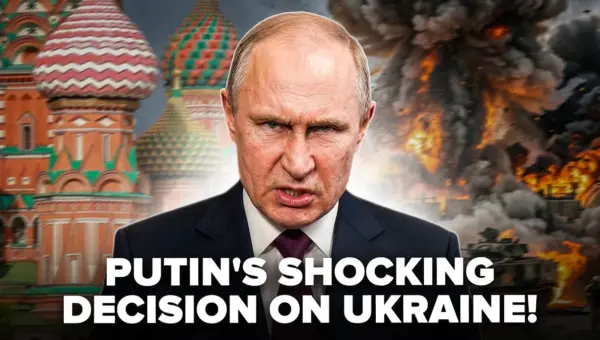
Russia Faces Last-Ditch Offensive, Internal Cracks
Russia may be launching a final major offensive in Ukraine as it faces mounting internal pressures. Analysts suggest this push is a last resort before significant manpower and financial issues arise. Meanwhile, increasing domestic information control and official criticism highlight growing cracks within the Russian establishment.


Trump Threatens Iran, Shaking Global Stability
Former President Trump's aggressive Easter Sunday warning to Iran has ignited global concerns, highlighting a volatile intersection of politics, religion, and foreign policy. The analysis explores the motivations behind such rhetoric, the deep divisions within American society, and the potential for severe economic and geopolitical repercussions worldwide.