Iran’s Minefield Creates Naval Nightmare
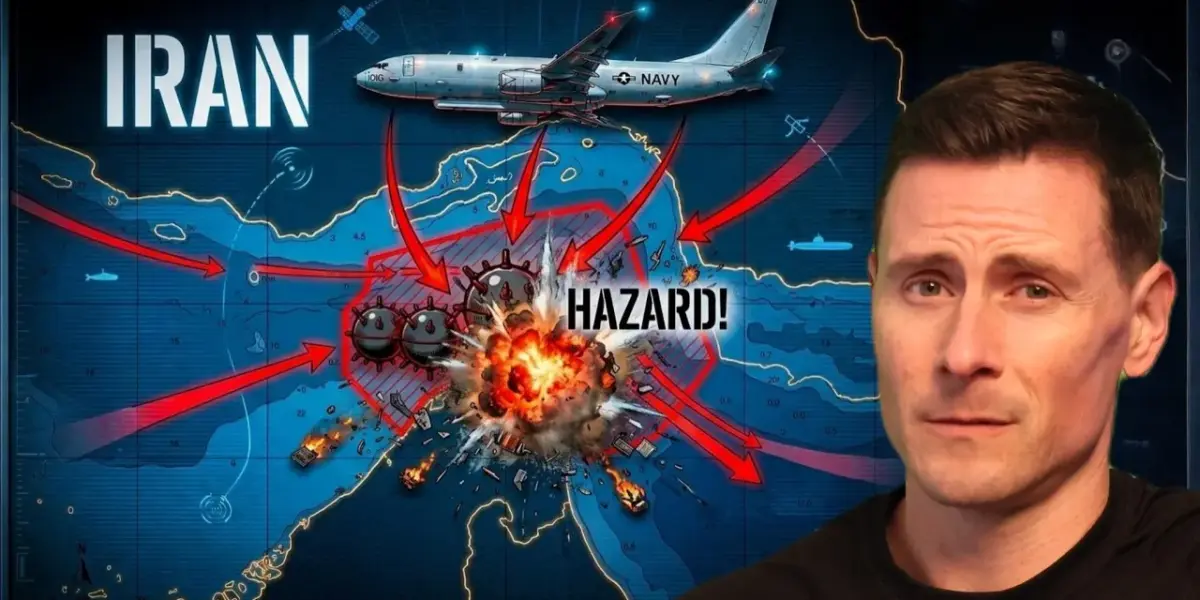
Iran's haphazard mine-laying in the Strait of Hormuz has created a drifting, uncleared minefield, posing a severe risk to global shipping. The U.S. is preparing a major demining operation using advanced underwater drones and maritime patrol aircraft to clear the vital waterway.

Iran’s Minefield Creates Naval Nightmare in Strait of Hormuz
High-level talks between the U.S. and Iran aimed at de-escalating tensions have begun in Islamabad, Pakistan. However, a significant challenge looms over these negotiations: Iran’s earlier, poorly executed mine-laying operation in the Strait of Hormuz. This action has created a vast, uncleared minefield, posing a severe risk to global shipping and complicating efforts to reopen the vital waterway.
A Drifting, Unmapped Danger
The problem stems from Iran’s haphazard approach to mining the strait. According to U.S. officials, some mine locations were never recorded, while others were placed in ways that allowed them to drift with ocean currents. This has resulted in a dangerous, sprawling minefield, estimated to be roughly 52 kilometers long and 40 kilometers wide. This area is now largely off-limits to commercial traffic, disrupting global trade, particularly oil shipments.
To monitor this hazardous zone, the U.S. is deploying P-8 Poseidon maritime patrol aircraft. These aircraft provide wide-area surveillance from high altitudes, using advanced radar and sensors to detect mines in real-time. This aerial reconnaissance is crucial for mapping the minefield and guiding clearance operations.
U.S. Responds with Advanced Technology
The U.S. military is preparing what could be one of the largest demining operations in recent history. Advanced underwater drones are expected to play a key role. The extra-large ‘Manta Ray’ Unmanned Underwater Vehicle (UUV) is designed for long-duration missions, persistent scanning, and classification of threats in deep water. These UUVs can operate undetected for extended periods, conducting detailed seabed operations.
The stealthy ‘Lamprey’ multi-mission autonomous underwater vehicle is another critical asset. It can be deployed from host ships or submarines, loiter unnoticed, and perform seabed operations. This technology offers a way to control the Strait of Hormuz from beneath the water, even without a permanent base in the region.
In addition to these advanced UUVs, U.S. Navy Independence-class Littoral Combat Ships (LCS) are equipped with towed sonar arrays like the AQS-20 for high-resolution mine hunting. Unmanned surface vessels will be used for influence sweeping, designed to trigger or neutralize certain types of mines safely. MH-60 helicopters, armed with laser detection and neutralization systems, will provide precise aerial support.
Strategic Implications
Iran’s mine-laying operation, intended to exert control, has backfired. The uncleared mines now threaten Iran’s own maritime security and create a significant diplomatic and logistical challenge. The U.S. possesses the necessary expertise and technology to clear the mines, a capability Iran lacks. This situation places the U.S. in a strong strategic position, potentially requiring Iran to seek U.S. assistance to reopen the strait.
The current talks in Pakistan aim to find a diplomatic solution. However, the U.S. is prepared for military action should negotiations fail. The mine-clearing operation itself is a complex, potentially lengthy process that will highlight American technological superiority in mine countermeasures. U.S. naval assets will likely face layered defenses if Iran attempts to disrupt the clearance efforts.
Iran’s parliamentary speaker has linked the talks to Israel’s actions in Lebanon, while the foreign ministry demands sanctions relief. This stance suggests Iran is seeking concessions while maintaining a defensive posture. The situation underscores the delicate balance between diplomacy and the potential for renewed conflict in the region.
Historical Parallels
The strategic importance of the Strait of Hormuz has been a recurring theme in international relations. Its narrow passage controls a significant portion of the world’s oil supply, making any disruption a global economic concern. Throughout history, naval powers have sought to maintain freedom of navigation in such vital chokepoints. The current situation echoes past instances where regional powers have used asymmetric tactics, like mine warfare, to challenge established maritime dominance.
The ‘Terron Toll Booth’
Iran has reportedly directed commercial traffic closer to its coastline, near Lorac Island. Critics have dubbed this area the ‘Terron Toll Booth.’ This maneuver places ships in closer proximity to Iranian shores, potentially making them easier targets if hostilities resume. It also allows Iran to exert greater influence over shipping movements, leveraging its remaining assets for harassment or potential collection of tolls.
The U.S. strategy focuses on securing safe passage through systematic surveys, UUV deployment, and neutralization of threats. The P-8 Poseidon acts as the ‘quarterback of the skies,’ coordinating information flow to various assets. This integrated approach aims to provide seabed intelligence and disruption support, ensuring the strait remains open for global commerce.
Despite the ongoing diplomatic efforts, the potential for conflict remains. The success of the talks hinges on finding common ground, but the immediate focus for the U.S. Navy is the methodical and professional clearing of the minefield. This operation will demonstrate America’s unmatched capabilities in mine countermeasures, a critical factor in maintaining stability in this vital global waterway.
Source: You WON'T BELIEVE What Iran Did To The Strait of Hormuz (YouTube)

Related Articles

Trump Attacks Allies, Then Begs Them for Help
Donald Trump is reportedly publicly attacking NATO and European allies while privately begging them for help with the Iran situation. This conflicting approach raises questions about trust and the effectiveness of international diplomacy. Allies are reportedly considering their own solutions rather than caving to demands.


Iran Seeks Vance as US Envoy Amid Shifting War Aims
New peace talks are underway, but Iran remains skeptical due to past U.S. actions. Analysts suggest U.S. war aims lack clarity, complicating negotiations. Iran has reportedly requested J.D. Vance's presence, viewing him as a war skeptic.
US Warship Tests Iran’s Resolve in Key Strait
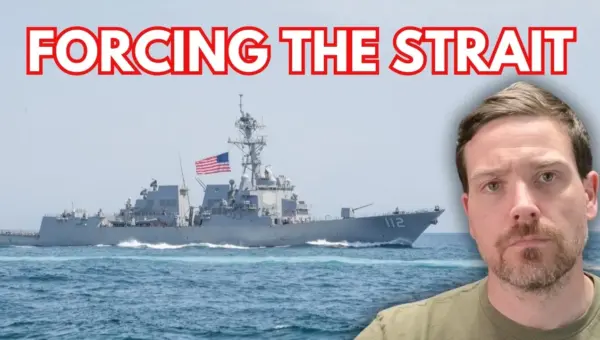
A U.S. Navy warship's uncoordinated transit through the Strait of Hormuz is seen as a U.S. display of strength amid ongoing Iran-U.S. talks. Iran claims the ship was forced back, while U.S. officials assert freedom of navigation. This event, alongside Iran's list of non-negotiable demands, signals a complex negotiation landscape with high stakes for regional stability.