Iran’s Mine Threat: Strait of Hormuz Shipping Faces New Danger
Iran's threat to lay mines in the Strait of Hormuz escalates regional tensions, following recent attacks on commercial shipping. Analysts believe the tactic aims to spread conflict risk, but outright closure remains unlikely due to economic implications for Iran. Seafarer safety is paramount as traffic through the vital strait plummets.

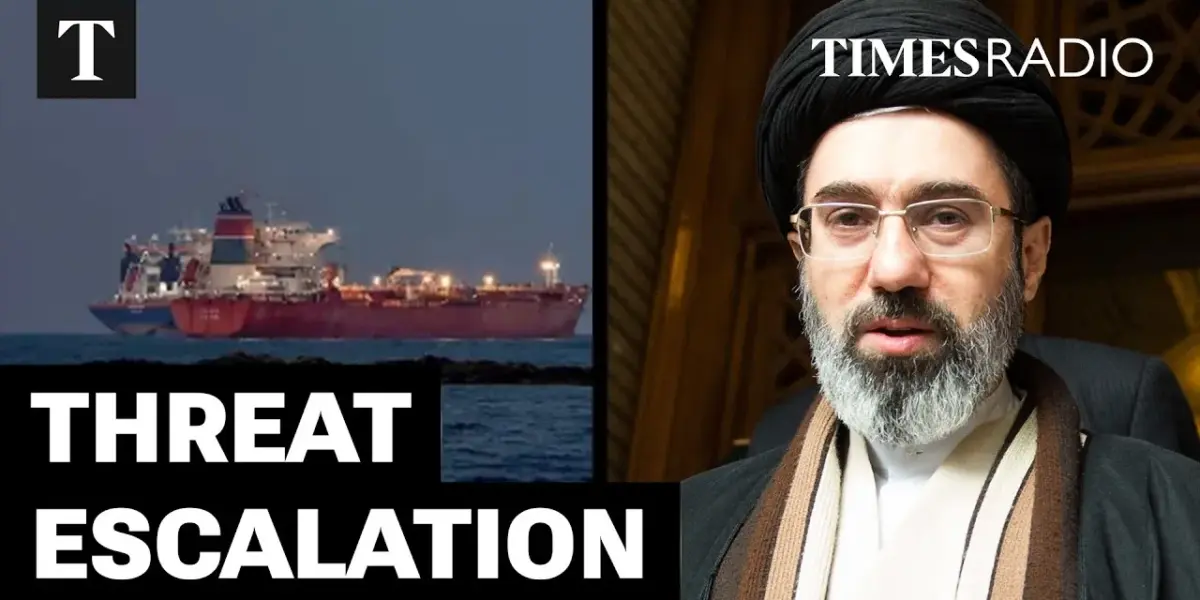
Strait of Hormuz Under Threat as Iran Escalates Tensions with Mine Warfare Capabilities
The vital Strait of Hormuz, a critical global oil shipping lane, is facing heightened danger as Iran reportedly escalates its strategy by threatening to deploy naval mines. This development comes amidst a backdrop of recent attacks on commercial vessels in the region, raising significant concerns about international maritime security and the potential for global economic disruption.
Recent Attacks and Civilian Impact
In the past 24 hours alone, three vessels – a bulk carrier, a container vessel, and a cargo vessel – have been struck in the Strait of Hormuz and the Persian Gulf. While reports indicate no casualties thus far, the attacks are described as indiscriminate, continuing a pattern observed over the last eleven days since the commencement of regional conflict. Peter, Director of Policy at the UK Chamber of Shipping and a former Royal Navy officer, highlighted the harrowing situation for seafarers:
“From the Chamber’s perspective, we feel very strongly about the seafarers that are stuck on board those vessels in the Persian Gulf, unable to be repatriated, unable to have crew changes, unable to sail, and very worried about what’s going on at the moment, as you might imagine.”
The attacks have predominantly targeted the cargo areas of ships, a pattern consistent with previous incidents in the Red Sea, thus avoiding direct harm to crews. However, the psychological toll and the logistical nightmare for those onboard remain significant.
Iran’s Mine Capability and Strategic Intent
While definitive proof of mines being laid is not yet available, open-source intelligence confirms Iran possesses a mine-laying capability, with sources indicating these mines may originate from partners like Russia. However, these are not believed to be sophisticated, limiting Iran’s ability to selectively target vessels. Peter elaborated on the likely strategic implications:
“We don’t believe those mines are particularly sophisticated. So that it isn’t going to be a situation where they can lay mines, allow the vessels they want to come through the straits and then activate the mines for other vessels. It’s far more likely the type of mine threat they have is more old-fashioned.”
The strategic calculus for Iran appears to involve spreading the risk of conflict across various states, particularly Gulf nations, and reminding global operators of the potential threat. However, outright closure of the strait is considered unlikely by analysts, as it would also impede Iran’s own crucial oil exports from Kharg Island, a vital source of foreign currency.
Safety of Seafarers and Insurance Realities
The primary concern for shipping operators is the safety of their crews. The recent attacks, occurring in various locations including at anchor or drifting, have left vessels highly vulnerable. The threat of attack, whether by drones or other means, is making passage through the Strait of Hormuz extremely perilous.
Contrary to some reports, insurance coverage for vessels in the region has not ceased. Peter clarified that while insurance provisions needed adjustments to reflect the heightened risk, cover has remained in place. The core issue remains the safety of seafarers, who are currently exposed to significant danger.
International Response and Call for Coordination
The UK has dispatched HMS Dragon to the region, but its arrival will take several days. The UK Chamber of Shipping is calling for an international effort, rather than solely relying on the UK government. Peter stressed the need for allies of the US and Israel to contribute assets under their national jurisdictions.
A crucial element is enhanced information sharing through existing structures like the Combined Maritime Forces in Bahrain, which provides daily verified updates on risks and attacks. Beyond military assets, there is an urgent need to ensure the welfare of stranded vessels and their crews, including provisions for fuel, supplies, and medical support. Peter urged:
“What I would be calling on the government to do is to help coordinate that activity.”
Challenges of Convoy Systems
The effectiveness of traditional convoy systems, reminiscent of the 1980s and 90s, is questioned in the current environment. Legally and logistically, convoys present significant challenges. Modern naval assets, while capable of intercepting missiles, are less adept at countering sophisticated drone attacks. Peter noted the shift in defensive strategies:
“If you look back to the Red Sea when we had the attacks from the Houthi regime in the southern Red Sea, it was far more about what we call area defense where you put escorts that have highly sophisticated air defense systems in the area and they will protect against attacks.”
Effective suppression of Iran’s current capabilities may be necessary before significant shipping movement can resume safely.
Grim Outlook for Strait Traffic
Currently, traffic through the Strait of Hormuz has plummeted. The majority of vessels transiting are Iranian cargo ships, with numbers sometimes dropping to fewer than five per day, or even none. The presence of other commercial vessels is minimal, often in single digits. This represents a dramatic drop from the approximately 100 vessels that transited daily just two to three weeks ago.
Around a thousand commercial vessels are currently in the Gulf, with 80-90 having UK interests. These vessels are unlikely to move in the near term due to the extreme risks. The situation remains volatile, underscoring the critical need for de-escalation and robust international cooperation to ensure the safety of maritime trade and the vital flow of global energy supplies.
Source: Iran Escalates Strategy With Threats to Lay Mines In The Strait Of Hormuz (YouTube)

Related Articles

Trump’s Iran ‘Video Game’ Tactics Spark War Concerns
Historian Sir Simon Schama criticizes President Trump's Iran strategy, likening it to a "video game" with no clear plan. The US has destroyed Iranian mine-laying ships amid conflicting signals from the President, raising concerns about repeating past intervention failures.


Iran’s Strait of Hormuz Attacks Spark Global Oil Fears
Escalating attacks targeting critical infrastructure around the Strait of Hormuz have disrupted global oil supplies and sent prices soaring. Experts question the feasibility of U.S. escort plans and criticize the administration's unclear war aims and handling of alleged Russian support for Iran.


Trump Eyes Cuba Regime Change Amid Iran Conflict
The Trump administration is reportedly pursuing regime change in Cuba while kinetic actions continue in Iran. Policy experts question the timing and rationale, noting Cuba's lack of immediate threats. This dual focus strains international relations and echoes historical U.S. interventions.