Iran’s Military Power Wanes as Sanctions Bite
Iran's military capabilities are diminishing due to severe shortages of missiles and leadership losses, placing them on a tight timeline. This development, alongside U.S. policy to neutralize threats, impacts geopolitical stability and global energy markets.

Iran Faces Military Setbacks Amidst Resource Depletion
Iran’s ability to conduct military operations is significantly hampered as its forces face severe shortages of key resources, including missiles and cluster bombs. A national security expert highlights that Iran is running out of these crucial munitions and lacks the capacity to produce more. This situation points to a phase of diminishing returns for Iran’s military efforts, suggesting they are operating under a tight timeline.
Leadership Disruption Weakens Command
Further weakening Iran’s operational capacity, Alireza Tangsiri, along with other senior leadership figures, has reportedly been eliminated. This loss of top command personnel makes it extremely difficult for Iran to effectively implement its command-and-control structures, disrupting their ability to coordinate and execute attacks.
Stance on Dealmaking and Sanctions Relief
Recent statements indicate that Iran is seeking a deal, with the U.S. President suggesting Iran is actively pursuing negotiations. However, past agreements under previous administrations, such as those involving President Obama and President Biden, are seen by some as having provided Iran with time and sanctions relief. This allowed Iran to survive and continue its activities, a pattern that the Trump administration has stated will not be repeated.
President Trump’s position is clear: “We will finish this. We will end this terrible danger to the United States.” The administration’s bottom line is to neutralize the threat posed by Iran, specifically demanding no nuclear weapons, no terrorist proxies, and no missiles.
U.S. Objectives: Neutralizing Threats, Not Regime Change
The primary mission for the U.S. administration is to neutralize the threats emanating from Iran. While a prosperous Iran acting as a partner to the United States and the region would be desirable, it is not the current objective. The focus remains on eliminating the immediate dangers posed by Iran’s military and political actions.
Russia’s Position in Global Oil Markets
Separately, the notion that Russian President Putin is a significant winner due to the situation in Iran, particularly concerning Russian oil, is contested. Putin is described as being in the fifth year of a three-day war in Ukraine, suggesting a prolonged and unsuccessful conflict. While recent damage to Russian oil infrastructure might offer short-term product availability, Russia is viewed as losing in the long term in Ukraine.
Market Impact
The depletion of Iran’s military resources and leadership disruptions suggest a potential decrease in its capacity for regional destabilization. This could lead to reduced geopolitical risk premiums in energy markets, potentially stabilizing oil prices in the medium to long term, though short-term volatility may persist. For investors, this signals a shift in the geopolitical landscape that could impact sectors sensitive to Middle East instability.
What Investors Should Know
Investors should monitor the effectiveness of sanctions on Iran’s ability to replenish its military arsenal. The U.S. administration’s firm stance on preventing Iran from acquiring nuclear weapons and its support for proxies remains a key factor. Additionally, the ongoing conflict in Ukraine continues to influence global energy markets, with Russia facing long-term strategic challenges despite potential short-term oil market adjustments.
Sector and Index Context
Geopolitical tensions in the Middle East typically influence global indices like the S&P 500 and the Dow Jones Industrial Average, particularly through their impact on energy prices and supply chains. Sectors such as energy, defense, and international trade are most directly affected by developments involving Iran and Russia. The diminishing returns for Iran’s military actions could offer some relief to these sectors by reducing immediate threats.
Long-Term Implications
In the long run, a weakened Iranian military and continued international pressure could lead to a more stable regional environment. This could foster greater investment in countries less affected by conflict. For Russia, the prolonged conflict in Ukraine suggests a continued strain on its economy and global standing, impacting its energy sector’s long-term viability and market share.
Source: 'DIMINISHING RETURNS': Iran is 'pretty much on the clock,' national security expert says (YouTube)

Related Articles

G7 Allies Clash Over Iran War Strategy, Urge Focus on Russia
G7 foreign ministers met in Paris, revealing deep divisions over the U.S. war with Iran. European allies urged the U.S. to pressure Russia, linking its actions to the conflict and fearing support for Ukraine will wane.

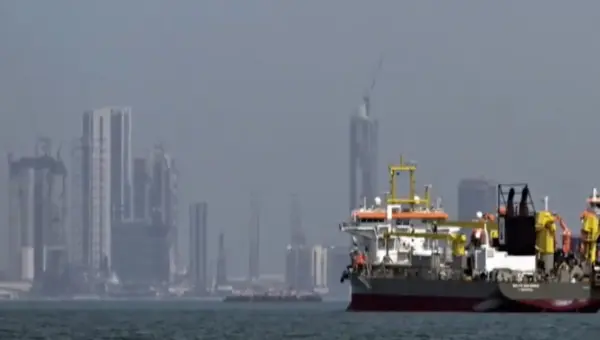
Iran Blocks China Ships, Exposing Beijing’s Weak Grip
Iran's recent decision to block Chinese ships at the Strait of Hormuz is exposing the limits of Beijing's influence in the Middle East. This action is causing delays and cancellations for Chinese manufacturers, turning a perceived geopolitical win into an economic strain.
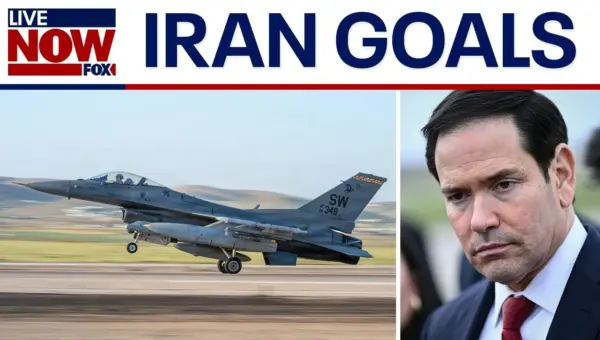
Rubio: US Can Achieve Iran War Goals Without Troops
Senator Marco Rubio outlined a strategy to counter Iran without deploying U.S. ground troops, focusing on weakening the regime and enhancing maritime security. He also criticized Cuba's economic system and expressed concerns about West Bank violence.