Iran’s Military Power Collapses, Shaking Regional Stability
Recent military actions have significantly weakened Iran's power, leading to a reassessment of its regional influence. Despite ongoing disruptions in the Strait of Hormuz, analysts suggest Iran faces a military catastrophe. The global oil market shows resilience, supported by U.S. energy policies and alternative supply routes.

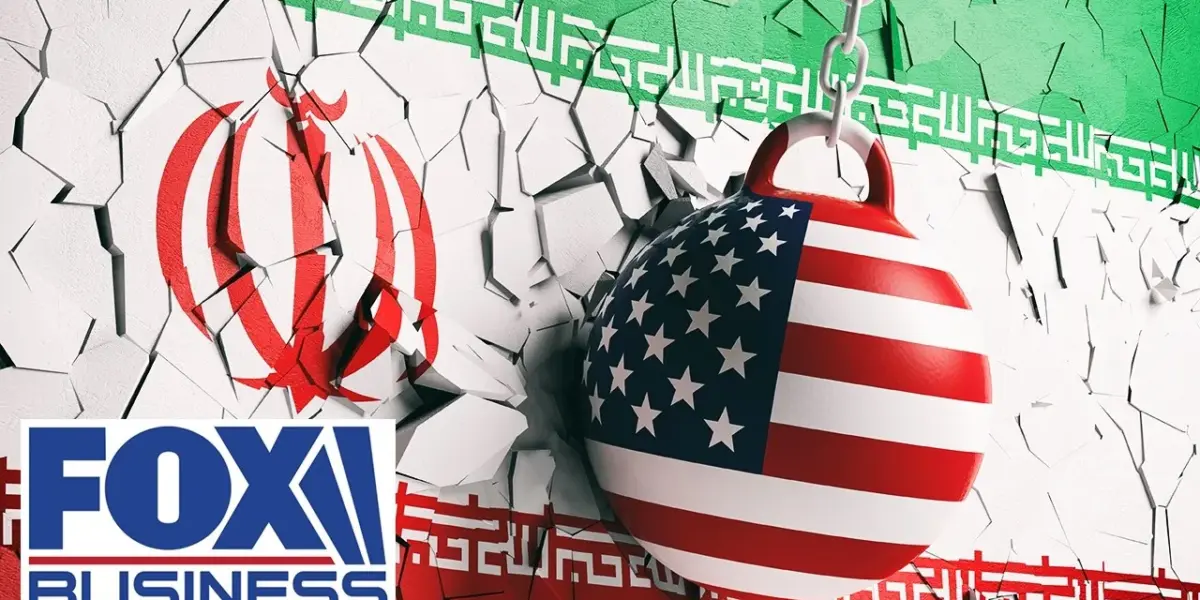
Iran’s Military Power Collapses, Shaking Regional Stability
Recent military actions have significantly weakened Iran’s capabilities, leading to a reassessment of its regional influence. Analysts suggest the country is facing a ‘complete catastrophe’ militarily, despite ongoing tactical disruptions.
Strait of Hormuz Disruptions Continue
While Iran attempts to disrupt the flow of oil through the vital Strait of Hormuz, its overall power is diminishing. Some oil tankers are navigating the waterway despite threats, though Iran still exerts some control over passage. This situation creates market uncertainty, but alternative routes and reserves are mitigating the full impact.
“We Are Winning” Narrative Emerges
Despite media portrayals that emphasize potential chaos and Iranian tactical moves, some experts believe the United States and its allies are achieving significant military success against Iran. This perspective argues that the narrative often presented in major news outlets focuses on minor disruptions rather than the broader strategic gains.
“Militarily, this is like a complete catastrophe for Iran. They still have some capabilities. They can throw a drone at a ship and that can prevent everyone. They can mind the streets of Hormuz which they are doing. They can do these tactical maneuvers that is disruptive, essentially, to the flow of oil. As a country and a power, they are toast.” said one analyst.
Oil Market Resilience
The global oil market is showing resilience despite the tensions in the Strait of Hormuz. While Iran’s actions aim to drive up oil prices, alternative pipelines and strategic reserves are helping to stabilize supply. For instance, pipelines from Saudi Arabia and the UAE, along with global reserve releases, are making up for a portion of the disrupted flows.
US Energy Policy Impact
The current pro-energy policies in the United States are seen as crucial in managing the impact of these geopolitical events on oil prices. If the U.S. were not a net exporter of petroleum products, the cost of oil could be significantly higher, potentially reaching $120 a barrel or more.
NATO’s Role Questioned
Questions are being raised about NATO’s support in the region. While Middle Eastern allies like Qatar, the UAE, and Saudi Arabia are providing significant backing, NATO partners have been hesitant to directly assist in operations through the Strait of Hormuz. This has led to criticism that NATO is not stepping up when needed, contrasting with the support offered by regional players.
Media Narrative vs. Reality
There is a strong argument that the media’s coverage of the situation is heavily filtered and often anti-Trump. This framing, it is suggested, buries the narrative of U.S. success under a deluge of stories highlighting minor setbacks or potential failures. Iran’s own state media and use of AI-generated videos are also noted as attempts to shape a different reality.
Economic Consequences for Consumers
The economic impact on everyday consumers is undeniable. Rising fuel costs, particularly for diesel, affect the price of nearly all goods and services. This directly impacts working families, regardless of media interpretations of the broader geopolitical situation.
Long-Term Outlook
While the immediate military situation shows Iran’s power significantly diminished, the potential for disruptive tactics remains. The long-term implications suggest that Iran’s ability to project power through controlling oil flow is being neutralized. The U.S. has signaled its intention to eventually withdraw from Iran, but not before addressing the ongoing threats.
What Investors Should Know
- Geopolitical Risk Premium: Tensions in the Strait of Hormuz can create a temporary risk premium on oil prices, but market fundamentals and alternative supply routes are key factors.
- Energy Sector Resilience: The U.S. as a net energy exporter provides a buffer against global supply shocks.
- Media Interpretation: Investors should critically assess news narratives, distinguishing between tactical disruptions and strategic outcomes in geopolitical events.
- Consumer Impact: Higher energy prices have a direct impact on consumer spending and inflation, affecting various sectors of the economy.
Source: 'NO LONGER A BULLY': Iran’s power collapse sends SHOCKWAVES across the region (YouTube)

Related Articles

Stocks Ignore War Risks, Focus on “Taco Moments”
Stock markets appear to be overlooking the severe supply chain risks stemming from the Iran conflict, focusing instead on potential diplomatic de-escalations. While the S&P 500 shows resilience, bond and commodity markets signal deep concern over disruptions to critical resources like LNG, helium, and fertilizers.

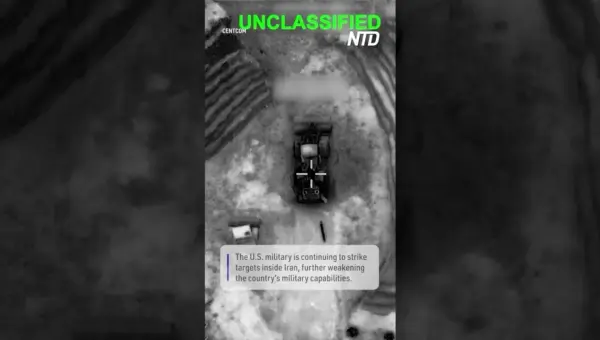
US Strikes Cripple Iran’s Military Might, CENTCOM Reports
U.S. Central Command reports ongoing strikes inside Iran are significantly weakening its military power. This direct action aims to reshape regional security dynamics, but carries risks of escalation. The long-term impact depends on Iran's response and ability to adapt.


U.S. Iran Tensions Rise Amid Shifting Alliances
Rising tensions between the U.S. and Iran are creating a volatile geopolitical situation. With conflicting signals on de-escalation and potential shifts in alliances like NATO and U.S.-Israel relations, the path forward remains uncertain. The global economy and regional stability hang in the balance.