Iran’s Military Grounded After U.S.-Led Strikes, CENTCOM Claims
CENTCOM claims Iran's navy and air force are grounded following recent strikes, with air defenses also reportedly destroyed. Meanwhile, the IDF reports hitting numerous Iranian command centers and missile sites. Concerns over the vital Strait of Hormuz shipping route are also being addressed by international partners.

Iran’s Military Grounded After U.S.-Led Strikes, CENTCOM Claims
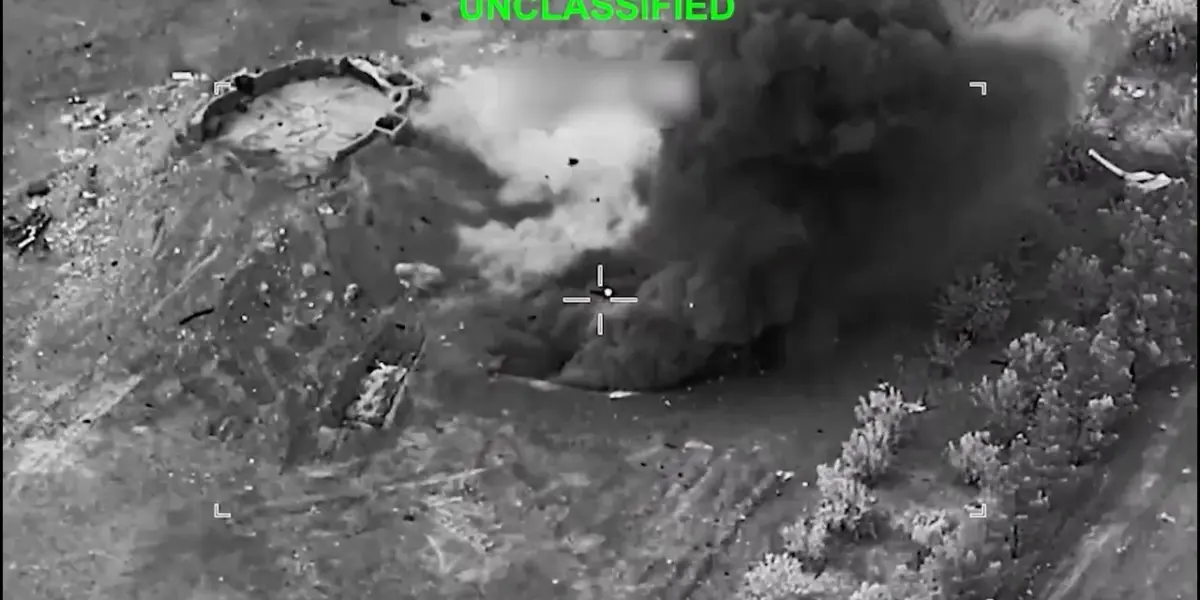
The United States military claims it is making significant headway in its operations against Iran. Admiral Brad Cooper, the commander of U.S. Central Command (CENTCOM), stated that Iranian forces have been severely weakened. This comes alongside new video evidence released by CENTCOM showing the impact of these actions.
According to Admiral Cooper, Iran’s navy is reportedly no longer able to sail, and its aircraft are grounded. Furthermore, a large portion of Iran’s air and missile defense systems have allegedly been destroyed. These assertions suggest a substantial degradation of Iran’s military capabilities.
IDF Targets Iranian Infrastructure
In parallel, the Israel Defense Forces (IDF) reported conducting extensive strikes within Iran. They claim to have targeted hundreds of command centers in Tehran, hitting key military sites. Specific targets mentioned include an IRGC ground force base, a mobile command post, and a storage facility for ballistic missiles in Tabriz.
Strait of Hormuz Concerns Grow
Amidst these military developments, worries persist regarding the Strait of Hormuz, a critical waterway for global shipping. The United Kingdom government has initiated discussions with approximately 35 nations, including major players like France, Germany, and Canada. The goal of these talks is to find ways to reopen the vital shipping route, which has faced disruptions.
Former President Trump has commented on the situation, stating that securing the strait is the duty of the nations that depend on it for trade and transit.
Why This Matters
The claims from CENTCOM and the IDF, if accurate, point to a significant shift in the regional military balance. The ability of Iran’s navy and air force to operate freely is crucial for projecting power and maintaining influence. Grounding these forces could severely limit Iran’s capacity to respond to further actions or to project force in the region.
The targeting of command centers and missile storage sites suggests a strategy aimed at decapitating Iran’s military leadership and degrading its long-range strike capabilities. This approach, if successful, could reduce the threat of retaliatory attacks and alter the dynamics of any potential future conflict.
Historical Context and Trends
Tensions between the U.S., its allies, and Iran have been a persistent feature of Middle Eastern politics for decades. The Strait of Hormuz, in particular, has often been a flashpoint, given that a significant portion of the world’s oil supply passes through it. Disruptions here can have immediate and far-reaching economic consequences globally.
Past incidents have seen Iran threaten to close the strait, leading to increased naval patrols by international forces. The current situation appears to be an escalation, with direct strikes aimed at degrading Iran’s military capacity rather than just deterring specific actions. This could signal a more aggressive stance aimed at long-term weakening of Iran’s military power.
Implications and Future Outlook
The implications of Iran’s military being significantly degraded are far-reaching. It could embolden regional rivals and potentially lead to further instability if Iran feels cornered. Conversely, it might also force Iran to the negotiating table, seeking de-escalation.
The international focus on securing the Strait of Hormuz highlights its strategic importance. The cooperative approach involving 35 nations suggests a unified effort to maintain freedom of navigation. However, the success of these efforts will depend on the ongoing security of the waterway and the willingness of all parties to adhere to international norms.
The future outlook remains uncertain. The effectiveness and sustainability of these strikes will be closely watched. Whether these actions lead to a de-escalation of tensions or an increased risk of wider conflict will depend on the responses from all involved parties and the broader geopolitical context.
Source: Iran’s Navy Not Sailing, Aircraft Not Flying After Strikes: CENTCOM (YouTube)

Related Articles


US Policy Shift Stuns Allies, Weakens Global Security
US policy shifts regarding Ukraine, the Strait of Hormuz, and NATO are raising concerns among allies and creating global instability. Critics point to a lack of strategic planning and diplomatic consultation, potentially emboldening adversaries and undermining international security.


Strait of Hormuz Tensions Risk Wider Middle East War
Efforts to secure the vital Strait of Hormuz risk triggering a wider Middle East war, according to UN warnings and security analysts. The narrow waterway is crucial for global trade, and forcing it open against Iran's objections could escalate regional tensions dramatically. Experts highlight the complex geography, Iran's remaining military capabilities, and the involvement of regional players as key factors in the volatile situation.


UK Leads Global Effort to Secure Strait of Hormuz
The UK has rallied over 40 countries to address the crisis in the Strait of Hormuz, a vital global energy route. The initiative seeks diplomatic and economic solutions amidst rising tensions and calls for a stronger European role. Experts suggest that negotiation, rather than military action, is key to securing the strait's passage.