Iran’s Military Endurance Tested Amidst US-Israeli Conflict
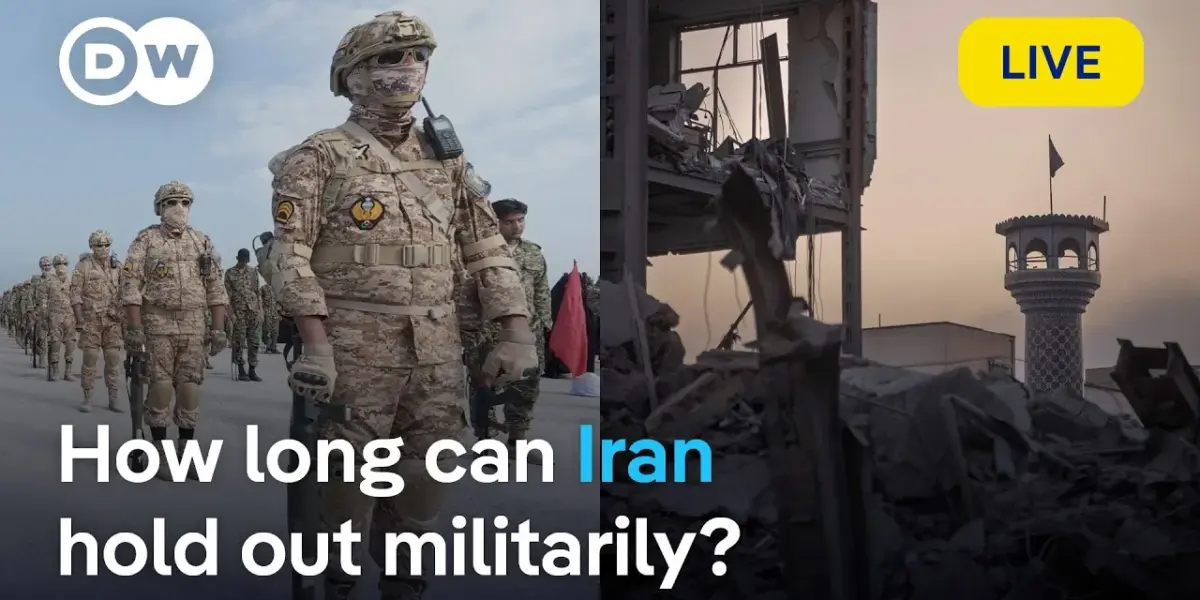
DW News examines Iran's military endurance amidst the US-Israeli conflict, analyzing its strategic capabilities, economic pressures from sanctions, and the role of regional proxies. The discussion highlights the complex factors determining Iran's resilience in a protracted confrontation.

Iran’s Military Endurance Tested Amidst US-Israeli Conflict
BERLIN – As the geopolitical landscape intensifies, the critical question of Iran’s military capacity and its ability to withstand prolonged conflict has come to the forefront. A recent livestream by DW News from Berlin, hosted by the DW News Team, delved into the complexities of Iran’s military endurance in the context of the ongoing US-Israeli war. The discussion, which took place on [Insert Date of Livestream if available, otherwise omit], aimed to dissect the strategic, economic, and political factors that will shape Iran’s resilience in a potentially protracted confrontation.
Assessing Iran’s Military Capabilities
While the transcript does not provide specific details on Iran’s military hardware or troop numbers, the discussion implicitly acknowledges the nation’s significant, albeit asymmetric, military posture. Iran has historically invested in developing a range of capabilities, including ballistic missiles, drones, and a network of proxy forces across the Middle East. These assets are often viewed as crucial components of its defense strategy, designed to deter conventional attacks and project influence in the region.
Experts suggest that Iran’s military doctrine emphasizes resilience and the ability to wage a multi-front conflict. This includes leveraging its geographical position, its missile programs as a strategic deterrent, and its support for non-state actors to create complex challenges for adversaries. The effectiveness of these strategies, however, is often debated, particularly when faced with the technological and logistical superiority of forces like those of the United States and Israel.
Economic Pressures and Their Impact
A crucial element influencing Iran’s military endurance is the severe impact of international sanctions. Decades of economic restrictions have significantly hampered Iran’s ability to fund its military modernization, procure advanced weaponry, and maintain its existing defense infrastructure. The sanctions regime, often imposed due to its nuclear program and alleged support for terrorism, has placed immense strain on the Iranian economy, impacting currency stability, trade, and access to essential resources.
The economic constraints directly affect the military’s operational readiness and its capacity to sustain prolonged engagements. While Iran has sought to circumvent sanctions through various means, including illicit trade and the development of domestic military industries, the overall economic pressure limits its ability to match the resource-intensive demands of modern warfare. The discussion likely touched upon how these economic vulnerabilities could become a decisive factor in determining the duration of Iran’s military sustainability.
Regional Dynamics and Proxy Warfare
Iran’s regional strategy heavily relies on the concept of ‘resistance’ and the cultivation of proxy groups. Hezbollah in Lebanon, various militias in Iraq and Syria, and the Houthis in Yemen are often cited as key elements of Iran’s ‘axis of resistance.’ These proxies serve multiple purposes: they extend Iran’s reach, create strategic depth, and can be used to pressure adversaries without direct Iranian military involvement, thereby mitigating the risk of direct retaliation.
However, the sustainability of these proxy networks is also contingent on Iranian support, both financial and logistical. As Iran faces economic challenges, its ability to fund and equip these groups could be diminished. Furthermore, the ongoing conflict between Israel and its adversaries, particularly in Gaza, has heightened tensions across the region, potentially drawing Iran into more direct confrontations or forcing it to divert resources to support its allies, further straining its own military and economic capacity.
The Role of International Diplomacy
While the focus of the DW News discussion was on military endurance, the role of international diplomacy remains a critical, albeit often understated, factor. The potential for de-escalation through diplomatic channels, the involvement of international mediators, and the broader geopolitical calculations of global powers all play a significant role in shaping the trajectory of the conflict. The effectiveness of sanctions, for instance, is often intertwined with international cooperation and diplomatic pressure.
The absence of direct quotes from the transcript means specific nuances of the diplomatic discussion are not available. However, it is understood that any long-term resolution to the tensions involving Iran is unlikely to be purely military. Diplomatic efforts, aimed at addressing the root causes of regional instability and Iran’s strategic concerns, would be essential for achieving lasting peace and predictability.
Looking Ahead: What to Watch
The ability of Iran to hold out militarily will be a complex interplay of its strategic planning, economic resilience, and the evolving regional and international dynamics. Observers will be closely monitoring Iran’s domestic economic indicators, its continued ability to support proxy forces, and its responses to any potential escalations. The effectiveness of international sanctions and the potential for diplomatic breakthroughs will also be key factors determining the longevity of Iran’s military posture in the face of ongoing conflict. The strategic calculus of all parties involved will be crucial in navigating this volatile period.
Source: Live: How long can Iran hold out militarily? | DW News (YouTube)

Related Articles


Iran Strikes Gulf States, London Insurance Market Faces Crisis
Iran's escalating strikes on Gulf states, including a major hit on a Saudi oil refinery, have sent oil prices soaring and triggered a severe crisis in London's insurance market. The geopolitical turmoil is raising questions about the shifting justifications for U.S. military actions and the complex internal dynamics within Iran.

Ukraine Reclaims Territory in February Amid Shifting Diplomacy, Sanctions Gaps
Ukrainian forces reclaimed more territory in February than they lost, signaling a potential battlefield shift. Meanwhile, US-brokered peace talks face relocation due to Middle East instability, and German components are still found in Russian drones, exposing sanctions vulnerabilities.
US Strikes Iran Amid Shifting Rationale and Unclear Objectives
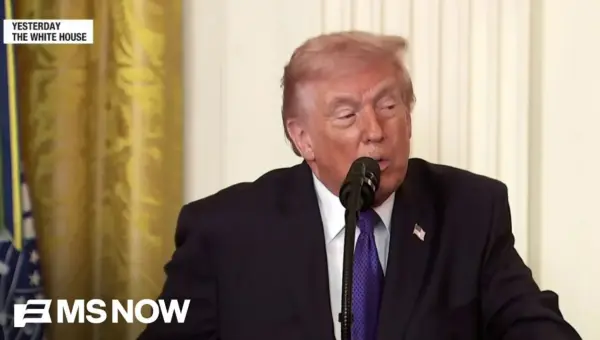
The U.S. is intensifying military strikes against Iran, with evolving justifications from the administration regarding imminent threats. Conflicting reports and statements raise questions about the intelligence behind the actions and the long-term objectives, as American casualties mount.