Iran’s Leadership Vacuum: What Comes After Khamenei?
Iran is entering a period of unprecedented leadership transition following the death of Supreme Leader Ayatollah Ali Khamenei. An interim council is being formed, with Ali Larijani emerging as a key figure amidst significant military leadership vacancies. The succession process for a new Supreme Leader promises to be complex and will significantly shape Iran's future domestic and international trajectory.

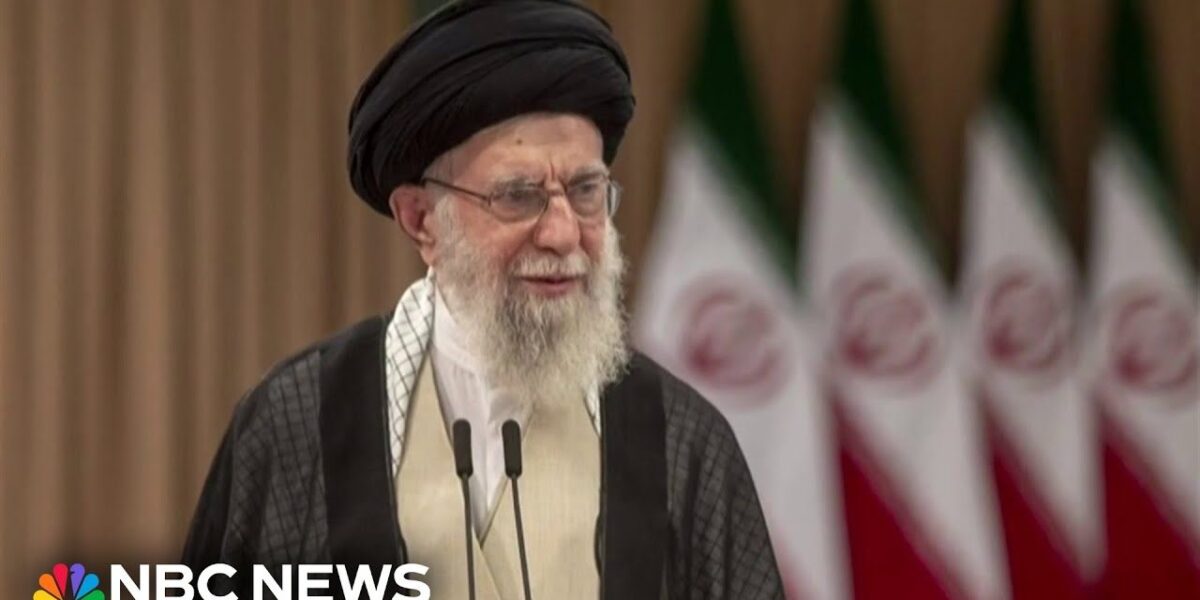
Iran Navigates Uncharted Territory After Supreme Leader’s Death
The Islamic Republic of Iran is facing a profound moment of transition following the death of its Supreme Leader, Ayatollah Ali Khamenei, who held the ultimate authority in the country since 1989. His demise, reportedly due to missile strikes that also targeted Israel, plunges Iran into a period of significant uncertainty, impacting its domestic politics and international relations, particularly with the United States. For the first time since its establishment, the U.S. government must contend with an Iran not under Khamenei’s direct leadership, marking a departure into largely uncharted diplomatic and strategic waters.
Interim Leadership and the Power Struggle
In the immediate aftermath of Khamenei’s death, the Iranian regime has moved to establish a temporary leadership council to ensure governance. Ali Larijani, a former Speaker of the Iranian Parliament and now a senior security official, has emerged as a key figure in this transitional phase. Larijani, described as a hardliner with extensive experience in nuclear negotiations with the U.S., appears to be taking a central role in managing the current crisis and the formation of the interim council. His pronouncements indicate a defiant stance, with threats of retaliation against the U.S. and Israel for the attacks that led to Khamenei’s death.
“Yesterday Iran fired missiles at the United States and Israel, and they did hurt. Today, we will hit them with a force that they have never experienced before.”
While Iran’s democratically elected President remains in office, the position holds limited power, especially concerning national security and foreign policy, which are primarily overseen by the Supreme Leader. This power dynamic means the immediate focus is on filling critical leadership vacuums, not just at the top spiritual and political level, but also within the military structure.
Filling the Void: Military and Clerical Succession
The regime is reportedly racing to appoint individuals to numerous vacant military leadership posts. The scale of the loss is significant, with Israel claiming responsibility for killing approximately 40 senior Iranian leaders, including many high-ranking commanders within the Islamic Revolutionary Guard Corps (IRGC). This has created a substantial void at the apex of Iran’s military and security apparatus, necessitating swift replacements.
The process of selecting a new Supreme Leader is historically significant, with only two individuals having held the position in the Islamic Republic’s history: Ayatollah Ruhollah Khomeini, the founder, and Ayatollah Ali Khamenei. The role typically requires the incumbent to be a Shia Muslim cleric and necessitates approval from a specific body, suggesting a complex and potentially lengthy selection process ahead. The uncertainty surrounding this succession is a primary concern for both domestic stability and international actors.
Broader Implications for U.S.-Iran Relations
The death of Ayatollah Khamenei presents a complex challenge for U.S.-Iran relations. As President Biden noted, the situation offers an ‘opportunity for people in Iran to step up and take over their government.’ However, observers caution that such a transition is far from simple. The immediate aftermath is characterized by heightened tensions and retaliatory rhetoric, underscoring the volatile nature of the region. The appointment of a new Supreme Leader, and the potential shift in the regime’s internal dynamics, will be closely watched by the international community. The leadership’s response to the perceived attacks, coupled with the internal power struggle, will shape Iran’s foreign policy and its engagement with global powers for the foreseeable future.
What’s Next on the Horizon?
The coming weeks and months will be critical for Iran as it navigates this period of profound change. Key developments to watch include the formal establishment and functioning of the interim leadership council, the speed and nature of appointments to vacant military positions, and the unfolding process to select a successor to Ayatollah Khamenei. The international community, particularly the United States and its allies, will be scrutinizing these developments closely for any signs of shifts in Iran’s regional posture and its approach to nuclear and international security issues.
Source: What’s next for Iran’s leadership following Ayatollah Khamenei’s death? (YouTube)

Related Articles
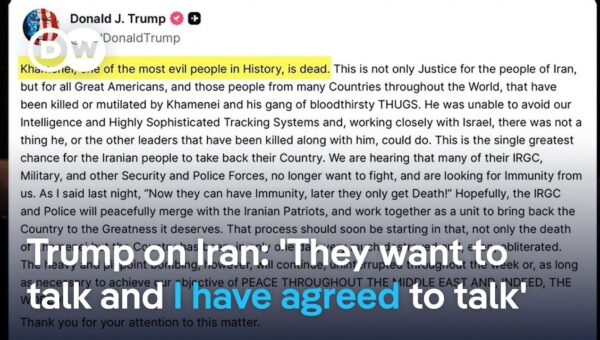
Trump Agrees to Talks with Iran After Major Strikes
President Donald Trump has agreed to talks with Iran's leadership following coordinated strikes that reportedly killed key figures, including the Supreme Leader. While Trump claims significant military successes, U.S. strategy remains unclear, and public opinion shows limited support for the actions amid rising American casualties.

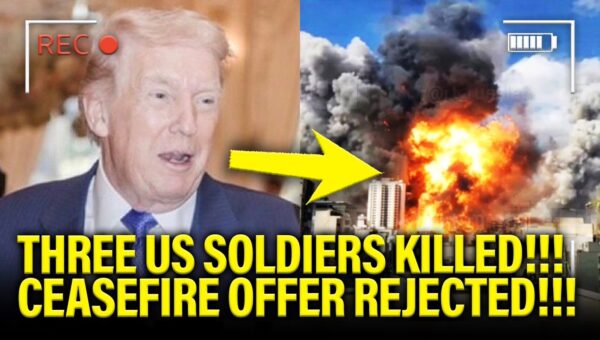
Iran Rejects Trump Ceasefire Offer Amid Escalating Regional Conflict
Iran has rejected a ceasefire offer from the Trump administration, escalating regional tensions and leading to U.S. casualties. The conflict, dubbed 'Operation Epic Fury,' has seen Iranian retaliatory strikes across the Middle East and disruption in the Strait of Hormuz.
Oil Prices Surge Amid Iran Tensions: Gas Costs to Rise?
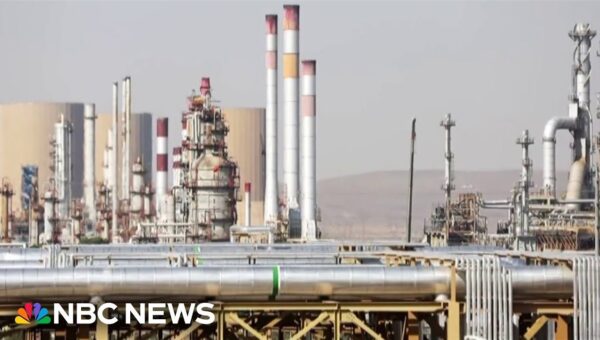
Escalating tensions involving Iran are poised to significantly impact global oil prices, with analysts predicting a potential $15-$20 per barrel spike. This could lead to a substantial increase in gasoline prices for consumers, exacerbated by disruptions to the crucial Strait of Hormuz shipping route. The broader economic implications include pressure on global supply chains and potential impacts on economic growth.