Iran’s Leadership Shake-up Fuels Global Speculation
The death of Iran's Supreme Leader and the subsequent disappearance of his potential successor have plunged the nation into a leadership crisis. The elimination of a key security official further deepens the mystery, fueling global speculation about Iran's future. Observers suggest this upheaval could empower the Iranian people and pave the way for a new era.

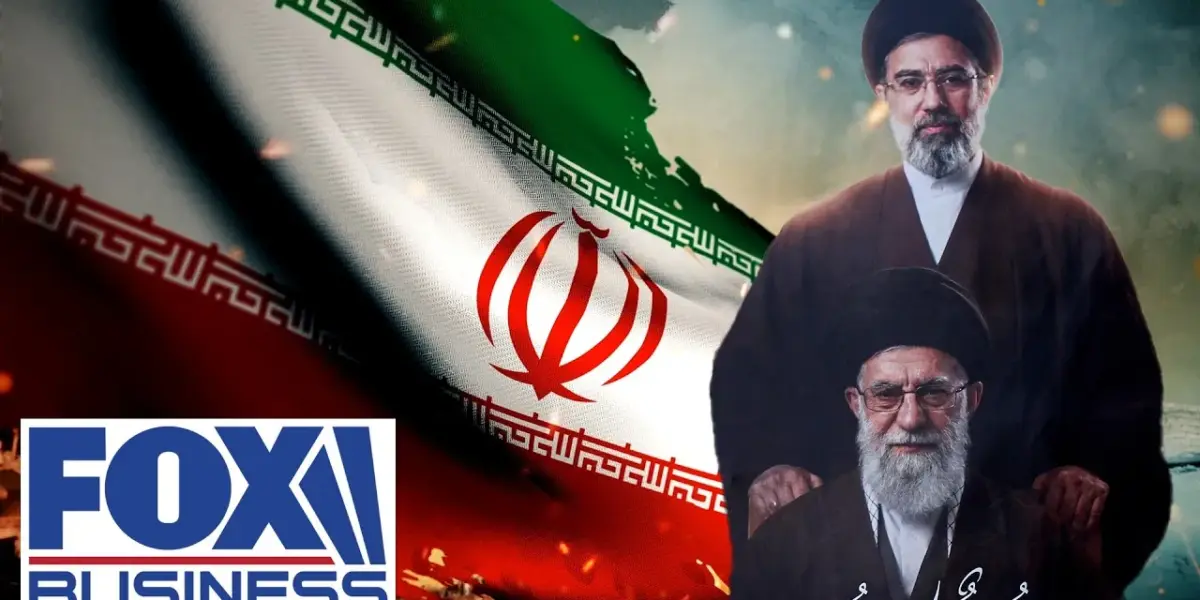
Iran’s Top Security Official Eliminated in Airstrike; Succession Questions Mount
A significant shift in Iran’s power structure appears to be underway following the reported elimination of a key security official in an overnight airstrike. The individual, identified as Larijani, was described as effectively running the country for the past 18 months, a role that subsumed the power of the presidency even while the Supreme Leader, Ayatollah, was alive. This development has intensified global speculation about Iran’s future leadership and stability.
Succession Under a Cloud
The circumstances surrounding the Supreme Leader’s death in February, attributed to U.S.-Israeli strikes, have cast a long shadow. His son, Mojtaba Khamenei, is widely seen as the intended successor. However, reports suggest Mojtaba Khamenei has not been seen in public since his father’s death. Whispers range from him being badly disfigured and having lost a leg to claims he is dead, fueling uncertainty about the succession plan.
“Nobody is saying one hundred percent healthy, this one we haven’t seen at all.”
This lack of public appearance and the conflicting rumors create a significant leadership vacuum. General Jack Keane, who previously stated Larijani was effectively running the country, highlighted the importance of this figure. Larijani was not only instrumental in managing state affairs but was also personally responsible for directing crackdowns on protesters. His elimination, therefore, removes a key enforcer of the current regime.
Protests and Crackdowns Continue
Despite the internal power struggles and external pressures, Iran has reportedly unleashed a new crackdown to head off potential uprisings. This comes as the military and infrastructure have been significantly degraded by U.S. and Israeli strikes. Sources on the ground suggest that people are preparing for the right moment to return to the streets, awaiting a final call from a figurehead representing a potential future leadership.
The narrative from some observers is that targeted strikes on the regime’s repressive forces, including the IRGC (Islamic Revolutionary Guard Corps), are empowering the Iranian people. These actions are seen as leveling the playing field, giving citizens a fairer chance to challenge the current establishment. The belief is that the Iranian people are brave and strategic, waiting for the opportune moment when the regime’s repressive forces are weakened.
A Vision for a New Iran
In the wake of these events, the former Crown Prince of Iran, Reza Pahlavi, has expressed his readiness to lead the country once the current regime falls. He is reportedly working on a transition plan to ensure stability and avoid significant disruption in governance. Pahlavi envisions a secular, democratic system and believes he has the majority support of the Iranian people, citing past demonstrations where millions chanted his name.
His platform includes establishing a transitional justice commission to investigate past crimes and ensure accountability. He is also in contact with moderates and individuals within Iran’s state bureaucracy who are prepared to move away from the current regime. Pahlavi aims to unite various factions, including the armed forces, bureaucracy, and the business community, to foster stability.
Economic Implications and Regional Stability
The potential for change in Iran carries significant economic implications. A stable, reformed Iran could represent a substantial revenue stream, potentially over a trillion dollars, for the U.S. market over time. Iranian-Americans are seen as ready to invest and contribute to a future Iran. Furthermore, resolving the long-standing crisis surrounding the Strait of Hormuz is a key objective. For 47 years, the Strait has been a symbol of crisis, holding oil production hostage. A new Iran, re-integrated into the regional community, could see the Strait become a symbol of regional prosperity and peace.
Market Impact
The ongoing uncertainty surrounding Iran’s leadership and the potential for internal unrest create a volatile geopolitical climate. Investors will be closely monitoring developments for any signs of escalating conflict or shifts in regional power dynamics. The elimination of key figures and the persistent rumors about the successor’s health suggest a period of instability. However, the prospect of a more stable and economically integrated Iran under a new leadership could eventually present new opportunities, particularly in energy markets and regional trade.
What Investors Should Know
Investors should be aware that the situation in Iran is fluid and carries geopolitical risk. The ongoing internal power struggles and the potential for renewed protests could impact global energy supplies and prices, especially concerning the Strait of Hormuz. The long-term implications depend heavily on the outcome of the succession crisis and the potential for a transition to a more stable governance structure. Any positive developments towards stability and economic reform could eventually be viewed favorably by markets, but the path forward remains uncertain.
Source: MYSTERY DEEPENS: Missing heir FUELS global speculation (YouTube)

Related Articles

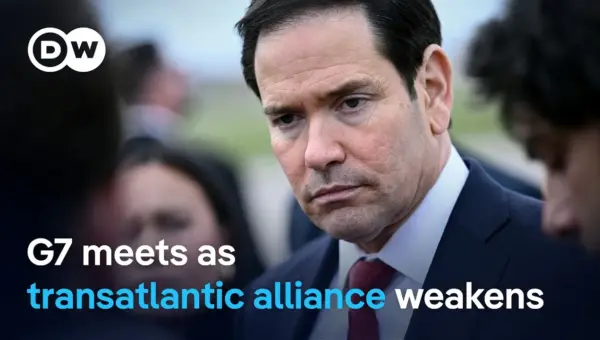
G7 Allies Clash Over Iran War Strategy, Urge Focus on Russia
G7 foreign ministers met in Paris, revealing deep divisions over the U.S. war with Iran. European allies urged the U.S. to pressure Russia, linking its actions to the conflict and fearing support for Ukraine will wane.
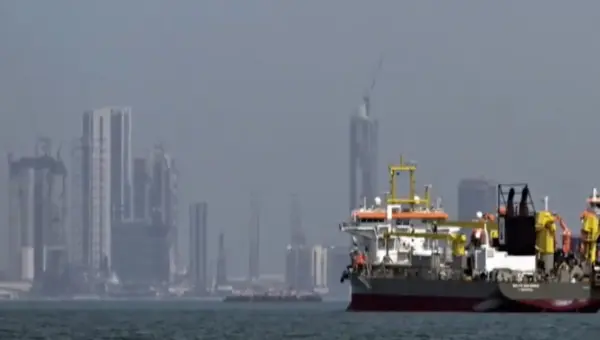
Iran Blocks China Ships, Exposing Beijing’s Weak Grip
Iran's recent decision to block Chinese ships at the Strait of Hormuz is exposing the limits of Beijing's influence in the Middle East. This action is causing delays and cancellations for Chinese manufacturers, turning a perceived geopolitical win into an economic strain.
Rubio: US Can Achieve Iran War Goals Without Troops
Senator Marco Rubio outlined a strategy to counter Iran without deploying U.S. ground troops, focusing on weakening the regime and enhancing maritime security. He also criticized Cuba's economic system and expressed concerns about West Bank violence.