Iran’s Leadership Decimated: A Strategic Strike or Escalation?
Reports indicate a devastating strike on Iran's leadership and military infrastructure, raising questions about strategic objectives and escalating conflict. The potential for Iran to possess nuclear weapons adds a critical layer of urgency.

Iran’s Leadership Decimated: A Strategic Strike or Escalation?
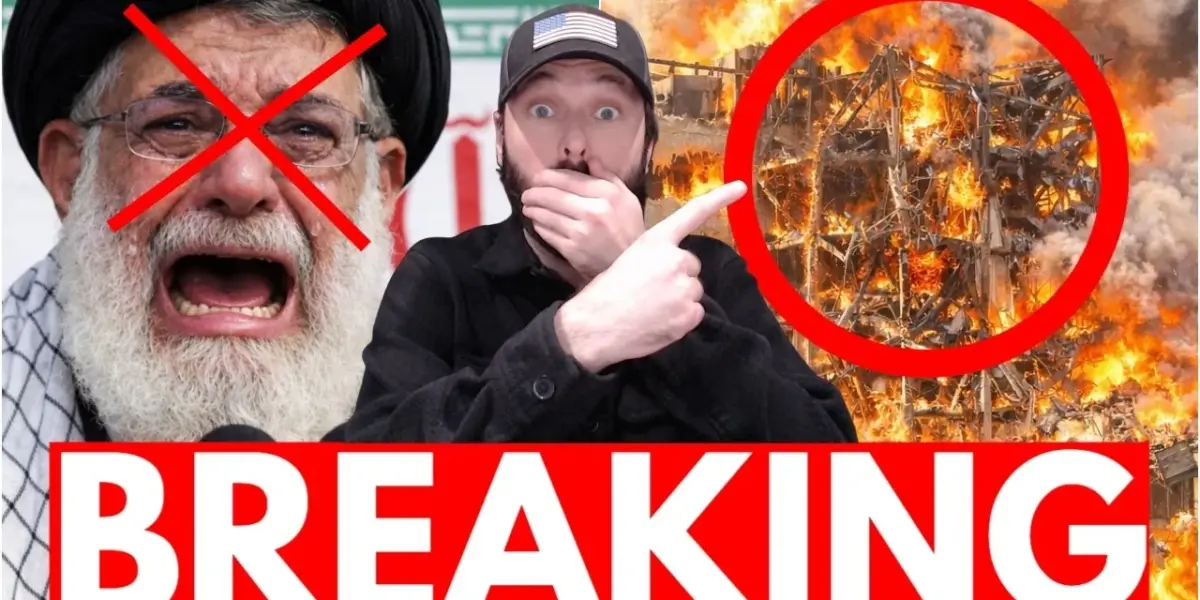
In a dramatic turn of events, reports indicate a significant decapitation strike against Iran’s leadership, raising profound questions about the trajectory of the ongoing conflict. On March 3rd, the narrative surrounding the war intensified with claims that the newly appointed Iranian leadership was “wiped out” in a massive air strike. This follows earlier reports of the Ayatollah and over 40 other government leaders being killed in the initial stages of hostilities. The latest alleged strike, attributed to the Israeli air force, targeted a meeting of the Assembly of Experts in Qom, Iran, where 88 religious leaders were reportedly gathered to select a new Supreme Leader.
The Assembly of Experts Under Fire
The Assembly of Experts is a pivotal body in Iran’s political structure, responsible for appointing, supervising, and even dismissing the Supreme Leader. Its members are elected by popular vote but are vetted by the Guardian Council, ensuring a religious and ideological alignment with the Islamic Republic. The transcript highlights the assembly’s composition of 88 religious leaders, emphasizing their crucial role in governing the country.
According to the report, the assembly was convened to elect a successor to Ayatollah Khamenei, who was reportedly killed earlier in the conflict. The interim Ayatollah appointed after Khamenei’s death is also alleged to have been killed. The strike, as described, completely vaporized the building where the meeting was held, with subsequent footage showing the structure utterly destroyed, leaving “nothing left.” The analysis questions the operational security of the Iranian leadership, given the repeated targeting of their high-level meetings.
A Pattern of Strikes and Escalation
The targeting of the Assembly of Experts is presented as the second major blow to Iran’s leadership within a short span, suggesting a deliberate strategy to cripple the command structure. Beyond the leadership strike, the transcript details extensive air strikes across Iran, particularly in Tehran. Footage depicts widespread destruction, including buildings with shattered windows due to shockwaves and entire structures flattened. Tehran is described as being “lit up for the fourth straight day like a Christmas tree,” with the overall scene resembling a “post-apocalyptic” landscape.
The strikes are not limited to the capital. Reports indicate Israeli air force operations in western Iran targeting dozens of ballistic missile launchers and air defense systems, aimed at preventing further attacks on Israel. Footage shows direct hits on these military assets, with massive explosions indicating successful strikes.
US Involvement and Shifting Stance
The United States military is also heavily involved, with CENTCOM footage showcasing “surgical” and “overwhelming” strikes focused on destroying Iranian offensive missiles. President Trump, speaking via Truth Social, declared that negotiations with Iran are over until US military objectives are met. His statement, “We will strike, strike, strike, strike, and then after we’ve beaten them into oblivion, maybe then we’ll come back and talk to him,” signals an aggressive posture and a commitment to a protracted military campaign.
Furthermore, there are reports, citing US officials, that President Trump is considering supporting Iranian factions willing to take up arms against the Islamic regime, including Kurdish groups. While a final decision has not been made, this potential policy shift could involve providing arms, training, and intelligence, effectively turning internal dissent into a proxy ground force backed, at least rhetorically, by Washington.
The Nuclear Dimension
A critical element underscoring the urgency of the conflict is the revelation regarding Iran’s nuclear program. Steve Wicker, the lead US negotiator, reportedly stated that Iranian negotiators admitted to possessing enough enriched uranium to produce 11 nuclear bombs. This information, allegedly conveyed without shame, highlights a significant escalation in Iran’s nuclear capabilities and potentially served as a negotiating stance, or even a veiled threat, at the outset of the conflict.
The existence of such a nuclear threshold significantly alters the strategic calculus, providing a compelling justification for pre-emptive military actions aimed at preventing Iran from achieving nuclear weapon status. The transcript frames the current war as a necessary response to this existential threat.
Why This Matters
The reported decimation of Iran’s leadership and the extensive military operations signify a critical juncture in the geopolitical landscape. If accurate, the strikes against the Assembly of Experts represent a profound blow to the continuity of Iran’s governance, potentially leading to internal instability or a power vacuum. The aggressive US stance, coupled with the possibility of arming rebel factions, suggests a strategy aimed at regime change, escalating the conflict beyond conventional warfare.
The nuclear dimension adds a layer of extreme gravity. The reported capacity to produce multiple nuclear bombs introduces an immediate and severe threat, justifying drastic measures to prevent proliferation. This situation demands careful consideration of the potential for miscalculation, unintended escalation, and the devastating consequences of a nuclear-armed Iran or a wider regional war.
Implications, Trends, and Future Outlook
The current events point towards a trend of increased military assertiveness and a willingness to employ decisive force in the Middle East. The conflict appears to be moving towards a phase of attrition and internal destabilization within Iran. The US strategy, as outlined, seems to prioritize the complete neutralization of Iran’s offensive capabilities, including its missile programs and potential nuclear ambitions, before engaging in diplomatic solutions.
The future outlook is fraught with uncertainty. The success of decapitation strikes in permanently weakening a state, the effectiveness of supporting internal opposition, and the potential for Iran to retaliate through asymmetric means or by accelerating its nuclear program are all critical variables. The international community faces the challenge of navigating this escalating crisis, balancing the imperative to prevent nuclear proliferation with the risks associated with prolonged military conflict and regional instability.
Historical Context and Background
The current confrontation echoes historical patterns of geopolitical tension in the Middle East, particularly concerning Iran’s nuclear program and its regional influence. For decades, Iran’s nuclear ambitions have been a source of international concern, leading to sanctions and diplomatic efforts aimed at containment. The Islamic Revolution of 1979 fundamentally altered Iran’s relationship with the West, ushering in an era of ideological and geopolitical rivalry.
The concept of decapitation strikes, while controversial, has been a feature of modern warfare, aimed at disrupting enemy command and control. The targeting of leadership figures, as alleged in this instance, represents an extreme application of this strategy. The current conflict unfolds against a backdrop of regional proxy conflicts and a long-standing adversarial relationship between Iran and its neighbors, as well as the United States.
The revelation about Iran’s enriched uranium stockpile, if accurate, suggests a potential failure of previous diplomatic efforts, such as the Joint Comprehensive Plan of Action (JCPOA), to permanently halt Iran’s path to nuclear weapons. This may explain the shift towards a more aggressive military posture, driven by the perceived urgency of the threat.
Source: Iran's New Leaders WIPED OUT In Bombing Attack *STRIKE FOOTAGE* (YouTube)

Related Articles
Red Sea Crisis Sparks 15% Shipping Cost Surge
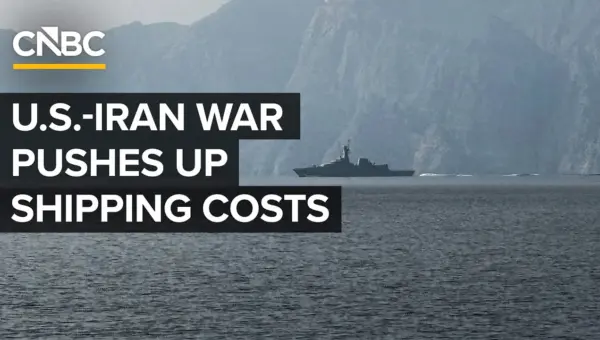
Military actions in the Red Sea have effectively shut down freight traffic, forcing a 15% longer and more expensive detour around Africa. Major shipping lines are imposing significant surcharges, boosting carrier profits amid supply chain uncertainty.

Trump’s Mideast Gamble: War, Evacuation Chaos, and Market Meltdown
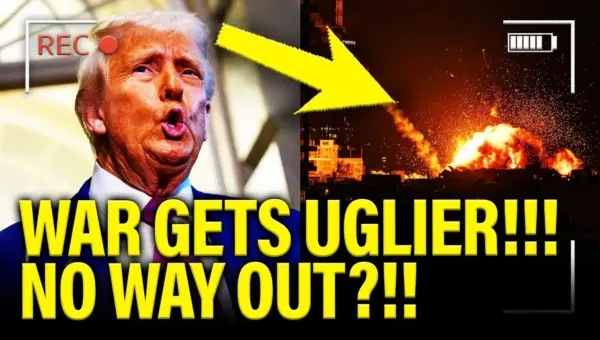
Reports indicate escalating conflict in the Middle East, with the U.S. struggling to evacuate its citizens and facing severe market repercussions. The rationale behind recent military actions and their unintended consequences are under scrutiny, highlighting a complex and volatile geopolitical situation.

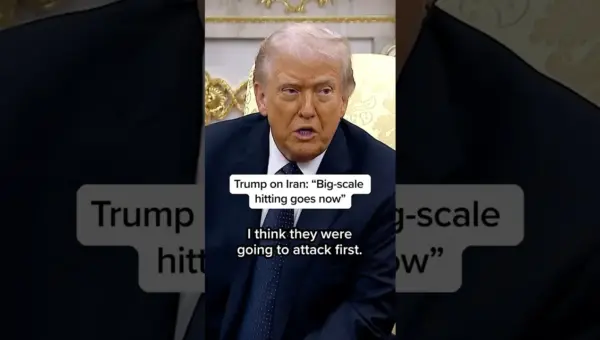
Trump Warns of ‘Big Scale Hitting’ Against Iran
President Donald Trump stated that "big scale hitting goes now" against Iran, signaling a significant escalation amid rising regional tensions. The remarks were made while meeting with German Chancellor Friedrich Merz in the Oval Office, with Trump believing Iran was preparing to attack.