Iran’s Leaders Outlast Trump’s War Strategy
Former President Trump's strategy against Iran is criticized for misunderstanding the regime's core motivation: survival. Iranian leaders focus on outlasting political pressure, not engaging in modern warfare. This approach, combined with Iran's oil leverage and willingness to endure suffering, presents a unique challenge that external military action may not resolve.

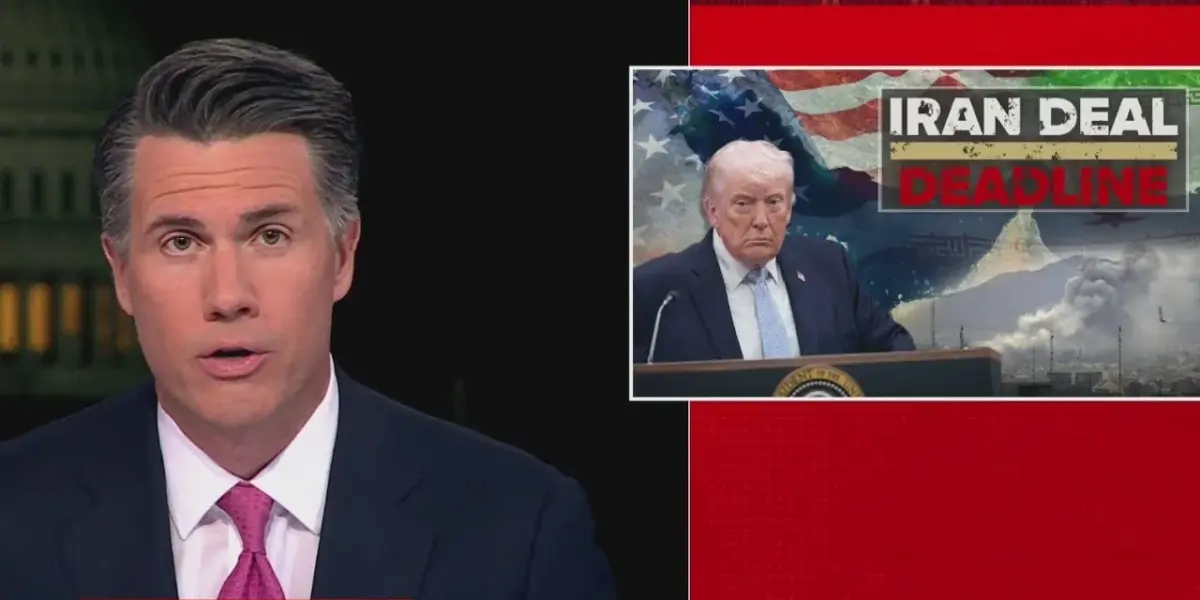
Iran’s Leaders Outlast Trump’s War Strategy
Former President Trump’s approach to Iran is fundamentally misunderstood, according to a recent analysis. His rhetoric paints Iranian leaders as stuck in the past, fighting wars based on ancient religious ideas. However, this view misses how Iran’s current leadership operates. They are not fighting a 21st-century war like Trump. Instead, they focus on survival and enduring conflict. This difference in strategy is crucial for understanding the ongoing tensions.
A Shift in War Messaging
The messaging around the conflict has changed significantly. It moved from predicting an imminent war to suggesting a path toward peace. Yet, this shift is confusing. The analysis suggests that the Iranian leadership does not fear being pushed back to the “Stone Age.” They believe their strategy is simply to survive. As long as they can outlast Trump’s political will to fight, they feel they have the upper hand. This is especially true as the war becomes less popular.
Trump’s Motivations and Iran’s Goals
Trump appears motivated by specific political goals in launching and continuing this conflict. He faces pressure to achieve results, especially with rising costs for Americans. The Iranian regime, however, operates differently. Their leaders are described as a “death cult.” For them, martyrdom is a goal. Reports suggest they might even use human shields around power plants. They understand that mass casualties could create sympathy for their cause.
The Gaza Analogy and its Limits
The situation in Gaza is used as a comparison. For three years, Gaza has experienced intense conflict. Yet, Hamas has not surrendered. This highlights a key point: military action alone does not guarantee victory or the end of resistance. Critics have pointed to the conflict as genocide, seeking to protect groups like Hamas. If Trump wants to succeed, he needs to change how Iran’s regime thinks about the consequences of its actions.
Economic Leverage and Political Survival
Iran holds significant economic power, particularly controlling oil prices. This gives them considerable influence. Americans are feeling the pinch of higher prices at the gas pump and grocery stores. This economic pain is a major concern for Trump, especially in an election year. His political power is at stake. Iran’s leaders, however, do not face the same pressure. They show little concern for their people’s suffering. In fact, they sometimes use the suffering of their own people as proof of their righteousness.
Internal Threats vs. External Force
The analysis argues that the Iranian leadership is inherently evil. To truly challenge them, Trump must reconsider his strategy. He should return to his earlier support for popular uprisings within Iran. This internal dissent is presented as the only real threat to the regime. American bombs, on the other hand, are seen as less effective. The U.S.-led coalition has failed to spark a widespread revolution. The regime in Tehran would be more fearful of Trump promising to arm the Iranian people. This suggests a focus on internal change rather than external military force.
Global Impact
This analysis points to a fundamental disconnect in understanding the motivations and strategies of the Iranian regime. By viewing them through a lens of traditional warfare and political logic, external powers may miscalculate their responses. Iran’s focus on survival and its willingness to endure hardship, even at the cost of its own population’s suffering, presents a unique challenge. The economic leverage Iran wields through oil markets, coupled with its internal political structure, means that external military pressure might not achieve the desired outcomes. Instead, fostering internal dissent, as suggested, could be a more effective, albeit complex, long-term strategy. This approach could reshape regional dynamics and alter the global balance of power if successful, as it targets the regime’s core vulnerability: its own people’s discontent.
Historical Context
For 47 years, various administrations have engaged in negotiations with Iran. These talks have often centered on preventing Iran from acquiring nuclear weapons. The current situation echoes past diplomatic efforts that have struggled to fundamentally alter the Iranian regime’s behavior or its regional ambitions. The comparison to Gaza’s prolonged resistance also highlights historical patterns of asymmetric warfare, where non-state actors or states with different strategic priorities can withstand conventional military pressure by focusing on attrition and political endurance.
Future Scenarios
One scenario is that Trump’s current strategy continues, leading to prolonged tension and potential escalation, with Iran enduring the pressure. Another scenario involves a shift in U.S. strategy towards supporting internal opposition, which could destabilize the regime but also carries risks of widespread chaos. A third possibility is a negotiated settlement, though past attempts suggest this would be difficult given the deep ideological differences and perceived existential threats by both sides.
Source: Trump shows misunderstanding of Iran with 'Stone Age' comments: Vittert | On Balance (YouTube)

Related Articles


Dem Rep. Calls Trump’s Iran Threats ‘Apocalyptic’
Democratic Congresswoman Yasemin Anzari has strongly condemned President Trump's "apocalyptic" threats against Iran, warning of potential genocide and nuclear war. She is calling for the 25th Amendment to be invoked and is introducing articles of impeachment against Defense Secretary Pete Hegseth. Anzari fears the President's rhetoric could strengthen the Iranian regime and harm its people.

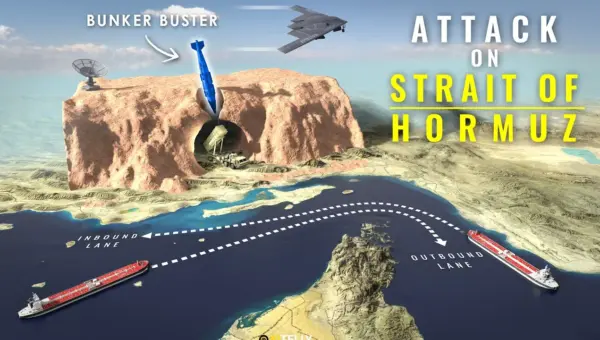
Iran’s Strait of Hormuz Trap: How the US Fights Back
Iran's strategy to control the Strait of Hormuz involves using islands as bases for anti-ship missiles and launching swarm attacks with small boats. The US counters with advanced defense systems, surveillance drones, and powerful bunker-buster bombs, highlighting the ongoing tension in this vital global shipping lane.
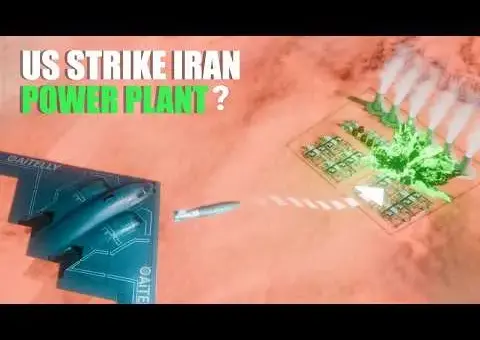
US Aims to Cripple Iran’s Power Grid to Secure Strait of Hormuz
A new US strategy reportedly targets Iran's power grid, including major plants like Damavand, to force open the Strait of Hormuz. The plan involves multi-stage air attacks using advanced bombers and precision munitions to cripple energy infrastructure and cause cascading failures.