Iran’s Iran’s Deal Hopes Dashed by Trump’s Firm Stance
Iran's hopes for concessions from President Trump are misplaced, according to former National Security Adviser Robert O'Brien. He argues Iran seeks to halt military pressure and should not expect the U.S. to yield to their demands for reparations or troop withdrawals. Regional allies like Saudi Arabia also desire Iran's regime downfall.

Iran’s Deal Hopes Dashed by Trump’s Firm Stance
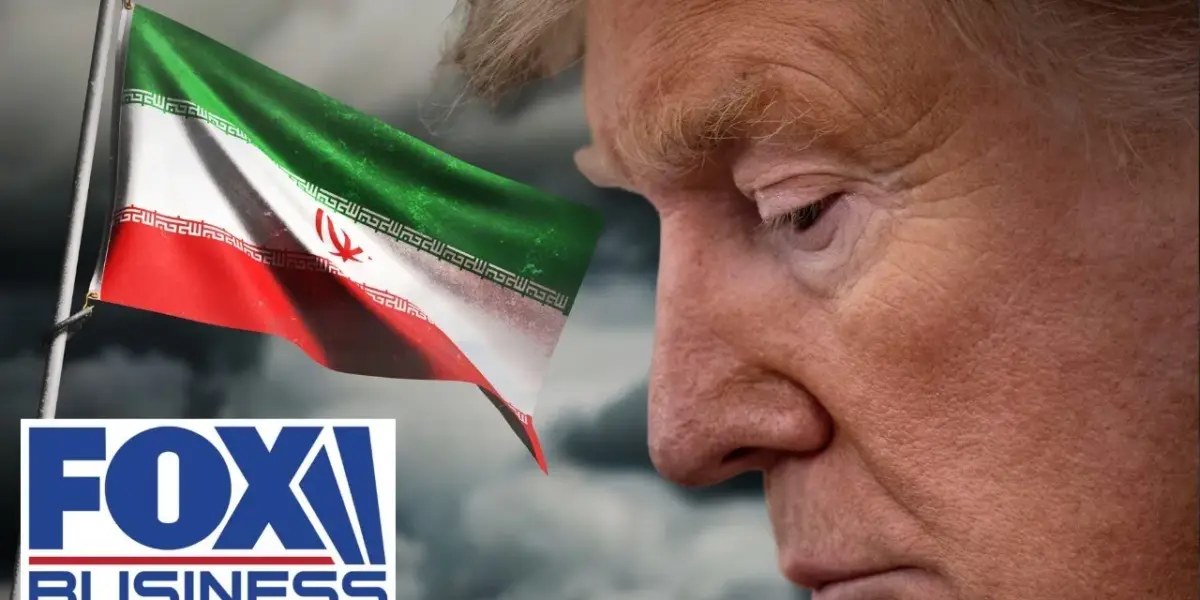
Iran’s hopes for significant concessions in any potential deal with the United States under President Trump are misplaced, according to former National Security Adviser Robert O’Brien. Speaking on a recent broadcast, O’Brien suggested that Iran’s current overtures are driven by a desire to halt military pressure and that they should not expect President Trump to yield to their demands.
Iran’s Motivations and Demands
O’Brien believes Iran’s primary goal is to stop the ongoing military actions against them. He stated, “They’re getting just destroyed by the U.S. Air Force, by the IDF, and they want this to stop.” He anticipates Iran might offer to reopen the Strait of Hormuz and potentially halt its nuclear program as bargaining chips. However, he cautioned against trusting their promises.
The former advisor outlined what he perceives as Iran’s core demands. These include seeking reparations for past conflicts, the complete withdrawal of all American troops from the Middle East, and potentially demanding a form of “toll” on oil transit, reminiscent of a “Tehran toll booth.” O’Brien dismissed these expectations, asserting, “Larry, we’re not going to agree to anything they ask for.”
Trump’s Leverage and Strategy
President Trump, O’Brien explained, has strategically built significant leverage for negotiations. This leverage, he argued, positions the U.S. to secure a favorable deal. The ultimate aim for Iran, according to O’Brien, is the survival of its current regime. If the Ayatollahs remain in power, continue to use their Basij militia against citizens, and maintain their ballistic missile and drone programs, that represents a successful outcome for them.
O’Brien’s advice to Iran was stark: “They ought to come into the negotiations with all the enriched uranium in a box, hand it to us and say this is what we’ve got, leave us alone.” He added that if Iranian negotiators appear weak and accept whatever is offered by figures like Kushner and Witkoff, they should at least try to survive.
Regional Alliances and Saudi Stance
The conversation also touched upon the views of key regional players. O’Brien noted a report suggesting Saudi Crown Prince Mohammed bin Salman (MBS) is urging President Trump not to cease military action, desiring even greater damage to Iran’s regime and its complete removal. This aligns with the Crown Prince’s own strategic interests.
“The Crown Prince… has no interest in the Iranians surviving and rebuilding their military, rebuilding a strong missile program. He wants them done, he wants them out, he wants them gone,” O’Brien stated. He sees this position as being in strong alignment with Israeli Prime Minister Netanyahu, indicating that “no one in the neighborhood wants these bullies to survive.”
Controlling the Flow: Oil and Money
A critical element of any potential deal discussed by President Trump involves controlling the flow of oil and money through the Strait of Hormuz. The goal is to prevent Iran from generating revenue that could be used to rebuild its military, fund terrorist networks, or develop weapons. O’Brien emphasized the necessity of a “chokehold on the money and the oil.” He stressed that if Iran is allowed to sell oil freely, the funds could be used not only for domestic rebuilding but also to support groups like Hamas and Hezbollah.
“We’re done with tunnels in the Middle East,” O’Brien declared, referencing the extensive use of tunnels by militant groups. He advocated for redirecting oil revenues towards the well-being of the Iranian people, providing them with food, education, and jobs, rather than funding weapons and conflict.
Market Impact and Investor Considerations
The strategic control over Iran’s oil exports and financial transactions could have significant implications for global energy markets and geopolitical stability. For investors, understanding the U.S. strategy of applying economic pressure through sanctions and controlling oil revenue is key. This approach aims to limit Iran’s capacity to project power and destabilize the region.
The comparison to actions taken in Venezuela, where U.S. sanctions have targeted the oil sector, was drawn. The success of such measures in influencing regime behavior is seen as a potential model. The idea is that by controlling the flow of oil and money, the U.S. can dictate terms and potentially force regime change or significant policy shifts.
The Path Forward
O’Brien concluded that achieving these objectives is possible if Iran prioritizes regime survival and wishes to end military bombardments. He likened the potential scenario to the “oil for food” program Saddam Hussein participated in after the First Gulf War. The crucial element is ensuring that oil revenues benefit the Iranian population, end domestic oppression, and prevent the funding of terrorism and weapons programs.
He also noted the importance of ensuring that countries like China pay full market price for Iranian oil, preventing them from receiving discounts that would indirectly benefit the Iranian regime. Ultimately, controlling the financial levers is seen as the most effective way to influence Iran’s actions and secure regional stability.
Source: Iranians ‘sorely mistaken’ if they expect concessions from Trump: Ex-national security advisor (YouTube)

Related Articles

China Fights Back: Tariffs Loom Ahead of Trump Visit
China is retaliating against US trade investigations that could lead to higher tariffs. This escalating trade tension occurs just before a planned visit by President Trump. The dispute involves accusations of unfair practices and impacts global supply chains.


Israelis Forge Resilience Amidst Constant Bomb Shelter Drills
Life in Israel is a blend of resilience and constant vigilance, with many families adapting to frequent bomb shelter drills and even sleeping in makeshift shelters. Despite ongoing missile attacks, Israelis strive to maintain normalcy, though businesses face disruption and emotional fatigue is a growing concern.


Israel Escalates Iran Strikes, Warns of Wider War
Israel has launched significant strikes inside Iran following continued missile fire, warning of further escalation. The conflict risks wider regional instability and economic disruption, especially concerning the Strait of Hormuz.