Iran’s Ideology Unchanged: People Must Reclaim Their Nation
Middle East analyst Gerard Filitti explains that Iran's dangerous ideology remains unchanged despite leadership shifts. He argues that true change must come from the Iranian people reclaiming their nation, while the U.S. focuses on strategic military action and preventing nuclear proliferation.

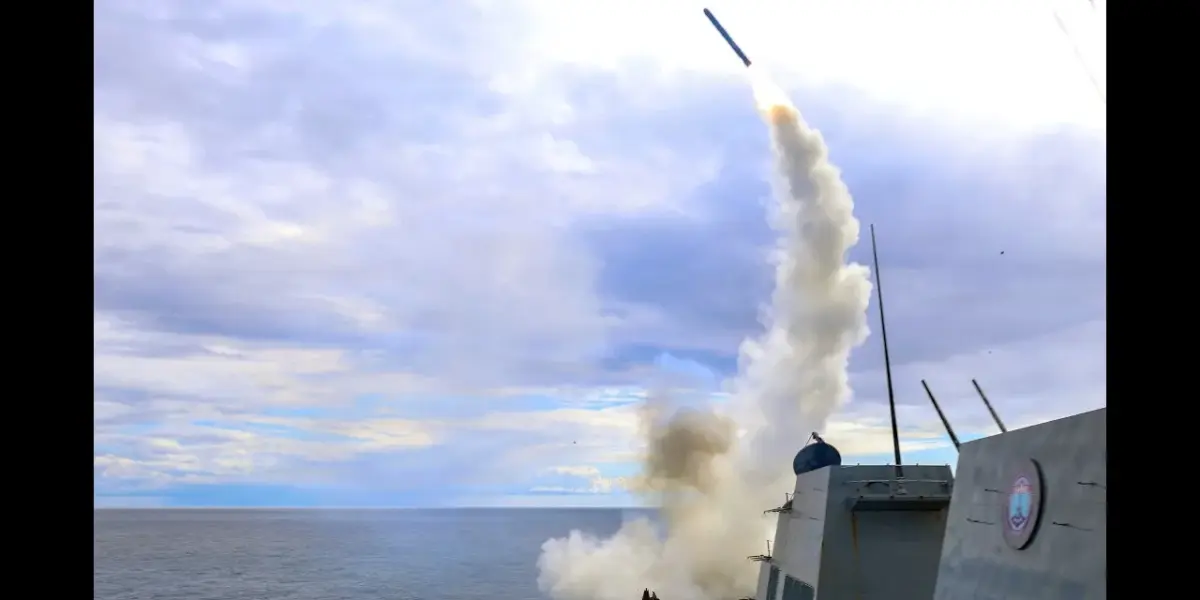
Iran’s Ideology Unchanged: People Must Reclaim Their Nation
President Trump has suggested that Iran’s new leadership has asked for a ceasefire. He indicated the U.S. would consider this if the Strait of Hormuz were reopened. Middle East affairs analyst Gerard Filitti discussed these points, offering insights into the complexities of the situation.
The Strait of Hormuz: A Matter of Principle, Not Necessity
The question of whether the U.S. needs the Strait of Hormuz open before ending any conflict is complex. America does not rely on oil from this vital waterway, as it produces enough for its own needs. However, the U.S. has a strong interest in ensuring free transit through the Strait, which is a matter of international maritime law. President Trump has urged NATO and other allies to help reopen the Strait. While he may not make this a strict condition for negotiations, keeping oil prices stable internationally and protecting global economies remains an important goal.
NATO’s Hesitation and Allied Relations
President Trump’s call for NATO countries to assist in reopening the Strait comes as he has also questioned NATO’s effectiveness, even suggesting he might withdraw the U.S. from the alliance. NATO allies have not responded as the U.S. might have expected. Spain, Italy, and France have placed restrictions on the use of their facilities by American forces for exercises against Iran. While these countries were not consulted before the U.S. began its actions, which understandably caused some frustration, their limited cooperation raises questions about allied solidarity. Maintaining strong relationships with allies requires careful balancing and ensuring all parties feel included in strategic decisions.
Short-Term Pain for Long-Term Gain
Jamie Dimon, CEO of JP Morgan, stated that successfully completing the current operations in the region is more important than short-term market reactions. With gas prices already high, this is a significant point. Filitti agrees, emphasizing the importance of the long-term outcome. If Iran’s current regime, particularly the IRGC, remains a threat, market instability will likely continue. Resolving the situation to achieve long-term market stabilization is crucial. While the Strait of Hormuz remains closed, the public will face higher gas prices and economic costs. However, these short-term sacrifices can be endured if they lead to a lasting solution, such as Iran rejoining the global free market.
Paths to Resolution and Transparency
President Trump has suggested the conflict could end within two to three weeks, but the path forward lacks transparency. While there are many ways to achieve an outcome, President Trump’s ultimate goals are not always clear beyond ending Iran’s regional threats and preventing nuclear weapons development. He could declare objectives met, halting further action while reserving the right to resume military operations if Iran attempts to develop weapons again. This would be an easy exit but would leave the region unstable and might appear as though the U.S. did not fully achieve its aims, which for many, would include regime change.
The Unchanged Ideology: A Persistent Threat
Despite changes in leadership, Iran’s core ideology has not shifted. The new regime, with different names but familiar players, has seen the IRGC strengthen its influence over the ruling religious establishment. This consolidation of power within the military, which has been linked to developing nuclear weapons and supporting terrorism, means the fundamental threat to the U.S. and the Middle East remains. Negotiating with new individuals does not change the underlying dangerous ideology.
Uprooting Ideology: The Role of the Iranian People
Addressing Iran’s ideology requires uprooting it at its source. Filitti believes this is ultimately the responsibility of the Iranian people themselves to reclaim their country. The U.S. is not seeking a prolonged military engagement, and NATO nations have not fully stepped up. However, Gulf countries like Saudi Arabia and the UAE recognize the threat Iran poses and are willing to assist. For lasting change in Iran, a completely new system is needed, one that ends the rule of the ayatollahs and the Islamic Republic. This would allow the people to build their nation freely. President Trump has often stated that the people of Iran have the power to take back their country.
Military Strategy: Air Power Over Ground Troops
The deployment of additional troops to the region is a subject of discussion, especially with threats against Iran’s infrastructure. From a military standpoint, air strikes targeting Iran’s energy production and infrastructure, like Kharg Island, would be the most effective way to counter ongoing threats. Such actions would inflict significant damage on Iran’s economy without requiring U.S. troops on the ground. However, this would also lower the standard of living for the Iranian people. Putting boots on the ground for operations like seizing Kharg Island would make soldiers targets for Iranian attacks. Ground forces might be used for specific, quick missions, such as securing nuclear materials or capturing key individuals, but a prolonged ground campaign is unlikely and militarily unsound.
Nuclear Ambitions: A Threat That Must Be Contained
The U.S. objective of preventing Iran from developing nuclear weapons remains critical. While President Trump has expressed a lack of concern about enriched uranium being buried deep underground, Filitti argues this is a mistake. Even if bunker-buster bombs seal the material, Iran could dig new tunnels to access it over time. This only buys time to strengthen military readiness. Ultimately, Iran must surrender its nuclear material or it must be acquired by force. As long as Iran possesses the capability, it remains a danger that they could refine the material and build nuclear weapons.
Source: Iranians ‘Have the Ability to Take Their Country Back’: Middle East Affairs Analyst (YouTube)

Related Articles


Oil Shock: Hormuz Closure Triggers Global Financial Crisis
A prolonged closure of the Strait of Hormuz could trigger a global financial crisis, leading to soaring energy prices, bond market instability, and a stock market crash. Analysts warn of potential job losses and asset devaluation, with limited safe havens for investors.


Trump Fires AG Bondi, Iran Tensions Rise, Artemis II Heads to Moon
Attorney General Pam Bondi has been fired by President Trump, with Deputy AG Todd Blanche stepping in as acting AG. Amidst rising oil prices and escalating tensions, the U.S. warns Iran as the Artemis II mission successfully heads towards the Moon. Golfer Tiger Woods was arrested for DUI and is stepping away for treatment.

Iran Downs US Jet, Escalating Mideast Tensions
Iran has reportedly shot down a U.S. fighter jet, prompting immediate search and rescue operations for the downed airmen. This incident significantly escalates regional tensions and could alter ongoing U.S. military plans against Iran. The event highlights the volatile nature of the Middle East and the potential for miscalculation.