Iran’s ‘Human Shields’: A Desperate Plea Amidst Trump’s Threats
Iran has called for citizens to form "human chains" around power plants amidst US threats. This tactic, using civilians as a protective barrier, raises ethical concerns and complicates potential military action. Limited internet access within Iran further obscures the situation.

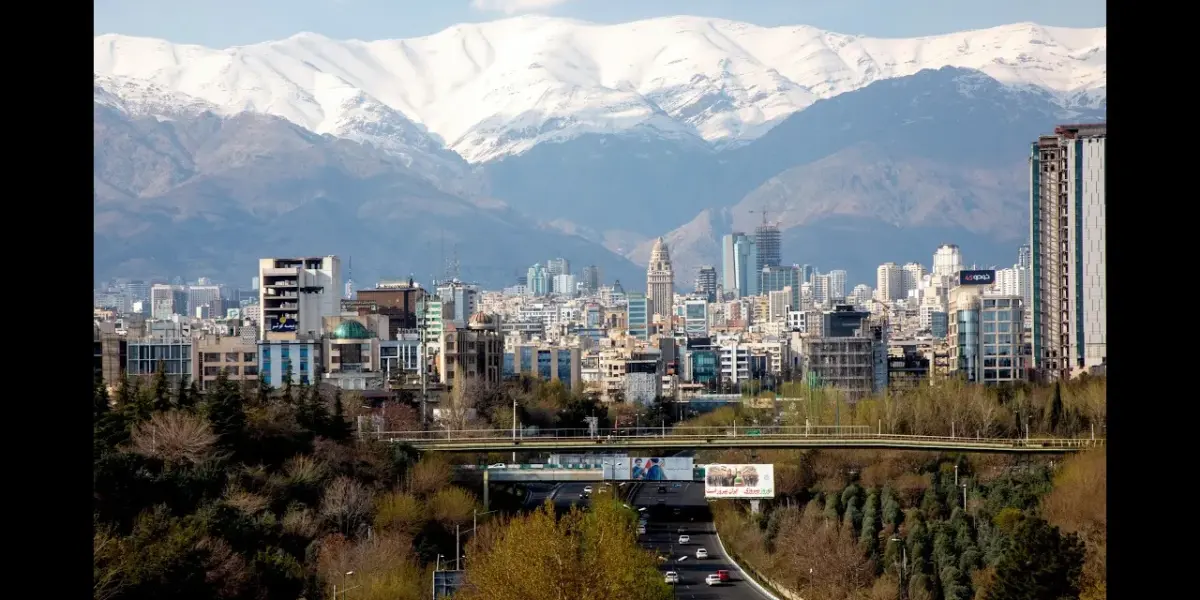
Iran’s ‘Human Shields’: A Desperate Plea Amidst Trump’s Threats
As tensions escalate between Iran and the United States, the Iranian government has called on its citizens to form “human chains” around the country’s power plants. This unusual request comes as President Trump has threatened to strike Iran’s infrastructure if a nuclear deal is not reached by a looming deadline. The move appears to be a stark signal of the regime’s strategy in the face of potential military action.
An Iranian minister responsible for youth affairs specifically urged young people to participate. This included athletes, artists, and students, highlighting a broad appeal across different sectors of society. The call suggests a desire to mobilize the population and use them as a protective barrier against potential attacks.
Limited Information Flow
Adding to the tension, internet access within Iran has been severely restricted. Authorities reportedly cut off connectivity when the conflict began. This means that many Iranians are receiving only limited information about the ongoing situation. Such control over information can shape public perception and reaction to government directives.
Historical Context: The Use of Human Shields
The concept of using civilians as human shields is not new in international conflicts. It has been employed by various groups and states throughout history to deter attacks on military or strategic sites. The idea is to make an area a “no-strike” zone, as attacking it would inevitably cause civilian casualties and draw international condemnation. However, this tactic is widely condemned by international law as a war crime, as it deliberately puts civilians in harm’s way.
In this particular instance, the Iranian government’s call for citizens to surround power plants is a clear attempt to invoke this strategy. Power plants are critical infrastructure, and any strike against them would have significant consequences for the civilian population. By positioning citizens around these facilities, Iran aims to deter an attack by raising the stakes for any military action.
Why This Matters
This situation highlights a critical dilemma in international relations. On one hand, President Trump’s administration has made it clear that it views Iran’s nuclear program and regional actions as a serious threat, leading to aggressive diplomatic and military posturing. On the other hand, Iran’s response, using its own citizens as potential shields, raises profound ethical and humanitarian questions. It forces a difficult choice for any nation considering military action: risk an attack on civilian populations or face the potential consequences of not acting.
The effectiveness of such a tactic is also debatable. While it may complicate military planning, it does not necessarily prevent attacks, especially if the attacking force is willing to accept the risk of civilian casualties or if the targets are deemed critical enough to warrant the action. Furthermore, it places an immense burden and danger on the very people the government claims to protect.
Implications and Future Outlook
The use of human chains, if widely adopted, could significantly complicate any potential military strikes against Iran’s infrastructure. It would make any attack a highly sensitive operation with a high risk of unintended civilian casualties, potentially leading to widespread international outcry. This could serve as a powerful deterrent, forcing a re-evaluation of military options by the United States.
However, it also risks escalating the conflict in other ways. It could be seen as a sign of desperation by the Iranian regime, potentially leading to miscalculations on either side. The limited internet access further clouds the situation, making it difficult to gauge the true public sentiment within Iran and the actual reach of the government’s call to action.
Looking ahead, the success of this strategy will depend on several factors. These include the willingness of the Iranian population to participate, the international community’s reaction to such tactics, and the resolve of the United States to carry out its threats. The situation remains fluid, with the potential for de-escalation through diplomacy or further escalation towards conflict.
Ultimately, Iran’s call for human chains is a desperate measure in a high-stakes standoff. It underscores the complex and dangerous dynamics at play, where civilian populations can become unwilling participants in geopolitical conflicts. The world watches, hoping for a diplomatic resolution that avoids the tragic consequences of such a confrontation.
Source: Iran Calls for 'Human Chains' Around Power Plants (YouTube)

Related Articles


Trump’s Iran Deal: Bold Tactics Yield Fragile Peace
A panel discusses President Trump's Iran ceasefire deal, a special election in Georgia, the DOJ's renewed fight against fraud, and Trump's relationship with Hungarian Prime Minister Viktor Orbán. Analysts debate Trump's negotiation tactics, the implications of the Georgia race, and the U.S.'s foreign policy stance.

Trump Halts Iran Attacks, Seeks Peace Deal
President Trump has agreed to a two-week suspension of attacks on Iran, contingent on Iran reopening the Strait of Hormuz. This move comes as the U.S. reports progress on a peace proposal and highlights the Iranian people's desire for freedom.

US, Iran Agree to 2-Week Ceasefire Centered on Strait of Hormuz
The U.S. and Iran have agreed to a two-week ceasefire, brokered by Pakistan, focusing on reopening the Strait of Hormuz. While a significant development, the deal's terms are complex and its fragility is a major concern due to the numerous actors involved.