Iran’s Houthi Gambit Signals Desperate Strategy
Iran's backing of the Houthis in the Middle East conflict signals growing desperation, according to expert David Worms. Limited resupply and potential U.S. and Israeli action could quickly diminish Houthi capabilities. Disruptions to Red Sea shipping pose significant global economic risks, while Iran's attempts to control waterways are seen as a step backward.

Iran’s Houthi Gambit Signals Desperate Strategy
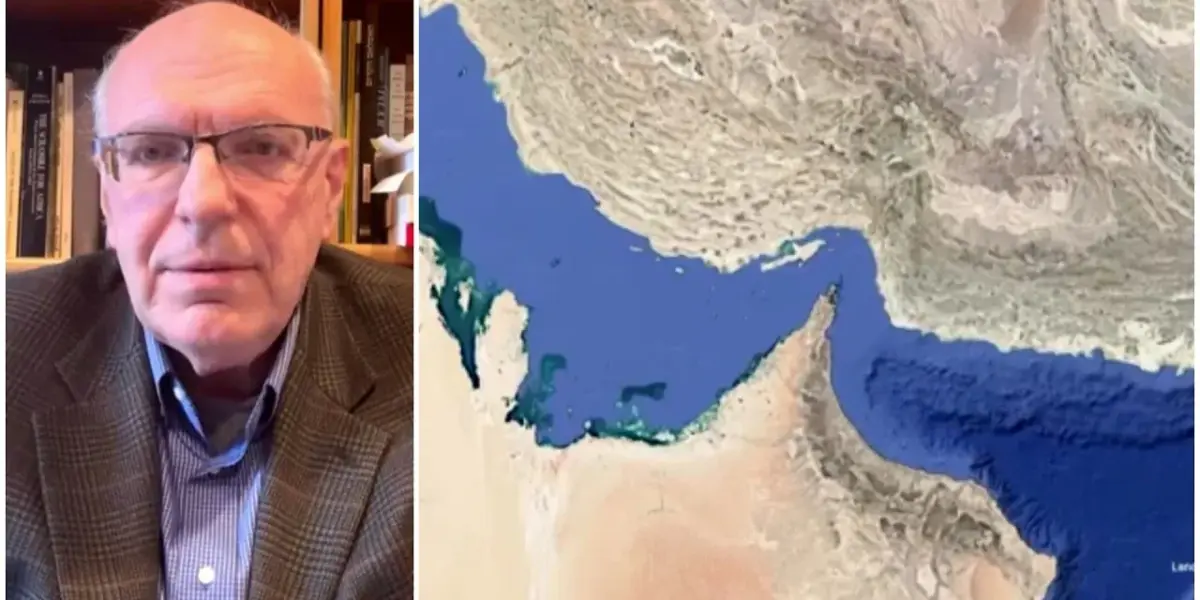
The recent involvement of the Houthi group in the ongoing Middle East conflict suggests a growing sense of desperation from Iran, according to David Worms, a senior analyst for Middle East affairs at the Center for Security Policy. Worms expressed surprise that the Houthis, whom he described as an extension of the Iranian military, did not join the conflict sooner. Their eventual participation, he believes, indicates that Iran is running out of options and is willing to employ its proxies more aggressively.
This move by Iran comes as its own military and industrial capabilities are reportedly being weakened. For the Houthis, this presents a significant challenge. While they may have access to weapons now, the ability for Iran to resupply them is severely limited. Each missile fired by the Houthis is one less in their dwindling arsenal. This limited supply, coupled with the presence of American and Israeli forces, and an alliance with countries like Somaliland, means that any threat posed by the Houthis is likely to diminish rapidly.
Economic Impact of Red Sea Blockade
If the Houthis were to succeed in constricting shipping in the Red Sea, the global economy could face significant consequences. The Bab el-Mandeb Strait, located between Yemen and Somaliland, is a crucial waterway. Saudi Arabia, for instance, ships about 7 million barrels of oil daily through this strait to reach Western markets, especially if the Strait of Hormuz is closed. A closure of the Bab el-Mandeb would disrupt oil supplies to Asia, creating a major problem for global energy markets. However, Worms suggested that such a disruption would likely prompt swift and aggressive action from countries like the United States and Israel to reopen the strait, given its economic importance.
Historical Precedents and Future Outlook
Worms recalled a similar situation in early 2025 when U.S. actions led to a temporary halt in Houthi attacks on shipping. He anticipates that the Houthis will face consequences for their actions, but immediate, large-scale intervention may not occur unless shipping is severely impacted. The priority for the U.S. and Israel, he noted, appears to be addressing Iran directly, viewing the actions in Lebanon and Yemen as distractions. While Israel is experiencing missile attacks from both Hezbollah and Yemen, its focus remains on Iran, and a similar approach is expected for Yemen. Worms believes that Yemen will eventually be dealt with decisively, but likely as one of the later phases of the broader conflict.
Lebanon Front and Iranian Control of Waterways
Regarding the situation in Lebanon, Worms suggested that Israel may be preparing to move its forces to the Litani River, about 12 to 15 kilometers into Lebanese territory. This area could be secured and held for many years until Lebanon can establish a functional government capable of controlling its borders and preventing cross-border attacks. This approach is compared to Israel’s long-term holding of the Golan Heights.
“What Iran is doing is it’s establishing the principle that it and it alone decides which ships go through the Gulf.”
Worms also addressed a recent report about Iran agreeing to allow more ships through the Strait of Hormuz, calling it a step away from peace. He argued that Iran is attempting to assert sovereign control over this international waterway, deciding unilaterally which ships can pass. This, he stated, is an effort to establish imperial control rather than a genuine step toward peace. This assertion of control is seen as particularly concerning in the context of the ongoing war.
U.S. Military Presence and Potential Escalation
The arrival of the USS Tripoli in the Middle East, carrying a significant number of sailors and marines, raises questions about potential U.S. ground troop deployment. Worms suggested that a continued Iranian attempt to establish sovereignty over the Persian Gulf could prompt the U.S. to use its forces. This might involve seizing strategic islands like the Tunbs or Abu Musa, which could help reopen waterways. Another potential target could be Kharg Island, a major oil export hub for Iran. Seizing such locations could effectively cut off Iran’s revenue, potentially leading to the destruction of the regime.
However, Worms cautioned against deploying troops to mainland Iran or its immediate coastlines. Such a move would make U.S. forces vulnerable to insurgencies, especially given the local population’s potential opposition to the Iranian regime. Islands, being more defensible and less prone to insurgencies, might be a more viable option. Nevertheless, he stressed the need for extreme caution, acknowledging the risks of escalation and the potential for guerrilla warfare if U.S. troops were deployed.
Why This Matters
The involvement of the Houthis and Iran’s assertive stance on controlling vital waterways signal a dangerous escalation in the Middle East. The potential economic fallout from disruptions in the Red Sea and the Strait of Hormuz could have far-reaching global consequences. The strategic decisions made by Iran, the U.S., and other regional powers will shape the future stability of the region. The analysis highlights the complex interplay of proxy warfare, economic pressure, and the potential for direct military confrontation, underscoring the precarious balance of power and the urgent need for de-escalation.
Implications, Trends, and Future Outlook
The current situation suggests a trend of Iran utilizing its proxies to exert influence and pressure, especially as its own capabilities are strained. This approach, while potentially creating regional instability, also exposes Iran to significant risks of direct confrontation. The U.S. appears to be adopting a strategy of deterrence and readiness, preparing for various contingencies while prioritizing the disruption of Iran’s strategic objectives. The future outlook involves a prolonged period of tension, with potential flashpoints in key maritime chokepoints and along regional borders. The possibility of limited U.S. military action, focused on strategic islands rather than mainland incursions, remains a significant factor.
Historical Context and Background
The Houthi movement has been a significant force in Yemen since the early 2000s, often seen as receiving support from Iran. Their conflict with the Saudi-led coalition, which began in 2015, has created a complex humanitarian crisis and a proxy battleground. The Strait of Hormuz has historically been a point of contention, with Iran frequently threatening to close it during periods of heightened tension with the West. Similarly, the Red Sea, particularly the Bab el-Mandeb Strait, is a critical artery for global trade, making any disruption there a matter of international concern. The current actions are unfolding against the backdrop of the wider Israeli-Palestinian conflict, which has also drawn in regional actors and heightened fears of a larger conflagration.
Source: Houthis Entering Middle East Conflict Hints at Iranian Desperation: Expert (YouTube)

Related Articles

Iran Mocks Trump: War Lies Exposed, Leaders Show Infantile Behavior
Iran is using memes to mock Donald Trump, portraying him as incompetent and childish. Reports suggest his military briefings were reduced to two-minute "snackables" of explosions, potentially hiding the full scope of the war. This approach raises concerns about serious decision-making and has led to a loss of public trust.

China Faces Tough Choice as Iran Demands Military Aid
China is facing a major foreign policy challenge as Iran demands military assistance. Beijing is reportedly disappointed with Iran's treatment of Chinese vessels in the Strait of Hormuz. China must balance its economic interests and global reputation.
Iran Under Fire: Massive Strikes Shake Regime
Iran is facing intense military action with Israeli and US forces striking numerous targets. These actions aim to disrupt Iran's nuclear program and military capabilities, while Iran retaliates with missile launches. The conflict is drawing in proxy groups, raising fears of a wider war.