Iran’s Hormuz Toll Likely to Stay After Conflict
A recent ceasefire has brought relief, but Iran's control over the vital Strait of Hormuz and potential for continued tolls remain significant concerns. Experts suggest that compromise will be key to a lasting peace, while oil markets grapple with ongoing supply disruptions despite the recent price drop.

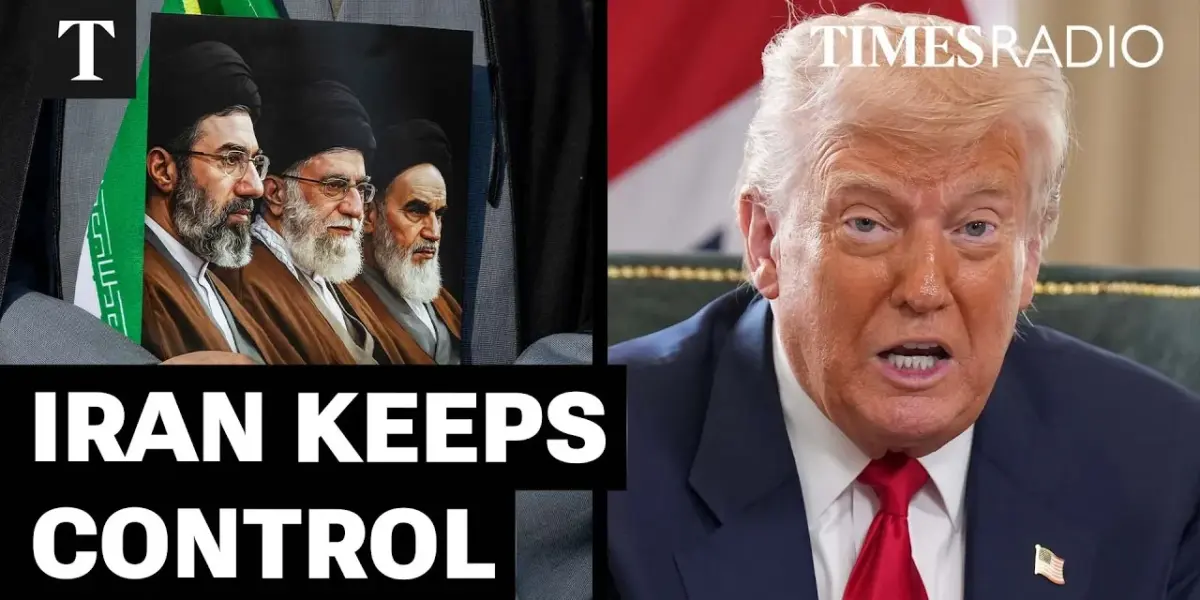
Ceasefire Offers Relief, But Hormuz Strait Control Remains
A recent ceasefire has brought a welcome pause to a tense conflict, offering relief to the region and the world. While hailed as a success, particularly for President Trump, the agreement has raised new questions about control over the vital Strait of Hormuz. Experts suggest that Iran’s leverage over this crucial waterway is likely to persist, potentially leading to continued tolls for passing ships.
The ceasefire, which Iran had previously resisted, aims to provide a guarantee that the conflict will not reignite. This development has eased fears of further escalation, with many, even within Trump’s own party, expressing relief that the situation did not worsen. Israeli Prime Minister Netanyahu’s support for the peace effort is also seen as a positive sign.
Compromise Needed for Lasting Peace
While the ceasefire offers a moment of respite, a lasting peace agreement will likely require significant compromise from all sides. The conflict, and particularly the closure of the Strait of Hormuz and subsequent attacks in the Gulf, has altered the negotiating landscape. This means that the United States and its allies may need to offer more favorable terms than previously considered.
Dr. Roxan Farman Farian, a lecturer in Middle Eastern politics at Cambridge University, explained that the recent hostilities have forced a new reality. “The Americans are going to have to compromise more,” she stated, highlighting a key shift in the dynamics of potential negotiations.
Iran’s Strait of Hormuz Toll: A New Reality?
A significant point of discussion is the possibility of Iran maintaining control over the Strait of Hormuz and continuing to charge tolls. President Trump himself has suggested that Iran could use these fees to fund reconstruction, implying a potential acceptance of this arrangement.
According to reports, Iran, along with Oman, could collect substantial revenue, possibly around $64 billion annually, from these tolls. The ceasefire agreement itself does not explicitly prohibit these charges. This leads experts to believe that Iran’s continued control over the strait is highly probable, serving as its primary leverage to prevent future conflicts or ensure adherence to any peace terms.
“The likelihood that Iran keeps control over that strait is high particularly since it is the only guarantee. It’s the leverage that Iran has to ensure that the war doesn’t start again or that the terms of whatever agreement they reach are not followed.”
Oil Prices React to Ceasefire, But Fundamentals Remain
News of the ceasefire saw oil prices drop below $100 a barrel, a welcome change from recent highs. However, Amina Baka, head of Middle East and OPEC plus insights at Kepler, cautioned that the fundamental issues remain unresolved. “Fundamentally nothing really has changed on the ground. We still have a big supply disruption and we’re yet to see the flows through Hormuz resume to their normal levels,” she explained.
The market experienced an immediate reaction, with prices falling from around $110 to the $90s. However, the significant volume of stranded crude oil and products in the Persian Gulf highlights the ongoing supply chain challenges. Restoring production levels and ensuring the free flow of oil will take considerable time.
Fragile Ceasefire and Alternative Routes
The current situation is described as fragile, with the potential for attacks to resume and disrupt oil flows once again. The two-week pause in hostilities is intended to allow ships to travel through the strait, but this is contingent on the cessation of attacks.
In response to the vulnerability of the Strait of Hormuz, many countries are exploring alternative routes. Building new pipelines to bypass the strait is a long-term solution that requires significant investment and years of development. Existing alternatives, such as the UAE’s route through Fujairah and Saudi Arabia’s East West pipeline, are expected to continue operating and may see expansion.
Long-Term Impact on Global Energy Markets
The conflict has starkly highlighted the world’s dependence on the Strait of Hormuz, through which approximately 30% of global seaborn oil and a fifth of the world’s liquefied natural gas pass. This has spurred a greater focus on diversifying energy supply routes and reducing vulnerability to supply shocks.
While the immediate impact on oil prices at the pump may take months to materialize due to the ongoing supply issues and market backwardation, the long-term implications are significant. The crisis may accelerate creative thinking and investment in alternative logistics and infrastructure, potentially leading to a more secure and constructive regional energy landscape in the years ahead.
The process of developing these alternatives will likely take years, but the recent conflict underscores the urgent need to invest in greater long-term security and resilience within global energy markets.
Source: US Must ‘Compromise’ With Iran’s Strait Of Hormuz Toll (YouTube)

Related Articles

Ukraine Strikes Russian Oil, Shifts War Dynamics
Ukraine's long-range drone strikes are disrupting Russian oil infrastructure, including a major refinery shutdown. Former CIA Director David Petraeus notes Ukraine is shifting the war's dynamics, potentially taking the "upper hand" through technological innovation despite Russia's manpower advantage. This escalation coincides with Ukraine's ceasefire proposal and a critical bottleneck in its own drone engine production.
US Eyes Iran’s Oil: A Risky Ground Game
Discussing the idea of the U.S. taking Iran's oil, this analysis breaks down the geographic and political challenges. Iran's energy resources are concentrated in two key areas, each presenting unique difficulties for occupation. The potential for a humanitarian crisis and the lessons learned from past interventions in Iraq highlight the risks involved.


Democrats’ ‘Seditious Six’ Video Sparks Outrage
Democrats' 'Seditious Six' video, encouraging troops to disobey orders, sparks outrage and accusations of being 'un-American.' The controversy unfolds amid discussions on Iran policy and federal scrutiny of sanctuary cities. Meanwhile, the DOJ announces major strides in combating taxpayer fraud, recovering over half a billion dollars.