Iran’s Hormuz Strait Threat Gives Tehran Leverage
Former Defense Secretary Leon Panetta highlighted that Iran's threat to the Strait of Hormuz gives the nation significant leverage in negotiations. He stressed that ending wars is far more complex than starting them and advocated for a negotiated settlement focusing on key issues like cease-fires and nuclear proliferation.

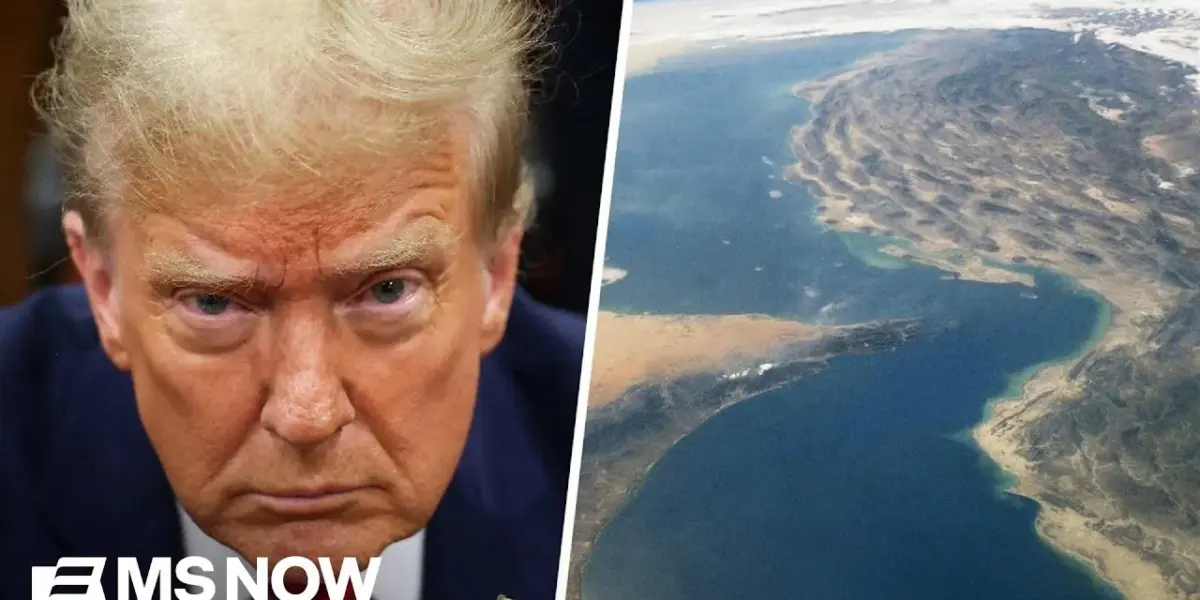
Panetta: Iran’s Hormuz Strait Threat Gives Tehran Leverage
Former Secretary of Defense Leon Panetta stated that Iran’s ability to threaten the Strait of Hormuz gives the country significant leverage in negotiations. The comments came amid discussions about the ongoing conflict in Iran and the U.S. approach to ending it. Panetta emphasized that ending wars is far more complex than starting them, a lesson he believes the U.S. has not fully learned.
Alliances Crucial for Global Leadership
Panetta began by highlighting the historical importance of U.S. alliances, stretching back to World War II and continuing through the post-war era. He explained that building and strengthening alliances, like NATO, has been key to American world leadership. This collaborative approach has traditionally been the preferred method for confronting security threats to the U.S. and its partners. However, he noted that the U.S. has, to a large extent, impacted these long-term relationships and is now facing the Iran conflict largely alone.
Push for Swift End to Conflict
Citing a Wall Street Journal report, Panetta mentioned that President Trump has expressed a desire for a speedy end to the conflict. The President reportedly urged advisors to adhere to an initial timeline of four to six weeks, suggesting the war could conclude within about 16 more days. Panetta questioned whether a president can simply dictate the end of a war, drawing on his experience.
The Difficulty of Ending Wars
“It’s always easy to start a war. It’s never very easy to bring that war to an end,” Panetta stated, calling this a lesson that should have been learned from past conflicts. While he supports the president’s desire to end the war, he believes the U.S. faces a fundamental choice: negotiate an end or continue a prolonged conflict. Panetta advocates for a negotiated approach, which he believes requires significant capability from negotiators and an “off-ramp” to establish a temporary cease-fire.
Key Negotiation Points
According to Panetta, successful negotiations must focus on a tight list of key issues, not an extensive one. These critical points include establishing a permanent cease-fire, preventing Iran from developing nuclear weapons using enriched fuel, ensuring the Strait of Hormuz remains open and operational, and addressing sanctions relief for Iran, including compensation for war damages. He stressed the need for engagement and warned that continuing the war, especially with further casualties, could sow the seeds for a more permanent conflict.
Word Games and Reality
The discussion also touched on the administration’s reluctance to label the situation a “war,” potentially to avoid seeking formal authorization from Congress. Panetta dismissed this as playing “word games.” He argued that regardless of the label, U.S. service members are deployed into harm’s way, with their lives on the line and casualties already incurred. He stressed that when troops’ lives are at risk, there must be clear objectives and an “end game.”
Strait of Hormuz: Iran’s Leverage
Panetta explained that even if military objectives have been met, such as destroying Iran’s ability to conduct war in the region, the continued closure of the Strait of Hormuz causes significant damage. This situation, he noted, “frankly gives Iran some leverage here in terms of negotiations.” Therefore, finding a way to reopen the Strait is crucial. He concluded that bringing the war to an end will require substantial work, a new will, and honesty with the American people about the challenges faced, rather than pretending it is not a war.
Looking Ahead
Panetta’s remarks underscore the complex diplomatic and military challenges facing the U.S. in Iran. The focus now shifts to whether the administration will prioritize negotiation and alliance-building over a protracted military engagement. The ability to secure a cease-fire, address Iran’s nuclear ambitions, and reopen vital shipping lanes like the Strait of Hormuz will be critical indicators of future progress.
Source: Strait of Hormuz being blocked 'gives Iran leverage': Fmr. Defense Secy. Panetta (YouTube)

Related Articles

U.S. Iran Tensions Rise Amid Shifting Alliances
Rising tensions between the U.S. and Iran are creating a volatile geopolitical situation. With conflicting signals on de-escalation and potential shifts in alliances like NATO and U.S.-Israel relations, the path forward remains uncertain. The global economy and regional stability hang in the balance.

Trump Halts Iran Strikes Amid Stalled Diplomacy
President Trump announced a pause on planned strikes against Iran, citing productive talks, though Iran denies negotiations occurred. Reports also suggest a potential U.S. ground operation on Iran's Hark Island. The situation raises concerns about international support for Ukraine and potential shifts in U.S. foreign policy.

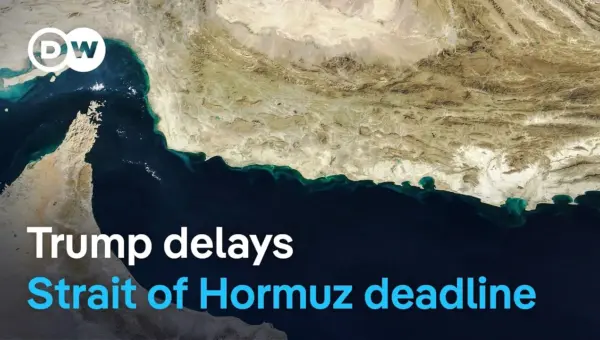
Trump Delays Iran Strike Deadline Amidst Shifting Diplomacy
President Donald Trump has extended his deadline for potential strikes on Iranian energy plants to April 6th, amid reports of U.S.-Iran diplomatic talks mediated by Pakistan. This move comes as Israel continues its strikes on Iran and the U.S. deploys additional military assets to the region. Analysts point to mixed signals, economic pressures, and strategic miscalculations as key factors shaping the evolving situation.