Iran’s Gray Fleet Patrols Strait of Hormuz
A cargo ship's journey through the Strait of Hormuz on March 26, 2026, revealed heightened tensions and the presence of an "unmarked gray fleet." The captain noted military patrols but felt isolated, highlighting the ongoing risks in this vital global shipping lane.

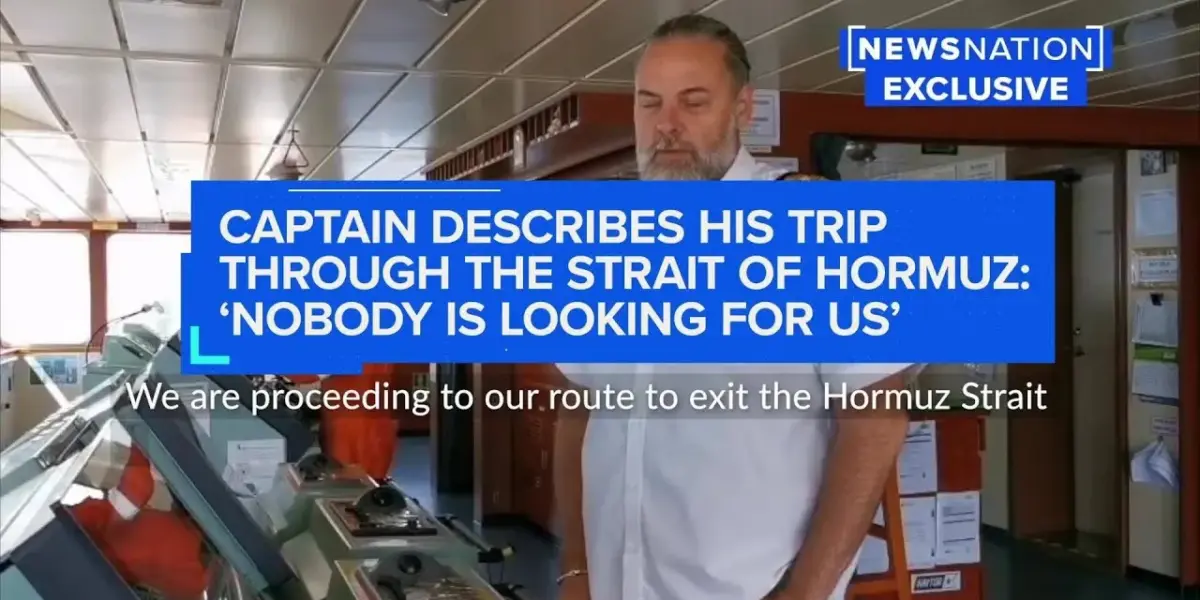
Iran’s Gray Fleet Patrols Strait of Hormuz
On March 26, 2026, a cargo vessel navigated the Strait of Hormuz, a vital global waterway. The captain reported seeing the wreckage of a previous ship, the Thailand Anglati, hit by rockets. This stark reminder highlighted the risks in the region. The vessel was moving along the Iranian coast, within 12 nautical miles. It had waited for permission to pass through the strait. Last-minute instructions told them to stop and wait until morning. This added to the tension for the crew.
Navigating Dangerous Waters
As the ship moved deeper into the Persian Gulf, military speedboats passed by. The crew observed these boats closely. They felt watched by the military vessels. However, they also felt a sense of isolation. The captain noted, “Nobody is looking for us.” This suggests a feeling of being alone in a potentially hostile environment. Many other ships were also waiting. They were waiting to enter the strait or to load cargo. These included vessels from the “Chinese unmarked gray fleet.” This fleet is not officially recognized and operates with less transparency.
The Strait of Hormuz: A Global Chokepoint
The Strait of Hormuz is extremely important for global trade. About 20% of the world’s oil passes through this narrow waterway every day. Any disruption here can significantly impact oil prices worldwide. Iran has often threatened to close the strait. This threat is a major concern for countries that rely on oil imports. The presence of military vessels and the wreckage of attacked ships show the ongoing risks. The “Chinese unmarked gray fleet” suggests a growing presence of Chinese interests in the region. These ships may be involved in oil transport or other commercial activities.
Geopolitical Interests at Play
Iran views the Strait of Hormuz as crucial for its own security and economic interests. It uses its control over the strait to exert influence in the region. The presence of its military forces is a show of power. For China, the strait is vital for its energy imports. A significant portion of China’s oil comes through this route. Therefore, ensuring safe passage is a top priority for Beijing. The United States and its allies also have a strong interest in keeping the strait open. They aim to ensure stable oil supplies and counter Iranian influence. The mention of “military speeds” suggests patrols by various navies. These patrols are meant to deter aggression and protect shipping. However, the captain’s feeling of being “unlooked for” implies that even with patrols, individual vessels might feel vulnerable.
Historical Context and Future Scenarios
Tensions in the Strait of Hormuz are not new. Throughout history, this area has been a focal point of conflict and strategic competition. Past incidents, like the attack on the Thailand Anglati, show the real dangers. The “gray fleet” concept is also not entirely new. It refers to vessels operating outside normal international shipping channels. This can be for various reasons, including avoiding sanctions or engaging in clandestine trade. Looking ahead, several scenarios are possible. One is continued low-level tension, with occasional incidents and heightened security. Another is a more serious escalation, potentially involving direct confrontation. This could lead to significant disruptions in global oil markets. A third scenario involves increased diplomatic efforts to de-escalate tensions. This could lead to agreements on safe passage and reduced military posturing.
Global Impact
The situation in the Strait of Hormuz has far-reaching consequences. Any disruption affects global energy markets. This can lead to higher prices for consumers everywhere. It also impacts international trade routes. Businesses that rely on shipping could face delays and increased costs. The presence of the “gray fleet” also raises questions about international law and accountability. When unmarked vessels are involved in incidents, it becomes harder to assign blame. This can further complicate diplomatic efforts. The strategic importance of the strait means that major global powers will continue to monitor it closely. Their actions will shape the future of this critical waterway.
Source: Captain describes his trip through the Strait of Hormuz: ‘Nobody is looking for us’ | NewsNation (YouTube)

Related Articles
US Weighs Iran Strategy: Hormuz Strait’s Fate Uncertain
The United States is reportedly reconsidering its strategy in the Iran conflict, potentially willing to end hostilities even if the Strait of Hormuz remains closed. This critical oil choke point's closure has trapped thousands of vessels, causing global economic disruption and raising questions about U.S. war objectives. Military action remains a strong possibility to reopen the vital waterway.


Hegseth Undermines Trump’s War Plans Daily
Pete Hegseth, Trump's Secretary of Defense, is reportedly undermining the former president's stated war plans with Iran. Conflicting timelines, shifting objectives, and ethical questions surrounding financial dealings create significant uncertainty. This situation highlights the challenges of clear communication and strategic consistency in national security.


Iran’s Strategy: Humiliate the West, Cause Global Pain
Iran's leaders are reportedly using energy and fertilizer shortages to inflict global pain and humiliate the West. This strategy could lead to a harsh winter for Europe and food crises worldwide. The situation raises concerns about potential military escalation.