Iran’s Future Uncertain Amidst Potential Regime Collapse
The potential collapse of Iran's regime could lead to significant political and societal challenges, including the risk of national fragmentation. Despite calls for regime change, entrenched security forces and Iran's diverse ethnic landscape suggest a complex and uncertain future.

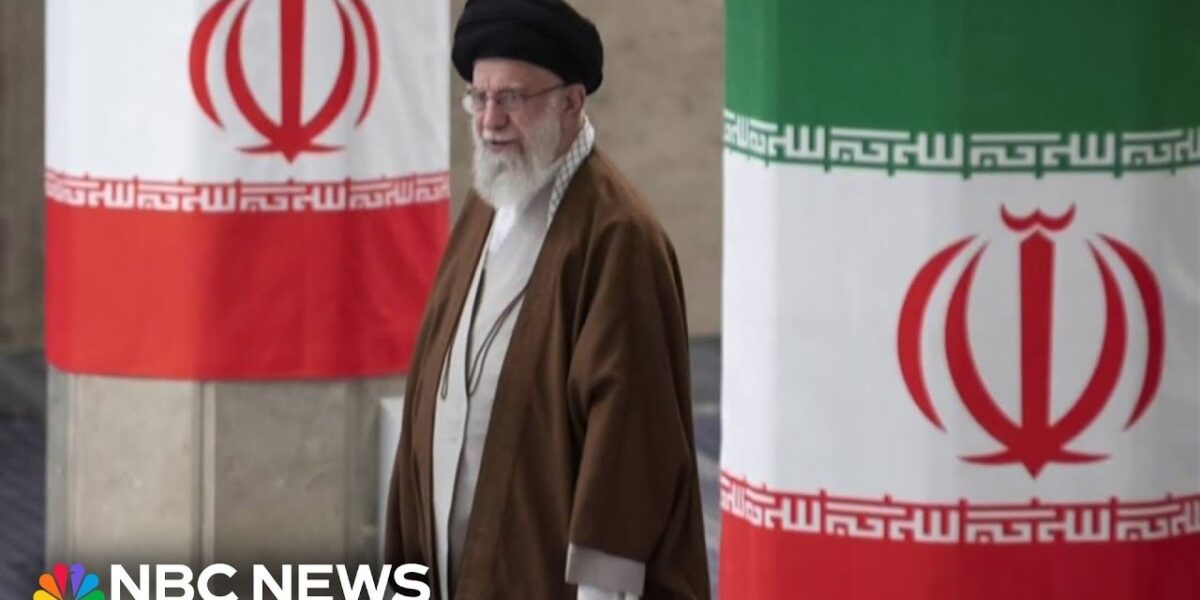
Iran Faces Complex Future If Regime Collapses
The potential collapse of the Iranian regime presents a deeply complex and uncertain future for the nation, with significant political and societal challenges anticipated. While external actors like President Trump and Prime Minister Netanyahu have called for regime change, the reality on the ground suggests a far more protracted and potentially fragmented process than a swift transition to a Western-friendly government.
A Nation of Diversity and Division
Iran is a vast country, home to approximately 90 million people and comprised of numerous ethnic groups. This diversity raises the specter of fragmentation should the central government falter. Experts caution that the state may not collapse in one cohesive piece. Instead, there is a significant possibility of the country dividing into distinct regions, potentially leading to the emergence of autonomous areas for ethnic minorities such as Kurds, Baluchis, and Arabs along the border with Iraq.
“It is not at all guaranteed that if the state collapses, it collapses in one piece. You could see Iran divide into pieces. You could see a Kurdish section, you could see a Baluchi section. You could see an Arab section close to the border with Iraq. There are many different groups that that might try and carve out their own autonomous area,” highlights the precariousness of the situation.
Security Forces Remain a Dominant Factor
Despite potential internal dissent or external pressure, the Iranian state apparatus, particularly its security forces, remains a formidable obstacle to immediate regime change. The transcript indicates that police, Basij forces, and the Revolutionary Guards – described as “shock troops” – are still present on the streets. In fact, their deployment has reportedly been increased since the onset of recent operations.
This strong security presence makes it exceedingly difficult, if not impossible at this stage, for citizens to openly challenge the government. “It is very difficult, if not impossible at this stage for Iranians to go out and try and take control of, of government buildings or, or arm themselves,” the transcript notes, underscoring the immediate challenges to any popular uprising.
Regime Change: A Difficult and Protracted Process
The notion of swift regime change is further complicated by Iran’s historical context and internal dynamics. The objective of regime change, whether by external or internal forces, is acknowledged as an “incredibly difficult process.” It is not a scenario that can be achieved through a few isolated actions over a short period.
The transcript emphasizes that even if high-ranking officials, such as the Supreme Leader and senior advisors, were incapacitated, it would not automatically lead to the collapse of the entire system or its replacement by a new, Western-aligned government. The existing power structures and security forces are deeply entrenched, suggesting that any transition would likely be a long and arduous struggle.
The Call for Action vs. The Reality on the Ground
While leaders like Prime Minister Netanyahu and President Trump have publicly called for the Iranian people to rise up and seize control, the practicalities of such an endeavor are immense. The call for action from afar contrasts sharply with the reality faced by ordinary Iranians, who would need to overcome a heavily armed and mobilized security apparatus.
“Calling for it from afar and actually going out onto the streets and trying to take over government positions and government ministries and holding them, is a is…” The sentence trails off, implying the immense chasm between such calls and the feasibility of their execution given the current security posture in Iran. The potential for armed conflict and widespread instability looms large in such a scenario.
Looking Ahead: What to Watch
The coming days and weeks will be crucial in observing how the situation evolves within Iran. Key factors to monitor will include the continued deployment and actions of Iranian security forces, any signs of organized internal dissent, and the international community’s response. The potential for ethnic groups to assert their autonomy, the resilience of the existing regime, and the capacity of any opposition movements to mobilize effectively will all shape the future trajectory of Iran. The path forward is fraught with uncertainty, with the possibility of both fragmentation and continued authoritarian control remaining significant outcomes.
Source: Iran could face political and societal challenges if the regime collapses (YouTube)

Related Articles
US Regime Change Efforts: A History of Tactical Wins, Strategic Losses
A comprehensive review of U.S. interventions reveals a consistent pattern: while the United States is adept at tactically removing foreign governments, achieving strategic success—the establishment of stable, legitimate political orders—has proven exceedingly difficult. Historical analysis points to unintended consequences and long-term instability as common outcomes.


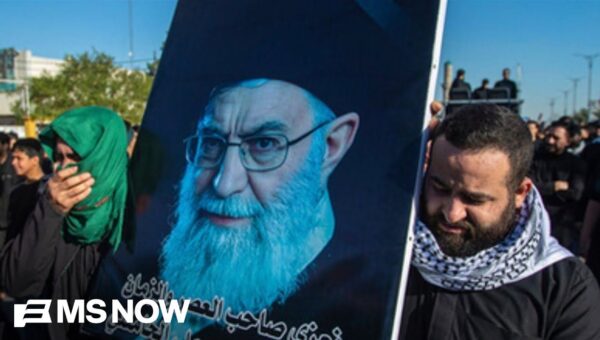
Thousands Mourn Khamenei, Chant ‘Death to America’ in Iran
Thousands gathered in Yazd, Iran, to mourn Supreme Leader Ayatollah Ali Khamenei following reported U.S. and Israeli strikes. The mourning ceremony was marked by chants of "Death to America," highlighting deep-seated anti-American sentiment amid geopolitical tensions.


Middle East Crisis Triggers Global Chaos: Flights, Oil Prices Hit
A major global crisis has erupted following coordinated strikes on Iran, triggering a massive retaliatory response that has impacted multiple countries across the Middle East. The large-scale attacks have caused widespread aviation chaos and pose significant risks to global energy markets and financial stability.