Iran’s Future Uncertain After Ayatollah’s Death: Analyst’s View
Following Ayatollah Ali Khamenei's death, journalist Jason Rezaian, a former Iranian political prisoner, urges focus on the plight of remaining hostages and the need to empower Iran's opposition. He stresses that while the regime is weakened, its repressive systems remain, and true change requires credible tools and restored communication for the Iranian people.

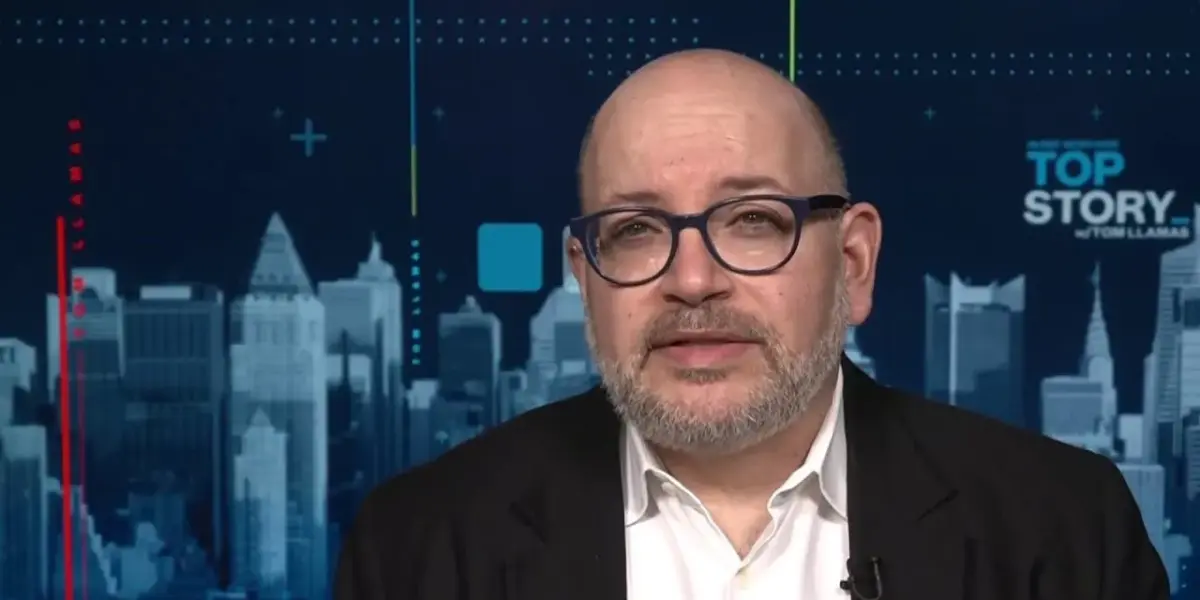
Iran Faces Uncertain Future After Top Leader’s Death
The recent death of Ayatollah Ali Khamenei has plunged Iran into a period of profound uncertainty, with analysts and observers closely watching for signs of change within the entrenched regime. Jason Rezaian, a journalist who endured 544 days of imprisonment and psychological torture in Iran’s notorious Evin Prison, shared his insights on the implications of Khamenei’s demise, emphasizing the deep-seated nature of the Iranian system and the critical need for international support for the country’s opposition.
Lingering Concerns for Political Prisoners
While the news of Khamenei’s death may elicit celebratory responses from some, Rezaian immediately pivoted the conversation to a more immediate humanitarian concern: the fate of political prisoners and hostages still held within Iran. He highlighted the ongoing plight of individuals, including six Americans, who remain incarcerated in the same facilities where he was held. “I’m thinking a lot about the political prisoners and hostages who remain in the very same prison where I was being held in prisons all throughout Iran,” Rezaian stated. “I think that’s a humanitarian catastrophe that no one is talking about, but is on the verge of happening if it’s not happening already.”
A System Intact, Though Weakened
Rezaian cautioned against viewing Khamenei’s death as an immediate end to the current political order. He described the Iranian system as “entrenched” and one that has “been ruling this country ruthlessly with an iron fist.” While acknowledging that the regime may be “weakened” by the loss of its symbolic leader, he stressed that the underlying systems of repression remain intact. “Just because that symbolic leader, the face of this, the main repressor in many ways, is no longer there. Those systems of repression are still there,” he explained. He suggested that for Iran to evolve into a society that can leverage its rich history and human capital, it must “open up,” whether willingly or by external pressure, though he expressed skepticism about the effectiveness of aerial bombardments as a catalyst for regime change.
The Path to Change: Empowering the Opposition
Addressing the question of how change can occur in a country where the opposition is heavily silenced and the populace is not armed, Rezaian emphasized the necessity of providing credible tools to the Iranian people to combat the repressive state apparatus. He criticized the current approach, noting that pronouncements of support from foreign leaders, without concrete actions, are insufficient. “When President Trump, for example, says, you know, we’ve got your back and it’s now time for you to go out and take over, take your country back with what defenses?” he questioned. Rezaian believes that while the opposition may be fragmented and has faced numerous setbacks, the desire for change within Iran is palpable. He urged the United States and its allies to focus on cultivating this internal movement.
Facilitating Communication and Organization
A critical component of supporting change, according to Rezaian, is restoring and enhancing communication channels. He pointed to the consistent internet shutdowns experienced by Iranians, particularly during protests and in the immediate aftermath of significant events. “We have to help them get organized. And as you know, the internet is down. Communications between people inside the country, let alone with the outside world, have been cut off in the last few days, but also during the protests of several weeks ago,” he observed. He suggested that providing reliable internet access, such as through Starlink terminals or enabling direct-to-cell access via congressional legislation, is paramount. “If we get them back online, help them organize, connect with Iranian dissidents inside the country and those living in exile, and come up with a real plan of what a way forward could look like. There’s certainly hope,” he asserted.
The Role of Foreign Powers and Strategic Decisions
Rezaian speculated on the motivations behind the timing of the strike that led to Khamenei’s death, suggesting that Israel likely played a significant role in influencing the decision. He also expressed doubt that President Trump initially intended to engage in a direct conflict, perhaps being persuaded by an oversimplified notion of a swift resolution, drawing a parallel to the situation in Venezuela, which he noted is far from resolved. “The idea that killing the leader would end it was a fallacy to begin with,” Rezaian stated, questioning the solidity of the intelligence behind such a strategy. He also raised important questions about the extent to which foreign powers should dictate the future of a nation as significant as Iran.
Hope Amidst Pragmatism
Despite the daunting challenges, Rezaian maintained a sense of hope for Iran’s future, rooted in the country’s rich history, civilization, educated populace, and natural resources. He recalled feeling hopeful for Iran’s future for the first time since his release during earlier anti-regime protests sparked by economic difficulties. However, he tempered this hope with a pragmatic assessment of the current situation. “I have to be hopeful. At the same time, I have to be honest. And the reality is that I don’t think that we’ve armed the people of Iran,” he concluded. He stressed that the current moment presents an opportunity to move beyond symbolic gestures and implement concrete measures to support the Iranian people in their pursuit of a better future, a process he believes will be ongoing and requires sustained international commitment.
Source: Journalist Jason Rezaian speaks on death of Ayatollah and future of Iran (YouTube)

Related Articles


Trump Blasts Allies in Oval Office, Allies Seek Iran, Ukraine Support
President Donald Trump publicly criticized Spain and the UK during a meeting with German Chancellor Angela Merkel, while Merkel sought progress on Iran, Ukraine, and trade. The encounter highlighted unresolved tensions on defense spending and tariffs, leaving key issues uncertain.

Russia Warns of WWIII as US Prepares Iran Strikes
Russia has issued a stark warning of potential World War III amid escalating U.S.-Iran tensions. Meanwhile, the United States is reportedly preparing for a significant escalation of strikes against Iran, aiming to degrade its military capabilities. Diplomatic efforts are underway as regional powers seek de-escalation.

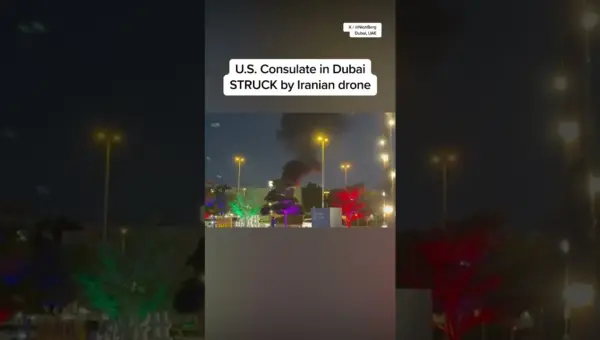
Iran Drone Strikes U.S. Consulate in Dubai; Personnel Safe
An Iranian drone has struck the U.S. Consulate in Dubai, with eyewitness videos confirming the attack. U.S. Secretary of State Marco Rubio has assured that all personnel are safe following the incident. The strike marks a significant escalation of regional tensions.