Iran’s Future Leader: Can Reza Pahlavi Unite a Divided Nation?
Iran faces a critical leadership vacuum following the assassination of Supreme Leader Ayatollah Alami. As speculation mounts over a successor, with Khamenei's son and Hassan Humeni as contenders, exiled figure Reza Pahlavi also emerges. Activists highlight deep divisions within the nation, questioning the likelihood of a peaceful transition and the viability of Pahlavi's leadership.

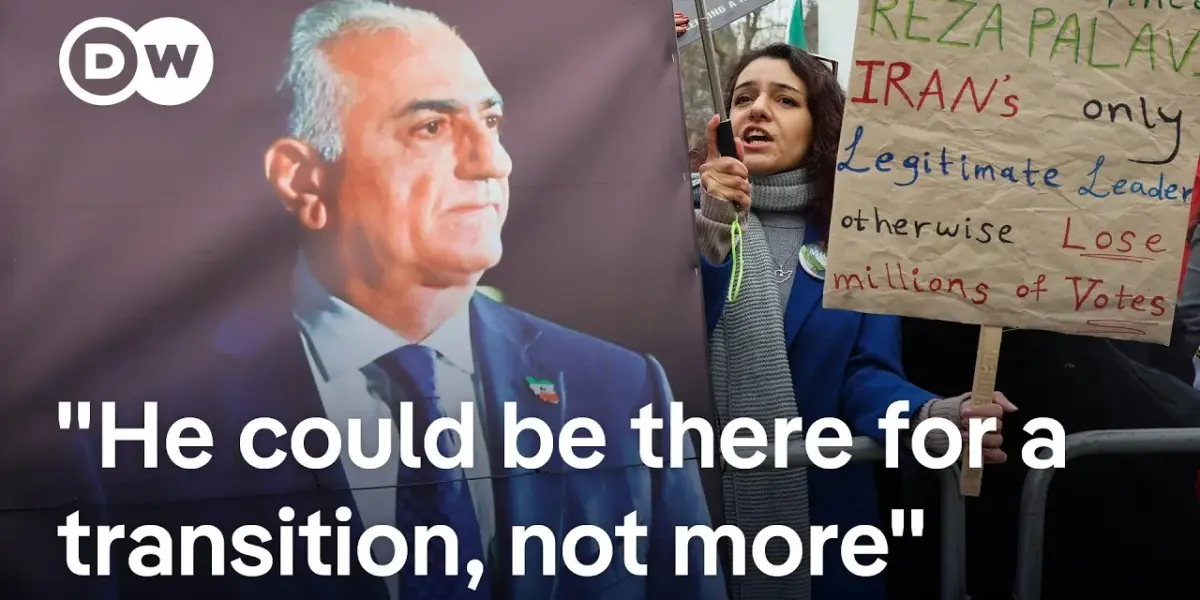
Iran Grapples with Leadership Vacuum After Supreme Leader’s Assassination
In the wake of a devastating joint US-Israeli strike during the ongoing war, Iran finds itself in a critical leadership transition. The assassination of Supreme Leader Ayatollah Alami, an 86-year-old figurehead, has plunged the nation into uncertainty, necessitating the selection of its third supreme leader. The state funeral, initially scheduled, was postponed due to an overwhelming public response, highlighting the profound impact of Alami’s death.
Succession Speculation: Khamenei’s Son or a Reformist Alternative?
Amidst the turmoil, speculation is rife regarding the successor. Ayatollah Alami’s second son, Much Ham, is widely considered the frontrunner, with sources indicating his selection by Iranian authorities. However, official confirmation remains elusive as the country navigates the immediate crisis of war and internal upheaval. This potential continuation of a dynastic succession raises concerns among international observers and segments of the Iranian population.
Adding another layer to the succession debate is Hassan Humeni, grandson of the Islamic Republic’s founder, Ayatollah Humeni. Viewed as a more moderate and reformist figure, he presents an alternative to the hardline path. His potential rise offers a glimmer of hope for those seeking a departure from the current regime’s policies.
International Concerns and Internal Dissent
The strategic implications of Iran’s leadership change have not gone unnoticed by global powers. Former US President Donald Trump has expressed worries about a hardliner potentially succeeding Alami, emphasizing the need for a successor who does not perpetuate the current regime’s policies. “The worst case would be we do this and then somebody takes over who’s as bad as the previous person, right? That could happen,” Trump stated, underscoring the delicate balance of power and the potential for instability.
Meanwhile, Israel has issued stark warnings, threatening to assassinate whoever is chosen by the current regime, signaling a hardline stance and a willingness to escalate the conflict. This external pressure adds to the internal complexities Iran faces.
Reza Pahlavi: A Contender or a Symbol of the Past?
On the opposition front, Reza Pahlavi, the exiled son of Iran’s last Shah, has emerged as a prominent voice, positioning himself as a potential leader for a post-clerical Iran. However, his candidacy is met with significant skepticism. Critics point to the historical unpopularity of the monarchy, which was widely hated by many Iranians. While Pahlavi represents a vision of a secular, democratic Iran, the question remains whether he can bridge the deep divisions within the country and overcome the legacy of his family’s rule.
Aba Shakib, an Iranian-German filmmaker, writer, and political activist, shared her perspective on the situation: “The best case scenario is that the decapitation strategy that the United States and Israel are pursuing creates such a vacuum at the top that you you need really a new set of leaders to come in. A very different set of leaders to come in.” She further elaborated on the deep-seated desire for change within Iran, stating, “Some people are even happy as you just said and you show in your news. Um um and it only shows how desperate the situation has been in Iran that people are able to be happy about the death of a criminal.”
The Reality on the Ground: Fear and Hope
Shakib painted a grim picture of the current situation within Iran, describing the desperate measures taken by the government. “The government has opened the prison tracked 209 where political prisoners are being held have been held and they have taken out the prisoners and spread them um in the um offices in the um institutions where the basie themselves are where the criminals are to be protected by the uh prisoners.” She highlighted the dire conditions, with prisoners left without adequate food or services, underscoring the regime’s ruthlessness.
Communication with family members inside Iran remains difficult, with messages often left in hope of a reply. “Everybody is very scared. Um but of course everybody hopes also that these criminals will be gone,” Shakib conveyed, reflecting the pervasive fear mixed with a persistent hope for liberation.
Navigating a Fractured Landscape: Democracy vs. Hardliners
The conflict within Iran is characterized by a stark divide. Shakib identified two primary factions: those who still support the government, clerics, and the existing regime, and those who advocate for democracy. “I think it’s these two um fractions. And um we can we can roughly say about 15 million people are still behind um the government and about 75 million people are for democracy,” she explained. However, she cautioned that the pro-democracy faction remains in a weaker position, lacking the arms, economic control, and influence held by the estimated 15 million supporters of the current regime.
This power imbalance raises serious questions about the feasibility of a peaceful transition. Shakib emphasized the importance of external powers not falling for the regime’s deceptions: “Whatever this regime says, no matter who is the next person or who will be the next people in power, never ever to be trusted. They all have blood on their hands.”
The Path Forward: A New Beginning or Continued Turmoil?
The question of who will lead Iran into its next chapter remains open. While Reza Pahlavi is seen by some as a potential transitional figure, his ability to govern long-term is doubted. Shakib stated, “If at all he finds an opportunity to go back into Iran and to lead um the next um um um um government in Iran, then only as a transition force, but not as a permanent um ruler of the country.”
The prospect of returning to Iran for activists like Shakib is fraught with danger. “Being outside of Iran and being active against the government and for democracy has put us in a very dangerous um place and we are not welcomed in Iran,” she admitted. The lingering anger from those who supported the old regime could pose a threat even after a potential change in power.
Ultimately, the future of Iran hinges on the ability of its people to forge a new path amidst the ashes of conflict and political upheaval. The international community watches closely, hoping for a stable and democratic transition, while acknowledging the immense challenges that lie ahead. The coming weeks and months will be crucial in determining whether Iran can overcome its deep divisions and emerge as a unified nation.
Source: Why Pahlavi is probably not the person to lead Iran | DW News (YouTube)

Related Articles

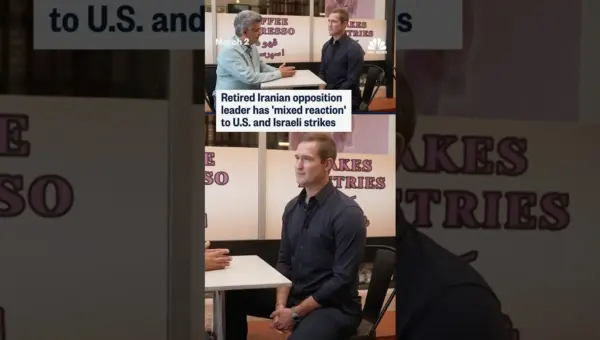
Iranian Dissident’s ‘Mixed Reaction’ to Soleimani Strike
A retired Iranian opposition leader shared his 'mixed reaction' to the U.S. strike that killed General Qassem Soleimani, grappling with anti-war principles and a desire to see the regime overthrown. While celebrating the death, he expressed reservations about the act of war itself.


Israel’s Offensive Crushes Iran’s Military Might
Israel has launched an extensive new offensive targeting Iran's military infrastructure, including missile launch sites and IRGC facilities. Reports indicate Iran's missile capabilities are significantly depleted, potentially forcing a strategic shift. The conflict also sees possible Kurdish ground involvement, while disinformation remains a key battleground.
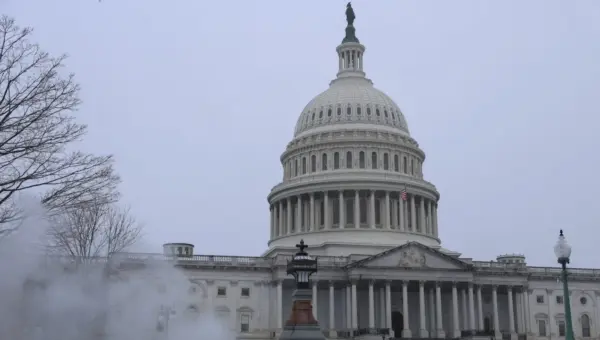
Senate Rejects Iran War Powers Bill, Ceding Authority
The Senate has voted down a resolution that would have required President Trump to seek congressional approval for further military action against Iran. The failure of the bill highlights a continued deference to executive authority in foreign policy, with a House vote expected soon. The administration may also seek additional funding for ongoing operations.