Iran’s F-15 Claim Backfires Amid US Air Dominance
CENTCOM denied Iran's claim of shooting down a U.S. F-15E fighter jet. The U.S. is currently conducting Operation Epic Fury, systematically destroying Iran's drone network. This air campaign highlights U.S. air superiority and its impact on regional military balance.

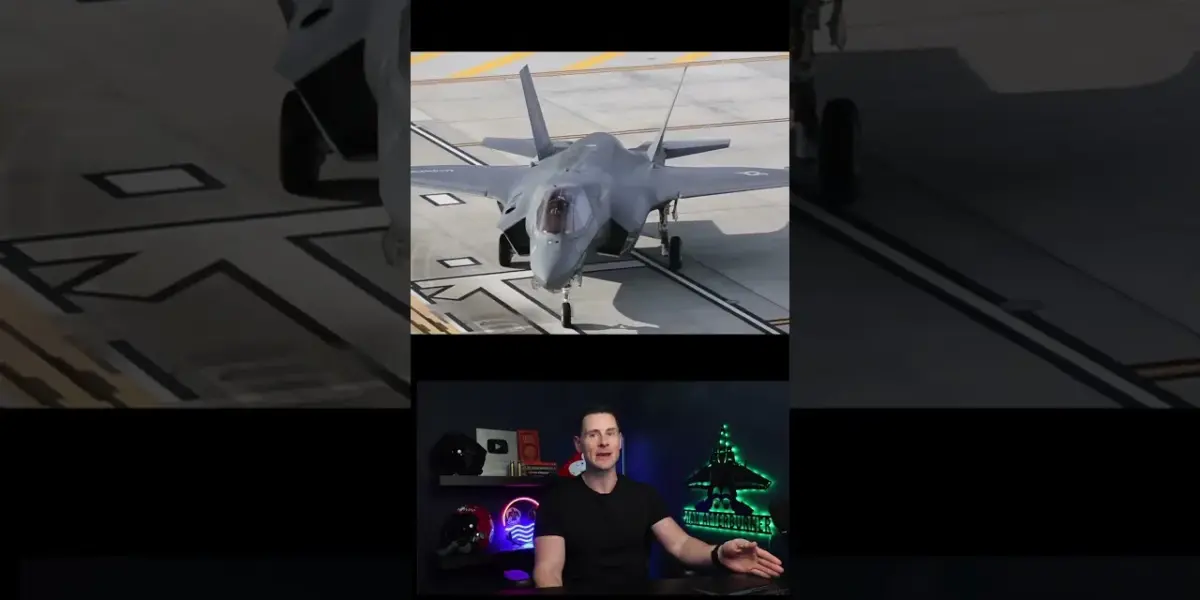
US Air Power Crushes Iranian Drone Network
The United States Central Command (CENTCOM) has denied claims by Iran that it shot down a U.S. F-15E Strike Eagle fighter jet over the Strait of Hormuz. This denial comes amid a sustained U.S. air campaign, dubbed Operation Epic Fury, which has entered its 24th day. U.S. forces have conducted approximately 8,000 sorties during this operation. The F-15E Strike Eagles, along with B-1 bombers and F-35 stealth fighters, are systematically dismantling Iran’s Shahed drone network. This offensive is targeting mobile launch sites, tracking them from discovery to destruction before they can be used. The effectiveness of these strikes has led to a historic low in drone swarm attacks originating from Iran. Admiral Cooper stated that Iran’s military capabilities are in a state of steady decline. However, Iran’s public statements remain highly aggressive, contrasting sharply with its weakening military posture.
Strategic Implications: Air Superiority and Shifting Balance
The U.S. military has achieved air superiority over Iran. This means American aircraft can operate freely without significant threat from Iranian air defenses. The current five-day pause in strikes targeting Iran’s energy infrastructure does not indicate a shift in U.S. strategy. Instead, it likely represents a tactical adjustment within a broader campaign of attrition. The F-15E Strike Eagle, a twin-engine, all-weather strike fighter, is proving to be a critical asset. Its ability to carry a large payload of precision-guided munitions allows it to effectively neutralize hardened targets and mobile threats. For the Islamic Revolutionary Guard Corps (IRGC), these aircraft represent a direct and potent threat. The U.S. air campaign is designed to degrade Iran’s ability to project power, particularly through its drone program. This is a significant development because Iran has increasingly relied on drones for reconnaissance and attack operations. By neutralizing this capability, the U.S. is directly undermining a key element of Iran’s military strategy. The situation highlights a growing imbalance in air power between the two nations. This disparity could influence future regional dynamics and Iran’s willingness to engage in direct confrontation.
Historical Parallels in Air Power Campaigns
This campaign echoes historical precedents where air superiority played a decisive role in military conflicts. During the Gulf War in 1991, the U.S.-led coalition established overwhelming air dominance early on. This allowed ground forces to advance with significantly reduced risk. Similarly, in the early stages of the Iraq War in 2003, air power was used to degrade Iraqi command and control and air defenses. The current operation against Iran’s drone network employs similar principles. It focuses on degrading an adversary’s key assets before they can be fully employed. This strategy aims to achieve objectives with fewer direct confrontations and potentially lower casualties on the attacking side. The methodical destruction of mobile drone launch sites is a modern application of classic air interdiction tactics. These tactics aim to disrupt enemy logistics and offensive capabilities far from the front lines.
Geopolitical Ramifications
The ongoing air campaign and Iran’s increasingly strident rhetoric underscore the volatile geopolitical situation in the Middle East. U.S. air dominance in this context serves to deter potential Iranian aggression and reassure regional allies. The successful degradation of Iran’s drone program could also influence its strategic calculations regarding future military actions. A weakened drone capability might limit Iran’s ability to conduct asymmetric warfare or project influence through proxies. The international community is closely watching these developments. The ability of the U.S. to effectively counter Iran’s military advancements without escalating into a wider conflict remains a key focus. This operation demonstrates a U.S. commitment to maintaining freedom of navigation and stability in a critical global waterway.
Source: Iran Claims They SHOT DOWN an F-15E Then IMMEDIATELY Regrets It (YouTube)

Related Articles
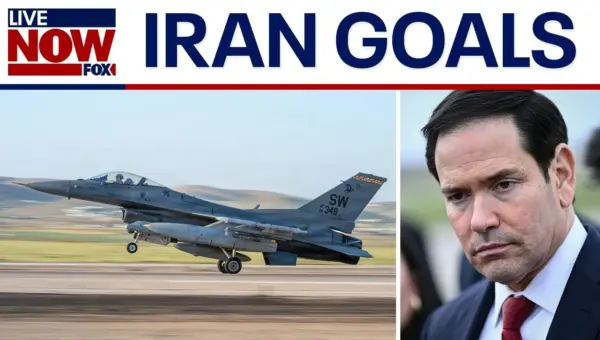
Rubio: US Can Achieve Iran War Goals Without Troops
Senator Marco Rubio outlined a strategy to counter Iran without deploying U.S. ground troops, focusing on weakening the regime and enhancing maritime security. He also criticized Cuba's economic system and expressed concerns about West Bank violence.


Israel Escalates Iran Strikes, Warns of Wider War
Israel has launched significant strikes inside Iran following continued missile fire, warning of further escalation. The conflict risks wider regional instability and economic disruption, especially concerning the Strait of Hormuz.
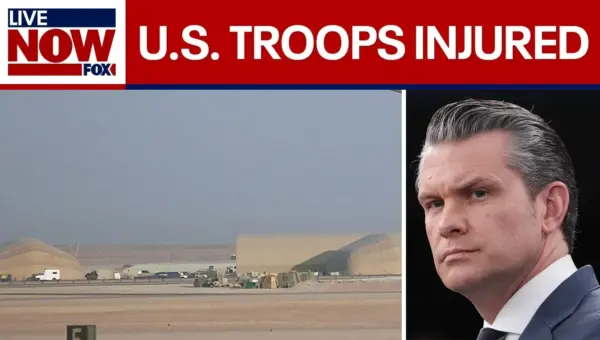
US Troops Wounded in Saudi Base Attack by Iran
An Iranian missile attack on Prince Sultan Air Base in Saudi Arabia wounded multiple U.S. service members and damaged aircraft. The incident highlights the ongoing risks in the Middle East and the limitations of air defense systems. Analysts discuss the strategic implications, economic pressures, and the isolation of Iran amidst the conflict.