Iran’s Exiled Prince Seeks U.S. Support for Regime Change
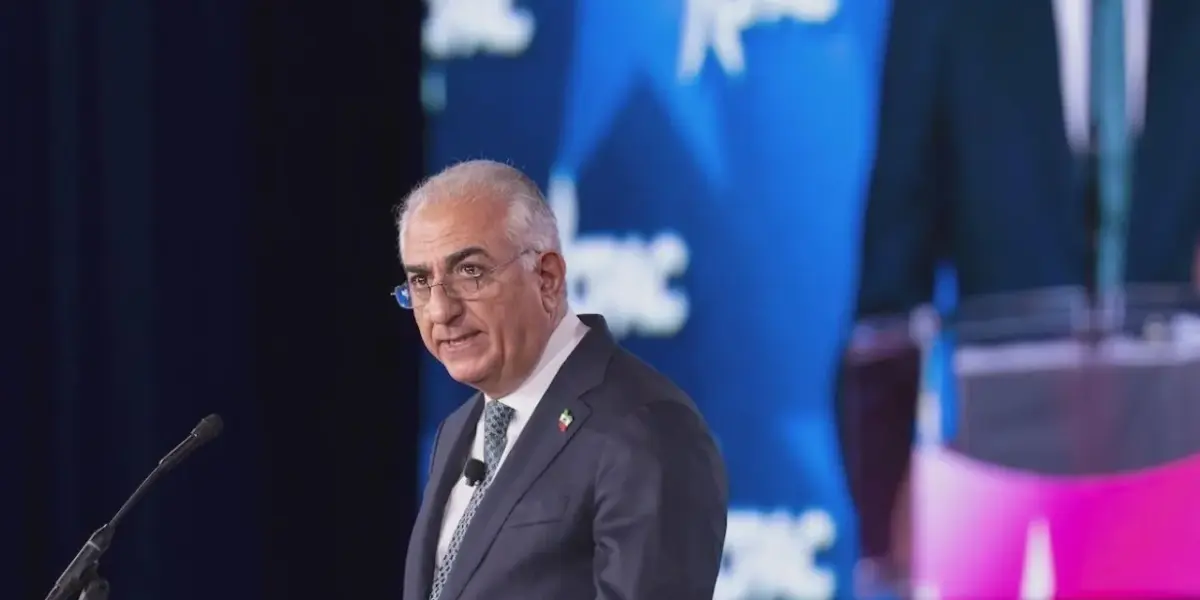
Exiled Iranian Crown Prince Reza Pahlavi urged continued U.S. pressure on Iran's current regime at CPAC. He expressed hope for freedom and suggested he could lead the country if it transitions to a democratic government. Pahlavi applauded recent U.S. military actions, while President Trump claimed Iran's military capabilities have been significantly degraded.

Iran’s Exiled Prince Seeks U.S. Support for Regime Change
Reza Pahlavi, the exiled crown prince of Iran’s former monarchy, recently spoke at the Conservative Political Action Conference (CPAC) in Texas. He urged the United States to continue its pressure on Iran’s current government. Pahlavi expressed hope for freedom in Iran, suggesting it is close for the Iranian people. He also indicated he could lead the country if the current regime falls and an election process is established.
Calls for Continued Pressure
Pahlavi’s remarks came as he applauded U.S. military actions. He described success as being very close. “What we ask of America is simple: Stay the course. Do not waver,” he stated during his speech. He believes this approach will allow the Iranian people to complete the task of changing their government. Pahlavi pointed to “Operation Epic Fury” as a successful effort that has eliminated several leaders within the Iranian regime. He specifically mentioned the country’s Ayatollah, who was reportedly replaced by his son in February. Reports also suggest that the Ayatollah suffered injuries in these strikes.
Trump’s Stance on Iran
These comments from Pahlavi followed recent statements by President Trump. Trump described Iranian leaders as desperate to make a deal to end the ongoing conflict. He stated that “Operation Epic Fury” had crossed a line. Trump also claimed that Iran’s navy and air force have been effectively destroyed by these strikes, which have killed many leaders. He made these comments while speaking in Miami.
Historical Context and Motivations
Reza Pahlavi is the son of the last Shah of Iran, who was overthrown in the 1979 revolution. His calls for U.S. support echo historical patterns of foreign intervention and influence in Iran. For decades, Iran has been a key player in Middle Eastern politics, with its relationship with the U.S. undergoing significant shifts. The current regime, established after the revolution, views Western influence with deep suspicion. Pahlavi, representing a monarchist past, sees an opportunity in current U.S. policy to restore a different political future for Iran. His motivation is to see a democratic government, potentially led by himself, replace the current theocracy.
U.S. Interests and Strategy
The U.S. under President Trump has pursued a policy of “maximum pressure” against Iran. This includes economic sanctions and military posturing. The stated goals are to curb Iran’s nuclear program, its ballistic missile development, and its support for regional militant groups. For the Trump administration, weakening the current Iranian regime is seen as a way to enhance U.S. security and that of its allies in the region, like Israel and Saudi Arabia. The administration believes that by crippling Iran’s economy and military capabilities, they can force concessions or even lead to the regime’s collapse. Pahlavi’s message aligns with this strategy, presenting him as a potential alternative leader that the U.S. could support.
Iranian Regime’s Perspective
The Iranian government, led by the Supreme Leader and President, views U.S. actions and rhetoric as hostile interference. They see Pahlavi as a foreign-backed figure seeking to undermine their sovereignty. The regime uses external pressure, including U.S. sanctions, to rally domestic support and justify its policies. They argue that the U.S. and its allies seek to destabilize Iran and control its resources. The reported military successes mentioned by Trump and Pahlavi are likely downplayed or reframed by Iranian state media to avoid showing weakness. The regime’s primary interest is maintaining its power and control within Iran.
Global Impact and Future Scenarios
The ongoing tensions between the U.S. and Iran, and the internal dynamics highlighted by Pahlavi’s statements, have significant global implications. Iran is a major oil producer, and any major conflict or instability in the region could disrupt global energy markets. The conflict also involves regional powers like Saudi Arabia and Israel, who are strong U.S. allies and view Iran as a primary threat. The potential for a change in Iran’s government, supported by the U.S., could reshape alliances and power balances across the Middle East. One scenario is that continued pressure leads to internal unrest and eventually a change in leadership, with Pahlavi or a similar figure emerging. Another scenario is that the regime withstands the pressure, using it to consolidate power and further entrench anti-U.S. sentiment. A third, more dangerous scenario, involves direct military confrontation between the U.S. and Iran, with potentially devastating consequences for the region and the world.
Source: | Morning in America (YouTube)

Related Articles

Trump’s War Gamble: Unpopular Conflict Risks Voter Backlash
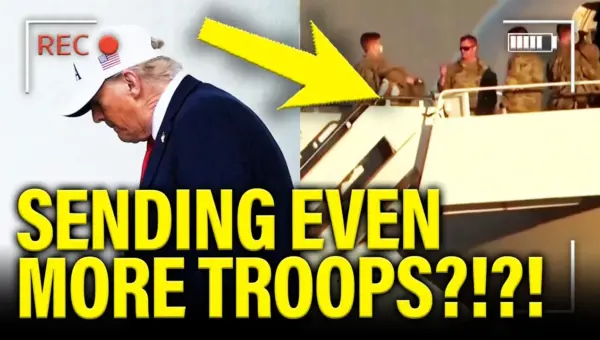
President Trump is reportedly considering sending 10,000 more troops to the Middle East amid widespread public disapproval of the Iran conflict. Polls show a significant majority disapprove of his handling of the war and the economy, suggesting a political backlash looms.
Pentagon Plans Weeks of Iran Ground Ops Amid Escalating Conflict
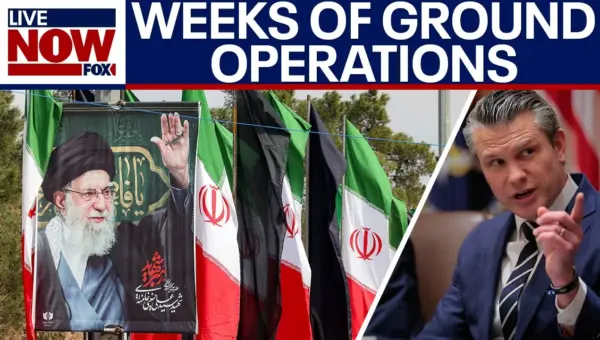
The Pentagon is reportedly preparing for weeks of ground operations in Iran, signaling a potentially dangerous escalation. This comes as missile defenses near Jerusalem are being scrutinized after two missiles penetrated. The conflict is widening into a regional war, involving various actors and raising concerns about global economic stability.
Vance Vanishes: Senator’s Silence on War Sparks Political Fallout
Senator JD Vance's quiet stance on a new Middle Eastern conflict has drawn criticism, especially as rival Marco Rubio gains political traction. This analysis explores Vance's silence, Trump's past warnings about war, and the economic impact of the ongoing tensions, questioning the accountability of politicians during wartime.