Iran’s Escalation: Trump Faces Deadly Fallout
Iran's strategic escalation of attacks on U.S. and Israeli targets, aimed at inflicting maximum damage and raising costs, has led to American casualties and a complex geopolitical challenge for the Trump administration. The rejection of a ceasefire signals a determined effort to force a U.S. withdrawal.

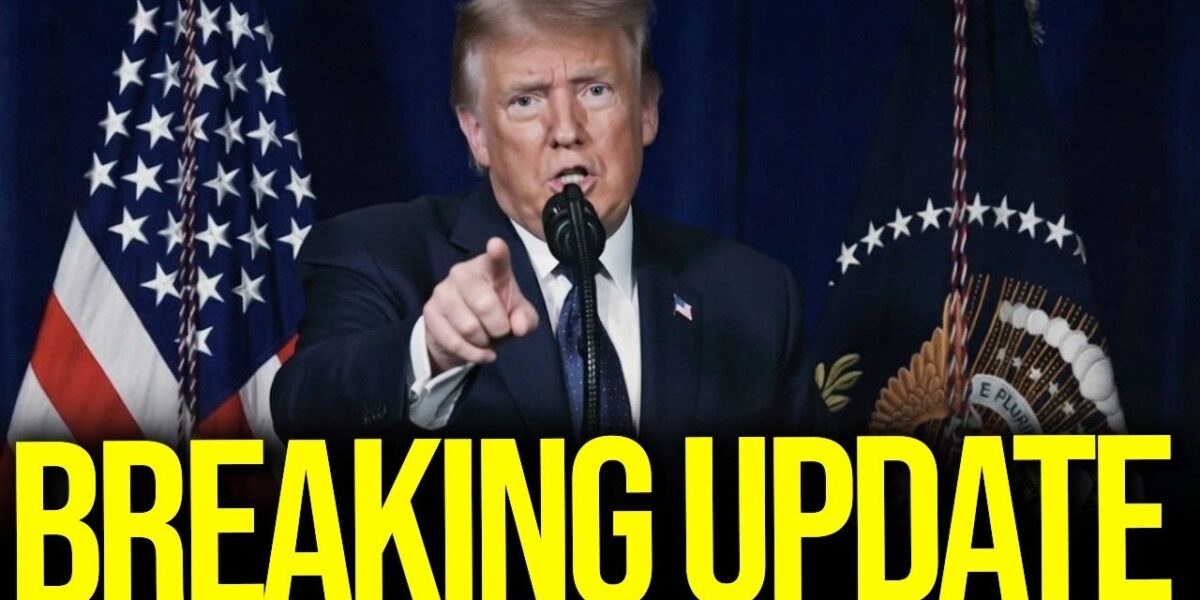
Trump’s Tight Spot: Iran’s Strategic Escalation Ignites Middle East Conflict
The recent killing of three U.S. service members in the Middle East has thrust the region into a dangerous new phase, with former President Donald Trump acknowledging the grim reality that more American casualties are likely. This escalation, fueled by Iran’s strategic decision to inflict maximum damage rather than seek a quick ceasefire, presents a complex geopolitical challenge, particularly for an administration seeking to de-escalate while simultaneously appearing strong.
Iran’s Ceasefire Rejection: A Lesson Learned from Past Restraint
A critical factor in the current crisis is Iran’s calculated rejection of a ceasefire proposed by Donald Trump. The reasoning, as detailed by analysts, stems from a perceived strategic error in agreeing to a ceasefire approximately seven to eight months prior. This past restraint, Iran believes, only allowed the U.S. and its allies to rearm and regroup, ultimately emboldening them to restart hostilities. This dynamic mirrors the ongoing conflict in Ukraine, where ceasefires have often been viewed as opportunities for Russia to replenish its forces before launching renewed attacks.
Consequently, Iran has adopted a strategy of sustained, high-impact strikes against U.S. and Israeli targets across the Middle East. The aim is not merely retaliation, but a deliberate attempt to teach the United States a lesson by inflicting significant damage and raising the cost of continued military engagement. Reports indicate that Iranian ballistic missiles and drones have successfully overwhelmed defensive systems, leading to significant damage and casualties.
The Cost of War: American Lives and Political Capital
The acknowledgement from Donald Trump that more U.S. troops are likely to die underscores the gravity of the situation. His administration’s response has been to vow retribution and assert American resolve, stating, “America will avenge their deaths and deliver the most punishing blow to the terrorists who have waged war against basically civilization.” However, this tough rhetoric is juxtaposed with a desperate scramble for a ceasefire, highlighting the administration’s precarious position.
Critics argue that the current predicament is a result of poor planning and inadequate defensive preparedness. The successful targeting of numerous U.S. bases in Iraq and elsewhere suggests a failure to anticipate and counter Iran’s capabilities. The argument is that the U.S. should have maintained sufficient stockpiles of defensive weaponry, such as Patriot missiles, to protect its forces and assets.
Strategic Escalation vs. Retaliation: Iran’s New Playbook
A key distinction being made by observers is between simple retaliation and strategic escalation. While initial responses might be characterized as attempts to deter or scare the adversary, strategic escalation involves a sustained campaign designed to relentlessly increase the pressure until the opponent’s cost threshold is breached. Iran, it appears, has shifted to this latter approach.
The new strategy involves a constant level of attack throughout the day, rather than large, singular salvos. While this may result in less immediate damage per strike, the cumulative effect is intended to be far more damaging. Iran’s calculus is that Israel’s pain tolerance is high as long as the U.S. remains committed to the conflict. Therefore, the focus has increasingly shifted to the United States itself, aiming to make the military, political, and human cost too high for the U.S. to sustain.
Historical Context and Future Outlook
The current crisis did not emerge in a vacuum. Decades of complex geopolitical maneuvering, regional rivalries, and shifting alliances have created a volatile environment. Iran’s decision to abandon previous restraints, particularly after the assassination of a high-ranking official, signals a new resolve to demonstrate its capabilities and willingness to engage in direct conflict. The narrative that past Iranian restraint was a sign of weakness is being actively challenged.
The implications of this strategic escalation are profound. The Middle East is already a tinderbox, and the increased involvement of major global powers risks igniting a wider conflict. The focus on inflicting maximum casualties and raising the political cost for the U.S. suggests that Iran is prepared for a protracted struggle. This approach, mirroring the logic applied to the war in Ukraine, implies a belief that sustained pressure will ultimately force a withdrawal or a significant policy change from the United States.
Why This Matters
The current situation is a stark reminder of the unpredictable nature of international conflict and the severe consequences of miscalculation. The deaths of U.S. service members are not just statistics; they represent a tragic human cost that reverberates through families and communities. Furthermore, the potential for wider regional escalation carries immense implications for global stability, energy markets, and international relations.
The administration’s challenge is to respond effectively without triggering a full-blown war, a task made more difficult by Iran’s deliberate strategy of escalation. The effectiveness of current U.S. leadership in the Department of Homeland Security and the FBI has been questioned, adding another layer of concern regarding preparedness for potential fallout, including domestic threats.
The Road Ahead: Uncertainty and Escalation
As Iran continues its campaign of strategic escalation, the United States faces a critical juncture. The objectives of the ongoing military operations remain unclear, with initial justifications shifting from nuclear concerns to regime change and reshaping the global order. This ambiguity, coupled with the escalating casualties, places Donald Trump in a difficult position, publicly committed to continuing operations while privately seeking de-escalation.
The sheer scale of Iran’s recent attacks, targeting numerous Arab and Muslim countries alongside Israel, underscores the breadth of its current campaign. The launch of hundreds of missiles and drones signifies a significant commitment to its strategy. The ultimate success of this strategy hinges on whether the cumulative cost to the United States—military, political, and human—becomes untenable. The coming weeks and months will be crucial in determining whether this cycle of escalation can be broken or if it will lead to a broader, more devastating conflict.
Source: Watch Trump Horrified as Iran BACKFIRES (YouTube)

Related Articles

Geopolitical Turmoil Bolsters Bitcoin Amidst ETF Inflows
Geopolitical tensions and strong Bitcoin ETF inflows are creating a resilient market. Analysts point to exhausted sellers and the potential for capital rotation into crypto, while regulatory clarity on the Clarity Act could unlock significant institutional investment.

Trump Threatens “Unseen” Force on Iran After Leader’s Death
Following the assassination of Supreme Leader Ayatollah Ali Khamenei, U.S. President Donald Trump has vowed to unleash unprecedented force on Iran. While outlining ambitious goals including regime change, experts express skepticism about the effectiveness of airstrikes and the potential for popular uprising against a resilient Iranian government.

Senator Coons Questions Trump’s Iran Strategy After Troop Deaths
Senator Chris Coons has sharply criticized President Trump's strategy in Iran following the deaths of three U.S. service members. Coons questioned the intelligence regarding Iran's nuclear proximity and the lack of clear strategy and congressional debate for the "war of choice."