Iran’s Epstein Gambit: A Digital Strike on Trump’s Presidency
Iran has allegedly released a propaganda video suggesting U.S. actions are a distraction from the Jeffrey Epstein files. This move highlights the growing use of digital warfare and domestic scandals as geopolitical tools, potentially impacting U.S. politics and international trust.

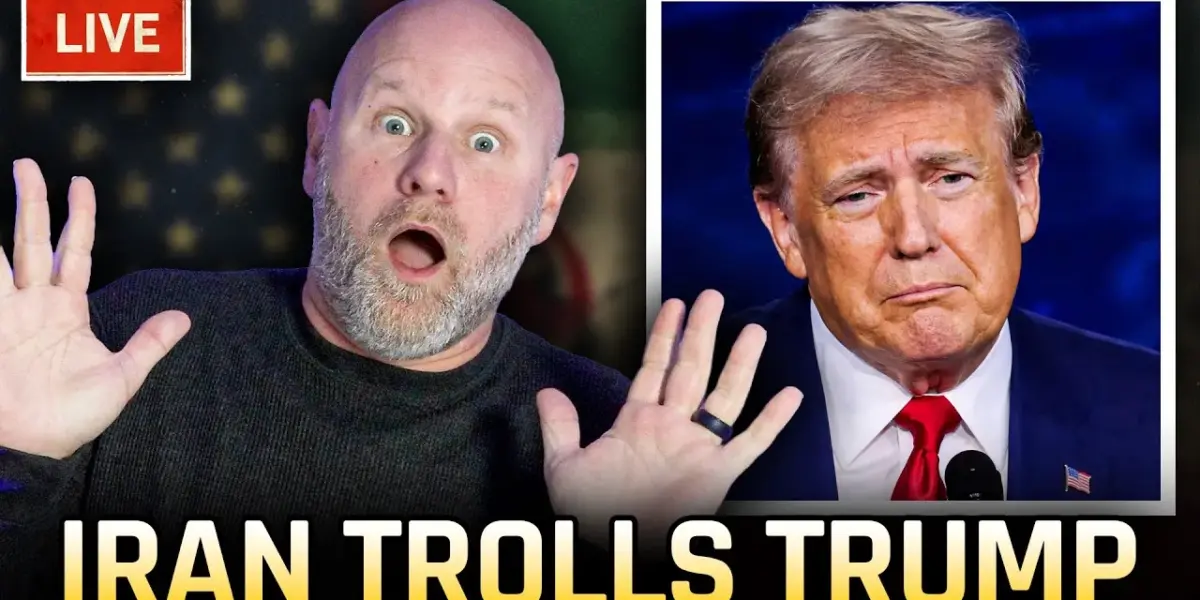
Iran’s Epstein Gambit: A Digital Strike on Trump’s Presidency
In the high-stakes arena of international relations, where geopolitical maneuvering often occurs behind closed doors, a new battlefield has emerged: the digital realm. A recent propaganda video released by Iran, ostensibly targeting Donald Trump and Israeli Prime Minister Benjamin Netanyahu, has injected a potent new element into the ongoing tensions. The video, as analyzed by Farron Cousins, suggests that Iran is leveraging the highly sensitive and politically charged Jeffrey Epstein files as a strategic tool to undermine the Trump administration and sow domestic discord within the United States.
The Narrative Unveiled
The core assertion of Iran’s purported message is direct: the escalating actions against Iran by the Trump administration are not driven by genuine geopolitical necessity, but rather by a desperate need for distraction. Specifically, the video aims to link these actions to the ongoing fallout from the Jeffrey Epstein scandal, implying that Trump and Netanyahu are using the conflict as a smokescreen to divert attention from the deeply troubling revelations emerging from the Epstein case. This narrative, if successful, could significantly complicate the already precarious relationship between the U.S. and Iran, and potentially impact domestic American politics.
Cousins highlights that this move by Iran is a stark contrast to Trump’s own rhetoric. Trump has frequently asserted that Iran is in a state of collapse and that the U.S. has effectively achieved victory over the nation. However, Iran’s proactive digital engagement suggests a nation that is far from defeated and is willing to employ sophisticated psychological warfare tactics. The video serves as a potent reminder that the conflict is far from over and that Iran possesses the capacity to inflict political damage through non-military means.
Historical Context: Propaganda and Psychological Warfare
The use of propaganda and psychological warfare is not a new phenomenon in international relations, especially in conflicts involving Iran. Throughout history, nations have employed various media to shape public opinion, demoralize adversaries, and rally domestic support. During the Cold War, both the United States and the Soviet Union engaged in extensive propaganda campaigns, utilizing radio broadcasts, films, and other media to promote their ideologies and discredit their opponents.
Iran, in particular, has a history of utilizing state-controlled media and, more recently, online platforms to disseminate its messaging. The current geopolitical climate, marked by strained U.S.-Iran relations and the sensitive nature of the Epstein scandal, presents a fertile ground for such tactics. The Epstein case, with its implications for powerful figures and the alleged involvement of international elites, carries a significant potential for scandal and public outrage. By linking this to U.S. foreign policy towards Iran, Tehran seeks to exploit existing vulnerabilities and amplify domestic dissent in the U.S.
The Epstein Files: A Political Powder Keg
The Jeffrey Epstein scandal has cast a long shadow, revealing a complex web of alleged abuse, trafficking, and the involvement of prominent individuals across various sectors, including politics, business, and entertainment. The ongoing legal proceedings and the release of documents related to the case have continued to generate significant public interest and scrutiny. The mere mention of the Epstein files in a geopolitical context is enough to stir controversy and raise uncomfortable questions.
For the Trump administration, any association, however tenuous, with the Epstein scandal could be politically damaging. The video’s assertion that U.S. actions against Iran are a deliberate distraction from these files is a narrative designed to resonate with those already skeptical of the administration’s motives or concerned about the implications of the Epstein revelations. It taps into a pre-existing narrative of political maneuvering and potential cover-ups, making it a potent weapon in Iran’s information warfare arsenal.
Why This Matters
This incident underscores a critical shift in modern conflict. The digital domain is no longer just a secondary front; it is a primary battleground where narratives are forged, public opinion is swayed, and political capital can be gained or lost. Iran’s alleged use of the Epstein scandal as a narrative weapon against the Trump administration demonstrates a sophisticated understanding of how to exploit domestic vulnerabilities of its adversaries.
The implications are far-reaching:
- Erosion of Trust: Such tactics can further erode public trust in political institutions and leadership, both domestically and internationally.
- Information Warfare Escalation: It signals an escalation in the use of information warfare, where scandals and sensitive information are weaponized for geopolitical gain.
- Domestic Political Impact: The narrative, if amplified, could have a tangible impact on U.S. domestic politics, potentially influencing public perception of the administration’s foreign policy decisions.
- Shifting Blame: It allows Iran to deflect criticism and reframe the conflict, shifting the focus from its own actions to alleged malfeasance by its adversaries.
Implications, Trends, and Future Outlook
The trend towards utilizing sensitive domestic issues in international propaganda is likely to continue. As digital communication becomes more pervasive, state and non-state actors will increasingly seek ways to leverage information, misinformation, and scandals to achieve their objectives. This creates a challenging environment for policymakers and the public alike, who must navigate a complex information landscape where distinguishing fact from fiction can be difficult.
The future outlook suggests a continued blurring of lines between domestic politics and international relations, particularly in the digital sphere. Nations will likely invest more resources in developing sophisticated digital influence operations. The Epstein scandal, with its inherent capacity for controversy, serves as a potent example of how such sensitive issues can be co-opted and weaponized in the global arena. The effectiveness of Iran’s strategy will depend on its ability to penetrate the U.S. information ecosystem and resonate with American audiences, a task that is both challenging and potentially impactful.
In conclusion, Iran’s alleged deployment of a propaganda video linking U.S. actions to the Epstein files represents a novel and potentially destabilizing development in the ongoing geopolitical tensions. It highlights the evolving nature of international conflict and the growing importance of the digital domain as a strategic battleground. As Farron Cousins suggests, this is likely the beginning of a more complex and potentially volatile phase in this ongoing information war.
Source: Iran Trolls Trump With Epstein Video (YouTube)

Related Articles

Iran’s Capabilities Destroyed, Stocks to Soar: Analyst
Geopolitical analysis suggests Iran's military capabilities are nearing destruction, paving the way for U.S. control of the Strait of Hormuz. This resolution is expected to lower oil prices and significantly boost the stock market, according to market watchers.

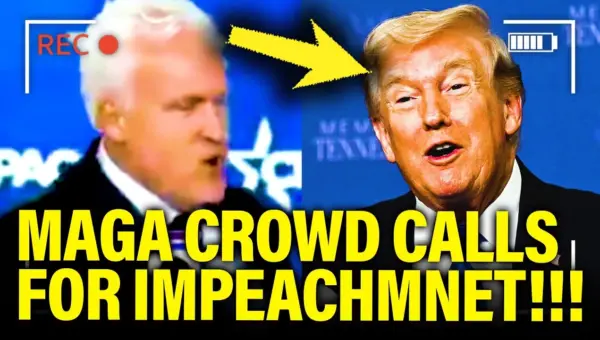
MAGA Base Questions Trump’s Grip at Chaotic CPAC
A conservative gathering revealed surprising dissent within the MAGA base, with attendees booing impeachment. This, coupled with government shutdowns and electoral losses, signals potential shifts in the party's direction and priorities.

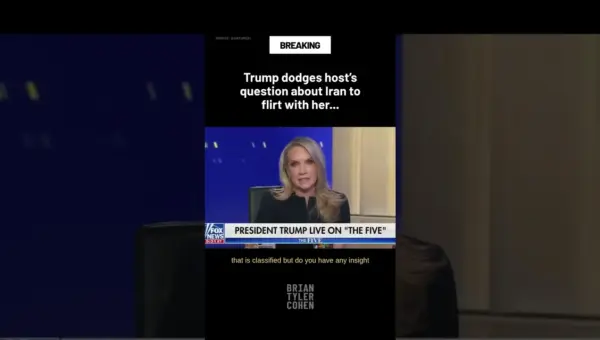
Trump Flirts With Host, Dodges Iran Human Rights Question
During an interview, Donald Trump deflected a question about the human rights situation in Iran. Instead of answering, he reminisced about a past lunch and complimented the interviewer's appearance. This exchange highlights a trend in political communication where personal interactions can overshadow serious global issues.