Iran’s Elite Control Lucrative Sectors Through Nepotism
Iran's lucrative oil, gas, and resource sectors are increasingly controlled by the children of regime officials, a phenomenon known as 'agazade.' This nepotism consolidates wealth and power within an elite circle, impacting economic development and market dynamics.


Iran’s Elite Consolidate Wealth Through State-Controlled Sectors
The economic landscape in Iran is increasingly defined by a system of inherited privilege, where key sectors vital to the nation’s wealth are being quietly transferred to the offspring of high-ranking regime officials. This trend, often referred to as ‘agazade’ or ‘children of the elite,’ highlights a consolidation of power and economic influence within a select group, despite the regime’s public stance on austerity.
From Strict Regimes to Economic Fortunes
Iran’s post-Iran-Iraq War era saw a stark division in society: those within the regime’s inner circle and the vast majority struggling economically. While the theocratic system officially espouses austerity, the accumulation of wealth has become a tolerated, albeit concentrated, phenomenon. This has been further exacerbated by a systematic purge of the private sector, leading to the seizure or sale of businesses to family members of ministers, generals, and clerics.
The regime learned they need to rely on folks that they can actually trust. And who is better than family members of key regime officials?
This strategic reliance on trusted familial connections has resulted in the children of elite officials taking over highly lucrative sectors. These include the nation’s oil, petroleum, petrochemical, and metal industries, as well as the exploitation of its rich natural resources. This ensures that significant economic power remains firmly within the control of those aligned with the ruling establishment.
The Rise of the ‘Agazade’
The phenomenon of ‘agazade’ has become so pervasive that it has entered common parlance. While many of these scions operate discreetly, some have gained public attention. A notable instance occurred in 2008 when Shamani, the son of Ali Shamani, was presented on national television. The interaction revealed a young man seemingly detached from conventional career paths, with his involvement in the ‘private sector’ implying a directorship over substantial economic enterprises, likely facilitated by his father’s position.
The implication of such public appearances is clear: the children of influential figures are not merely beneficiaries of their families’ status but are actively integrated into the economic machinery of the state. Their roles in major industries suggest a carefully orchestrated transfer of wealth and control, bypassing traditional market mechanisms and meritocratic principles.
Market Impact and Investor Considerations
The concentration of economic power within the hands of a few elite families has significant implications for Iran’s economic development and its engagement with the global market. This system of nepotism can stifle innovation and competition, as opportunities are not based on merit but on connections. For international investors, understanding this dynamic is crucial. It suggests that business dealings within Iran may be heavily influenced by political ties, potentially leading to opaque transactions and an uneven playing field.
The long-term stability of an economy reliant on such a closed system is also questionable. While it may ensure short-term control for the ruling elite, it risks alienating a broader segment of the population and hindering sustainable economic growth. The potential for corruption and inefficiency is high when key industries are managed by individuals whose primary qualification is their lineage rather than their expertise.
For those observing Iran’s economy, the ‘agazade’ phenomenon is a key indicator of the entrenched power structures. It signals that economic policy and resource allocation are likely to continue prioritizing the interests of the elite, potentially at the expense of broader economic reforms or diversification. This deeply ingrained system of inherited economic control presents a significant challenge for any future attempts at liberalization or integration into the global economy.
Source: Iran’s Powerful Elite (YouTube)

Related Articles

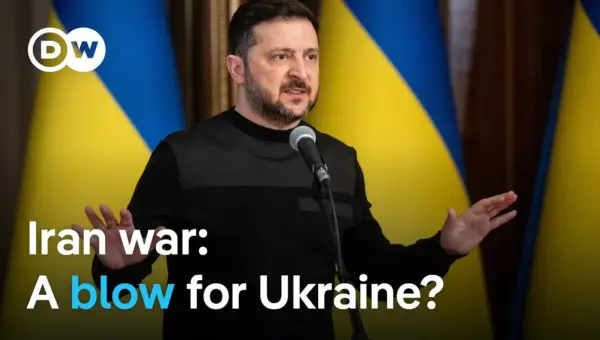
Iran War’s Ripple Effect: Ukraine Faces New Threats
The war involving Iran is creating significant new challenges for Ukraine, potentially bolstering Russia's economy through higher oil prices and straining Western military aid, particularly air defense interceptors. Ukraine faces a critical shortage of these vital munitions as global demand surges.

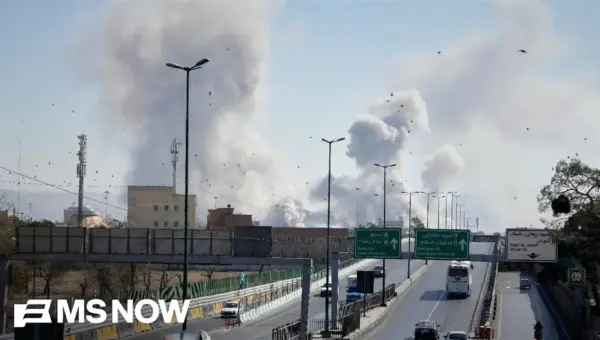
Iran Under Fire: Airstrikes Intensify Amidst New Retaliatory Wave
Iran is facing intense airstrikes from the U.S. and Israel while launching its own retaliatory attacks, escalating regional tensions. The conflict has led to evacuations, the deployment of allied military assets, and the tragic loss of six U.S. soldiers. Diplomatic efforts appear stalled as the situation intensifies.

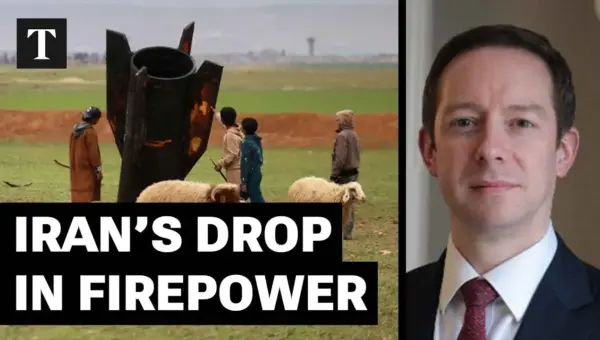
UK Navy Struggles as Iran Conflict Escalates
Vice Admiral Duncan Potts has raised alarms about the UK's declining naval readiness, drawing parallels to the Falklands War amidst escalating tensions with Iran. Meanwhile, experts analyze Iran's degraded military capabilities and the uncertain path of its nuclear ambitions.