Iran’s Desperate Moves: US Military Sees Tactics Shift
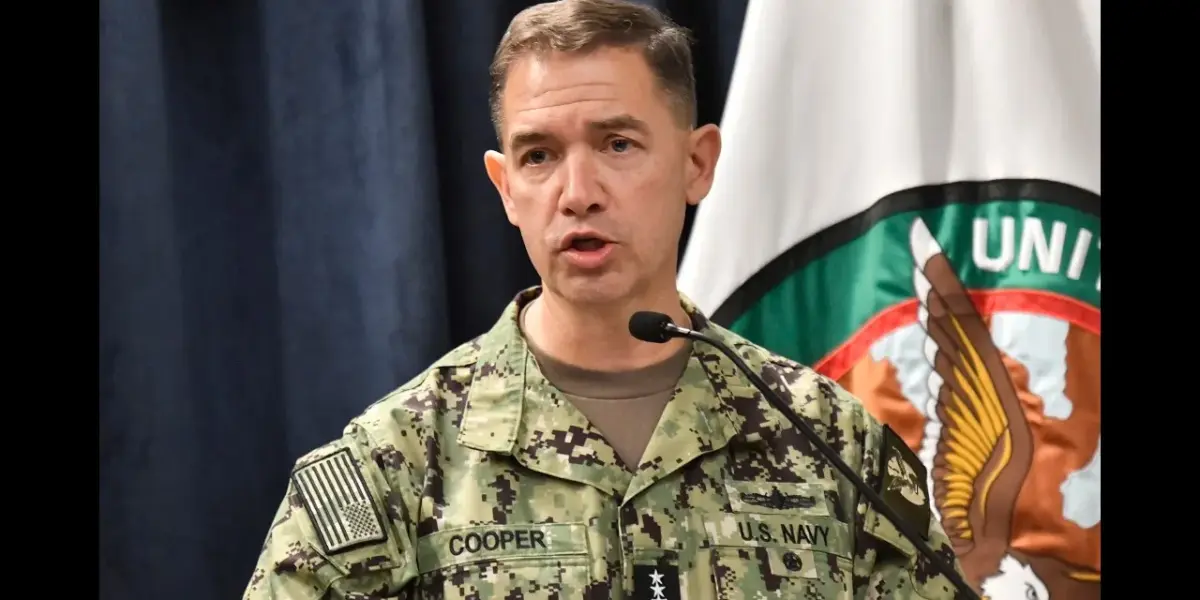
The head of U.S. military operations in the Middle East believes Iran is acting out of desperation, evidenced by a shift from military targets to civilian sites. Admiral Brad Cooper states Iran's drone and missile attacks have dramatically slowed, now occurring one or two at a time. The U.S. campaign against Iran's weapons programs is reportedly ahead of schedule.

Iran’s Desperate Moves: US Military Sees Tactics Shift
The top commander of U.S. military operations in the Middle East believes Iran is acting out of desperation. Admiral Brad Cooper, head of U.S. Central Command, stated that Iran’s recent actions show a clear shift in their strategy. This change, he explained, is leading them to target civilian sites instead of military ones.
Early in the conflict, Iran launched large numbers of drones and missiles, sometimes dozens at a time. Admiral Cooper noted that this has dramatically changed. Now, attacks are much smaller, with Iran sending only one or two drones or missiles at a time. This reduced volume suggests a strain on their resources and capabilities.
The admiral highlighted that Iran has deliberately shifted from attacking military targets to hitting civilian sites. This has happened more than 300 times in recent weeks. This move from military objectives to civilian ones is seen as a sign of their growing desperation in the ongoing conflict.
US Campaign Ahead of Schedule
Admiral Cooper also reported that Iran’s overall fire across the Middle East has slowed down. He believes the U.S. campaign against Iran is actually ahead of or on schedule. The U.S. military is focused on three main goals: getting rid of ballistic missiles, eliminating drones, and sinking Iran’s navy. They are also working to stop Iran from manufacturing these weapons.
Central Command also addressed claims made by Iran. The Iranian regime had suggested that a U.S. F-15 fighter jet was shot down over Kuwait. However, Central Command strongly refuted this. They posted on X, formerly Twitter, calling these rumors untrue and labeling them as Iranian disinformation. The military confirmed that no U.S. fighter aircraft have been shot down by Iran during Operation Epic Fury.
Why This Matters
Admiral Cooper’s assessment offers a significant insight into the current state of Iran’s military capabilities and its strategic thinking. By shifting from large-scale, military-focused attacks to smaller, more frequent assaults on civilian areas, Iran may be attempting to regain an advantage or project strength despite facing limitations. This change in tactics could have serious implications for regional stability and civilian populations.
The U.S. military’s focus on eliminating Iran’s missile and drone programs, as well as its naval power, shows a clear strategy to degrade Iran’s ability to project force. If successful, this could lead to a significant reduction in regional tensions and threats. The U.S. campaign being ahead of schedule suggests a robust and effective approach is being implemented.
Historical Context and Trends
Iran has historically used its ballistic missile and drone programs as a key component of its defense and regional influence strategy. These capabilities allow Iran to project power and deter adversaries without direct confrontation. However, such programs are often subject to international sanctions and scrutiny, which can limit their development and deployment.
The targeting of civilian sites, while condemned by international bodies, is a tactic that has been observed in various conflicts. When used by a state actor under pressure, it can signal a willingness to disregard international norms and escalate conflict in ways that cause widespread suffering. This tactic may be employed to create fear, disrupt normal life, or provoke a disproportionate response from opponents.
Future Outlook
The situation suggests a potential increase in the importance of asymmetric warfare tactics by Iran, focusing on smaller, harder-to-detect threats like drones and missiles launched individually rather than in mass. This approach requires different defensive strategies from the U.S. and its allies. The ongoing efforts by Central Command to counter these specific threats will be crucial in shaping the future security environment in the Middle East.
If Iran continues to face resource constraints or strategic setbacks, its desperation might lead to further unpredictable actions. The U.S. military’s ability to counter Iranian disinformation, as seen in the F-15 incident, will also be vital in maintaining a clear narrative and preventing escalation based on false pretenses. The focus on dismantling Iran’s weapons manufacturing capabilities, if successful, could permanently alter the regional balance of power.
Source: US Central Command Chief Says Iran ‘Operating in a Sign of Desperation’ (YouTube)

Related Articles


Iran Targets US With Cyberattacks, Escalating Digital Warfare
Iran is increasingly using cyberattacks to challenge the U.S., as seen in a recent hack of the FBI director's account. Experts say this is a strategic shift due to Iran's limitations in conventional warfare. The U.S. needs to strengthen its digital defenses, focusing on encryption and cloud computing, rather than solely relying on traditional security measures.


Iran Hacks FBI Chief, Exposing U.S. Cyber Vulnerabilities
A recent hack of FBI Director Kash Patel's personal email by an Iran-linked group highlights Iran's growing cyber threat to the U.S. Experts explain how simple security oversights are exploited, emphasizing the need for basic defenses like two-factor authentication to protect against propaganda and potential infrastructure attacks.


Ukraine Strikes Russian Oil Refinery, Eyes Iran Threat
Ukrainian forces struck a key Russian oil refinery, disrupting Moscow's war capabilities. Meanwhile, Finland's president urged continued U.S. support for Ukraine, as Kyiv shares its air defense expertise globally amid growing geopolitical complexities involving Iran and potential sanctions against Hungary.