Iran’s Crypto Tolls Could Shake Global Finance, Impact US Debt
Iran is reportedly demanding cryptocurrency tolls for ships passing through the Strait of Hormuz, a move that could bypass sanctions and challenge the U.S. dollar's global dominance. This development, coupled with rising U.S. debt, could lead to higher borrowing costs and strain vital social programs like Social Security and Medicare.

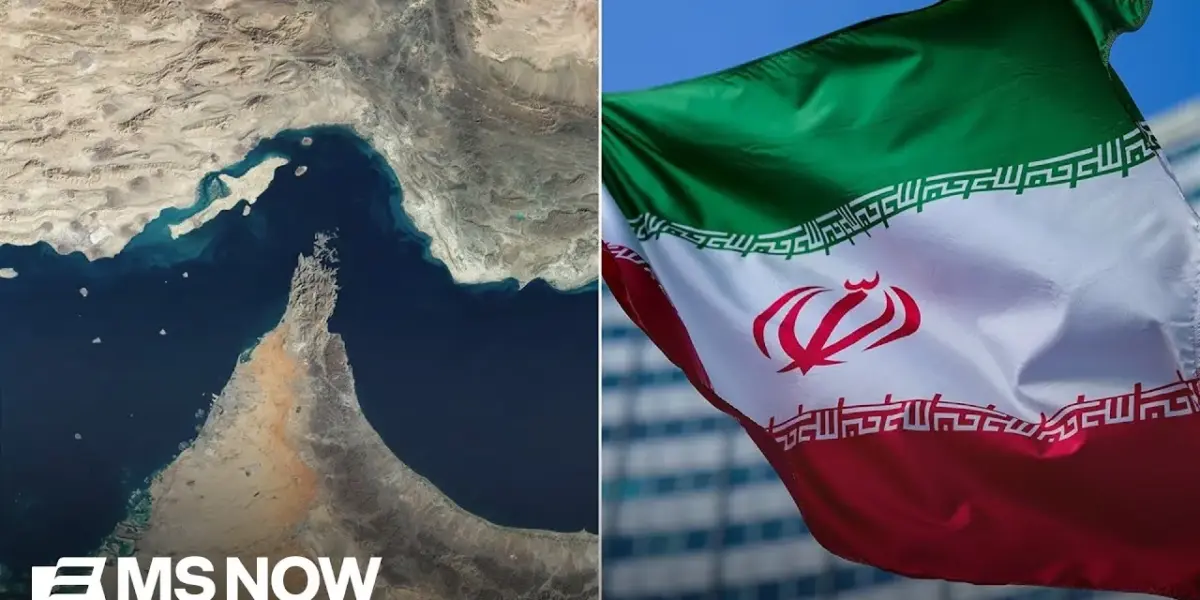
Iran Demands Crypto Tolls for Strait of Hormuz Passage
In a significant development, Iran is reportedly planning to demand tolls for ships passing through the vital Strait of Hormuz. The Financial Times reports that Iran wants these payments made in cryptocurrency. A spokesperson for Iran’s oil exporters union stated that using crypto would prevent the tolls from being traced or confiscated due to international sanctions.
This move signals Iran’s intent to bypass financial restrictions and challenge the dollar’s dominance in global trade. The Strait of Hormuz is a critical chokepoint for global oil shipments, making any disruption or new payment system there a major economic concern.
How Crypto Payments Could Work
Experts suggest that Iran’s demand for cryptocurrency payments is technically feasible. If both parties possess cryptocurrency accounts, such as Bitcoin, a transaction can be made. While ensuring ships at sea have reliable internet and crypto accounts might pose practical challenges, the underlying technology for such payments is readily available.
This proposal comes after Iran initially suggested payments in Chinese yuan, indicating a broader strategy to move away from the U.S. dollar. Both China and Russia have been actively seeking alternatives to dollar-based transactions, especially as the U.S. has increasingly used financial sanctions as a foreign policy tool.
The Dollar’s Dominance Under Threat
For decades, the U.S. dollar has been the world’s primary reserve currency, partly due to the petrodollar system established in the 1970s. This system required oil to be priced and paid for in U.S. dollars. This not only solidified the dollar’s global standing but also facilitated the recycling of oil revenues back into U.S. markets through investment.
However, the widespread use of U.S. financial power, including sanctions, has led countries like Iran, China, and Russia to seek ways to reduce their reliance on the dollar. While a perfect replacement for the dollar has yet to emerge, signs of its declining usage in certain international transactions are becoming more apparent. Iran’s demand for crypto tolls can be seen as a direct challenge to this established financial order.
Broader Implications for Global Finance and U.S. Debt
The potential erosion of the dollar’s status has significant implications for the United States. If international investors become nervous about the dollar’s future, they may demand higher interest rates when lending money to the U.S.
America is facing a massive national debt, projected to reach $39 trillion, with approximately $10 trillion in debt needing to be sold within the next year. A significant portion of this debt is held by international investors. Any increase in borrowing costs for the U.S. government could lead to higher interest rates for mortgages, auto loans, and business borrowing, impacting everyday Americans.
Furthermore, the ability to finance the U.S. debt could become considerably more difficult. Programs like Social Security and Medicare, which already face sustainability challenges, could become even harder to fund if the U.S. faces higher borrowing costs.
Crypto’s Role and Limitations
While Iran’s interest in cryptocurrency offers a way to conduct untraceable transactions, experts question its viability as a dollar replacement. Cryptocurrencies lack a central bank and are often described as speculative assets rather than stable currencies.
The dollar’s strength is tied to confidence in the U.S. economy and its trading power. Historically, currencies like the dollar rose to prominence because the issuing countries had robust economies. While China’s economic power is growing, its tightly controlled financial system limits the free flow of capital, making its currency unlikely to replace the dollar in the near future.
Geopolitical Shifts and U.S. Standing
The current geopolitical situation, including the conflict involving Iran, is seen by some as a strategic win for China. The perceived weakening of U.S. alliances and its military posture in the region has led some, including elements within Iran, to believe they have effectively defeated the United States.
The conflict has also brought issues like rising gas prices to the forefront for American consumers, making geopolitical events feel more immediate. The objectives set out by military leaders, such as destroying Iran’s missile stocks and naval capabilities, have reportedly not been fully achieved, and Iran’s nuclear program remains a concern.
What to Watch Next
The world will be watching closely to see if Iran follows through with its demands for cryptocurrency tolls and how global financial markets react. The U.S. government’s ability to manage its national debt and maintain international confidence in the dollar will be crucial. The evolving economic power of China and the stability of the global financial system remain key factors to monitor in the coming months and years.
Source: How the Iran war could threaten your future Social Security & Medicare payments (YouTube)

Related Articles


Bittensor Plunges 20% on Centralization Accusations
Bittensor's TAO token experienced a sharp 20% price drop, falling from $330 to $265, after Covenant AI exited the network. The AI entity accused Bittensor of centralization, sparking investor panic. This event highlights the importance of decentralization in the crypto space and prompts a re-evaluation of TAO's long-term viability.

Vance Navigates Iran Crisis Amidst Trump’s Conflicting Statements
A US delegation is in Pakistan for critical talks with Iran aimed at reopening the Strait of Hormuz, a key global oil route. The mission comes as rising gas prices and inflation strain the US economy. Former President Trump's conflicting statements and J.D. Vance's described role add complexity to the high-stakes negotiations.

Vindman: Trump’s Iran Policy Leaves US in ‘Bad Position’
Congressman Eugene Vindman stated that former President Donald Trump's past actions have left the U.S. in a "bad position" for current negotiations with Iran. He criticized the proposed ceasefire terms as heavily favoring Iran and expressed concern over the control of the Strait of Hormuz. Vindman also urged Virginia voters to support a redistricting referendum as a way to push back against Trump's policies.