Iran’s Cheap Drones Drain US Billions Daily
Iran's use of cheap drones is costing the U.S. an estimated $1 billion daily, creating a significant financial strain. The vast cost difference between producing drones and intercepting them, combined with limited supplies of advanced air defense systems, presents a growing challenge for the U.S. and its allies.

Iran’s Drone Advantage Strains US Defense Budget
Iran’s use of inexpensive drones against its adversaries, including the United States and its allies, is creating a significant financial and strategic challenge. Estimates suggest the daily cost for the U.S. to counter Iranian threats could reach $1 billion. This cost is driven by the stark price difference between Iran’s low-cost drones and the high-priced missiles needed to shoot them down.
The Costly Calculus of Drone Warfare
Producing a single Iranian drone costs between $20,000 and $50,000. However, intercepting these drones is vastly more expensive. The cost to shoot down one drone can range from $500,000 to several million dollars, and often requires multiple shots. This creates a severe economic imbalance, quickly depleting air defense ammunition stocks for the U.S., Israel, and Gulf allies. “Certainly from a cost perspective, this is not an efficient way to do this,” one analyst noted.
Supply Chain Bottlenecks Hamper Interceptor Production
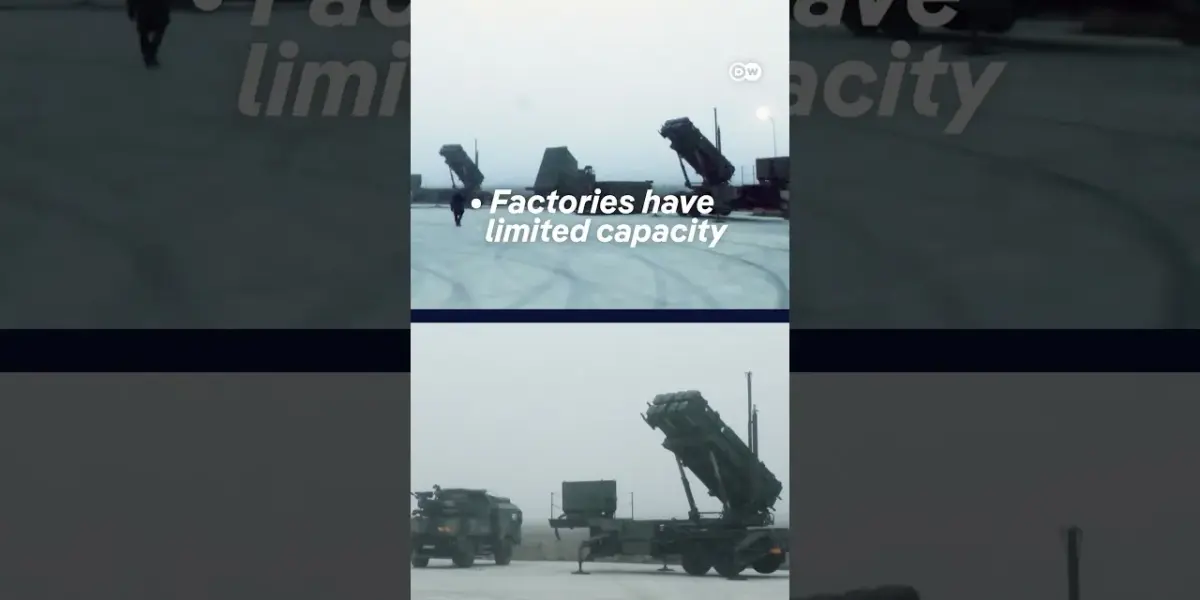
Beyond the immediate financial drain, the limited supply of advanced air defense systems poses another critical problem. High-end interceptors, such as those used by the Patriot missile system, are not only limited in number but also complex and time-consuming to produce. Even with the world’s largest military budget, the U.S. faces challenges in rapidly replenishing these systems. “You could burn through these at much faster rates than you’ll be able to replace them because they won’t be able to replace them overnight or even next year,” explained an expert. This highlights significant bottlenecks in factories and supply chains, slowing down the rate at which these vital defenses can be manufactured.
Global Demand for Air Defense Systems
The current demand for air defense systems like the Patriot is already high, even before factoring in the escalating drone threat. Ukraine has been at the top of the list, desperately seeking these systems to defend against Russian attacks. Taiwan and various European nations are also seeking to bolster their defenses. The United States is actively working to expand its own stockpiles, and now, a group of Gulf state countries are also in line for these advanced weapons. This intense global demand puts further strain on production capabilities and strategic resource allocation.
Geopolitical Ripples: Russia, China, and Europe Watch Closely
The implications of this drone warfare extend far beyond the immediate conflict zone. Both Russia and China are closely observing the situation. For China, seeing the U.S. potentially bogged down in another Middle Eastern conflict could provide a strategic advantage, creating breathing room for its own ambitions in the Indo-Pacific region. European countries, as NATO allies, have reason to be deeply concerned. Russia is already using Iranian-designed drones against Ukraine, and its own factories are producing them. European nations, like the U.S., appear unprepared to effectively counter this specific type of low-cost, high-volume threat. The widespread availability and low cost of these drones present a new challenge that requires a different approach than traditional air defense.
A New Era of Asymmetric Warfare
The current dynamic underscores a shift towards asymmetric warfare, where less technologically advanced but cheaper weapons can pose a significant challenge to heavily armed adversaries. Iran’s strategic use of drones exploits a vulnerability in the expensive, high-tech systems favored by Western militaries. This approach forces a reevaluation of defense strategies and investments, as simply relying on expensive interceptors may not be a sustainable long-term solution. The ability to produce and deploy drones in large numbers at a low cost presents a tactical and economic advantage that can drain resources and potentially overwhelm even the most advanced air defense networks.
Looking Ahead: Adapting to the Drone Threat
The coming months will be crucial for assessing how the U.S. and its allies adapt to this evolving threat. Efforts to ramp up production of interceptors, develop more cost-effective countermeasures, and potentially find innovative ways to neutralize drone swarms will be closely watched. The strategic decisions made now regarding defense spending and technological development could have long-lasting impacts on global security and the nature of future conflicts.
Source: The cost to shoot down Iranian drones | DW News (YouTube)

Related Articles


Mexico Navigates US-China Rivalry
Mexico is caught in a geopolitical tug-of-war between the United States and China. The nation must carefully balance its economic needs and strategic interests with both superpowers. This situation highlights Mexico's growing importance in global affairs.
Iran-Backed Houthis Strike Israel, Escalating Regional Tensions
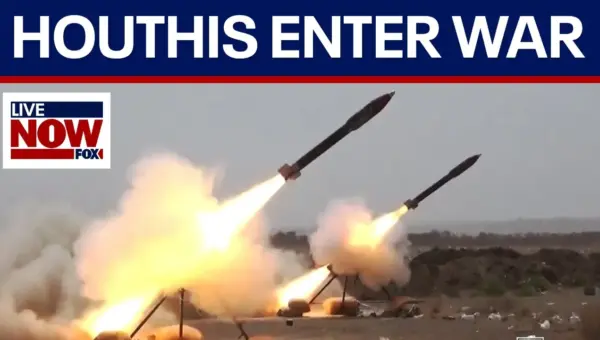
Iran-backed Houthi rebels have launched a missile attack targeting Israel, marking their first such strike since the current Middle East conflict began. The Israeli military confirmed the interception of the projectile. Analysts view this action as part of Iran's broader regional strategy, highlighting the regime's reliance on proxy forces amid internal weaknesses.


Europe Strikes New Trade Deals, Eyes Global Influence
The European Union is actively forging new trade alliances, notably with South American nations like Brazil, to reduce reliance on China and the US. Driven by the need for critical resources like rare earth metals and the desire to boost its own industries, Europe is making strategic concessions and seeking new markets, despite facing internal criticism and a changing global economic landscape.