Iran’s Cheap Drones Challenge US Military, Experts Warn
The U.S. military is seeking external help to counter Iran's increasingly effective and low-cost drones, which challenge expensive American air defense systems. Experts warn of a significant shift in warfare dynamics, with potential U.S. troop deployments and a focus on regime change as a strategic exit.

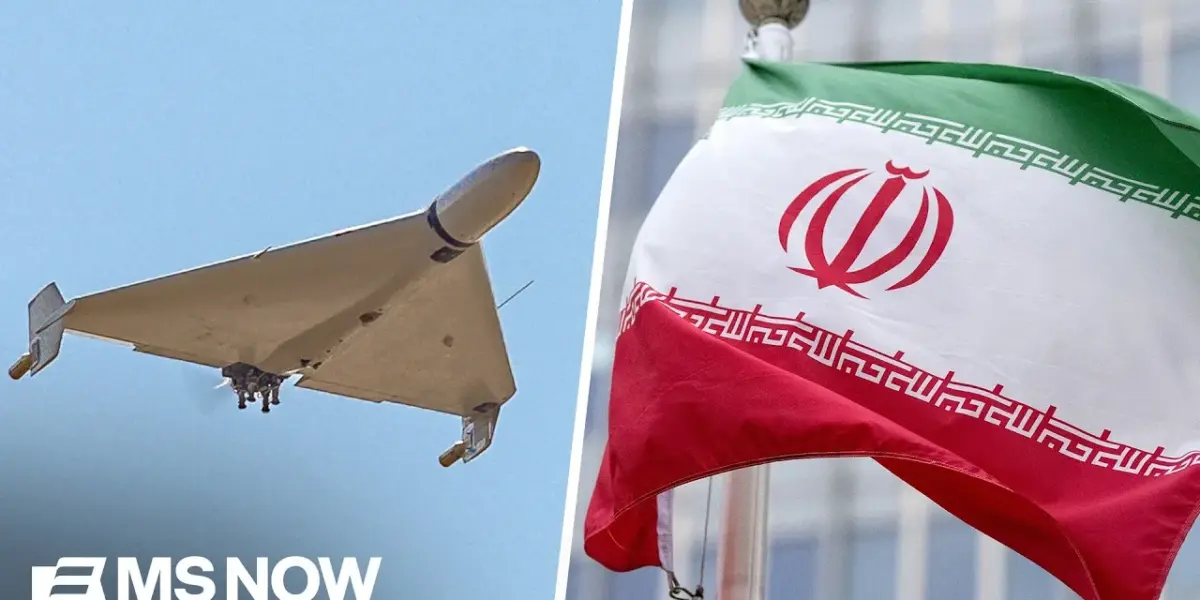
US Seeks Help to Counter Iranian Drones Amid Escalating Tensions
In a significant development highlighting the evolving nature of modern warfare, the United States military is reportedly seeking external assistance to combat the growing threat posed by Iranian drones. These low-cost unmanned aerial vehicles (UAVs) have proven surprisingly effective, piercing air defense systems in the Gulf region and presenting a complex challenge for U.S. forces, despite years of observing similar capabilities used by Russia in Ukraine.
Strategic Shift: Small Deployments Over Large-Scale Invasion
Amidst escalating tensions, the U.S. is reportedly considering a strategic shift away from large-scale invasions towards smaller, tactical deployments of American troops within Iran. This approach, according to former Air Force Special Operations Commander and retired Major Glenn Ignazio, would likely involve special forces and intelligence operatives already operating on the ground, rather than a massive conventional military presence. Ignazio emphasized the importance of having an organized ground effort to facilitate regime change, stating, “We can’t just strike targets. There has to be an organization and organized effort to that.” This strategy aims to avoid the pitfalls of past military interventions while working towards a political transition.
Surprising Attacks on UAE Raise Regional Concerns
The recent drone attacks on the United Arab Emirates (UAE) have raised eyebrows, particularly given the close ties between some Emirati ruling families and Iran. Major Ignazio expressed surprise at these strikes, noting that several wives of UAE leaders are Iranian citizens married into Iranian families. “Seeing the attack against the UAE has been surprising for me,” he commented, underscoring the unpredictable and complex geopolitical dynamics at play.
The Drone Dilemma: Costly Missiles vs. Affordable UAVs
A central issue in the U.S. military’s challenge is the stark economic disparity between the weapons systems involved. Iranian drones, costing between $30,000 and $50,000, can be engaged by sophisticated U.S. missile defense systems like THAAD or Patriot, which each cost upwards of $1 million per interceptor. This cost-prohibitive dynamic puts immense strain on U.S. defense budgets and supply chains.
“These drones can cost only up to $30,000 to $50,000 while you’re seeing a missile like THAAD that usually hits outside the atmosphere, or to the Patriots could cost up to a million plus for each missile. That’s where we’re transitioning to different technology.”
– Major Glenn Ignazio, Retired Air Force Special Operations Commander
Supply Chain Limitations and Development Lag
The U.S. military’s ability to counter the drone threat is further hampered by limitations in its own defense manufacturing and supply chains. The production of advanced interceptor missiles is a slow process; for instance, Lockheed Martin produces only about 50 THAAD missiles annually, with plans to ramp up to hundreds. Similarly, Patriot missile production, while higher at around 600 per year, is aiming for thousands but will take an estimated five years to achieve. Major Ignazio highlighted that while the U.S. is not necessarily unprepared, the necessary advanced technologies are not yet fully deployed or available in sufficient quantities.
Israel’s Advanced Drone Defense Technology
Israel is identified as a leader in drone defense technology, largely due to the persistent threats it faces in the region. The U.S. is reportedly seeking insights and potentially technological cooperation from Israel, which has extensive experience in developing and deploying countermeasures against drone and missile attacks.
The Future of Warfare: A Hybrid Approach
The proliferation of affordable drones signifies a fundamental shift in warfare dynamics, as observed in the Ukraine conflict where drones have become a primary tool against established militaries. Major Ignazio stated, “the entire dynamics of war has completely turned.” This evolution necessitates a transition towards new technologies and strategies. The U.S. military is actively exploring and developing systems to address this evolving threat landscape, recognizing that future conflicts will likely involve a hybrid approach combining physical and economic warfare.
Exit Strategy: Regime Change and a Free Iran
Looking ahead, Major Ignazio believes the conflict’s resolution hinges on achieving regime change in Iran. He stresses the need for clearly defined strategic exit criteria, with the ultimate goal being the establishment of a new, stable government. While acknowledging the optimism of a swift resolution, he suggests that shutting down Iran’s offensive capabilities and facilitating a safe transition to a new leadership would constitute a successful exit. “But you are talking about military operations, focusing into more geopolitical intelligence, and getting a regime where somebody is going to free Iran, which honestly I think the world really wants,” he concluded.
The ongoing challenge of Iranian drones underscores a critical juncture for U.S. military strategy, forcing a re-evaluation of defense investments, technological development, and geopolitical alliances in a rapidly changing global security environment.
Source: Cheap Iranian drones proving to be a problem for U.S. forces as America seeks outside help (YouTube)

Related Articles


Iran Apologizes to Neighbors Amid Escalating Regional Conflict
Iran's President Masoud Pezeshkian has apologized to Gulf neighbors for recent attacks amid escalating conflict with the US and Israel. Despite the apology, questions linger about Iran's internal command structure and the reliability of its assurances as the region faces heightened instability.


Oil Prices Surge as Strait of Hormuz Blockade Hits China
Disruptions in the Strait of Hormuz have sent oil prices soaring, with traffic down 70% and over 150 ships stalled. Analysts link the blockade to a U.S. strategy to curb China's economic rise, potentially pushing oil prices above $100 per barrel.


US Mideast War Fuels Putin’s European Energy Chokehold
A US-led conflict in the Middle East has closed the Strait of Hormuz, creating an energy crisis that empowers Vladimir Putin to put Europe in a chokehold. Despite claims of decoupling, Europe's continued reliance on Russian LNG, coupled with limited alternatives, leaves it vulnerable to escalating prices and potential de-industrialization.