Iran’s Cheap Drones Challenge Global Military Might
Iran's widespread use of inexpensive Shahed drones is proving surprisingly effective, challenging advanced military defenses globally. These drones, costing as little as $20,000, are strategically targeting key infrastructure and forcing adversaries to use costly weapons for interception, creating an economic imbalance.

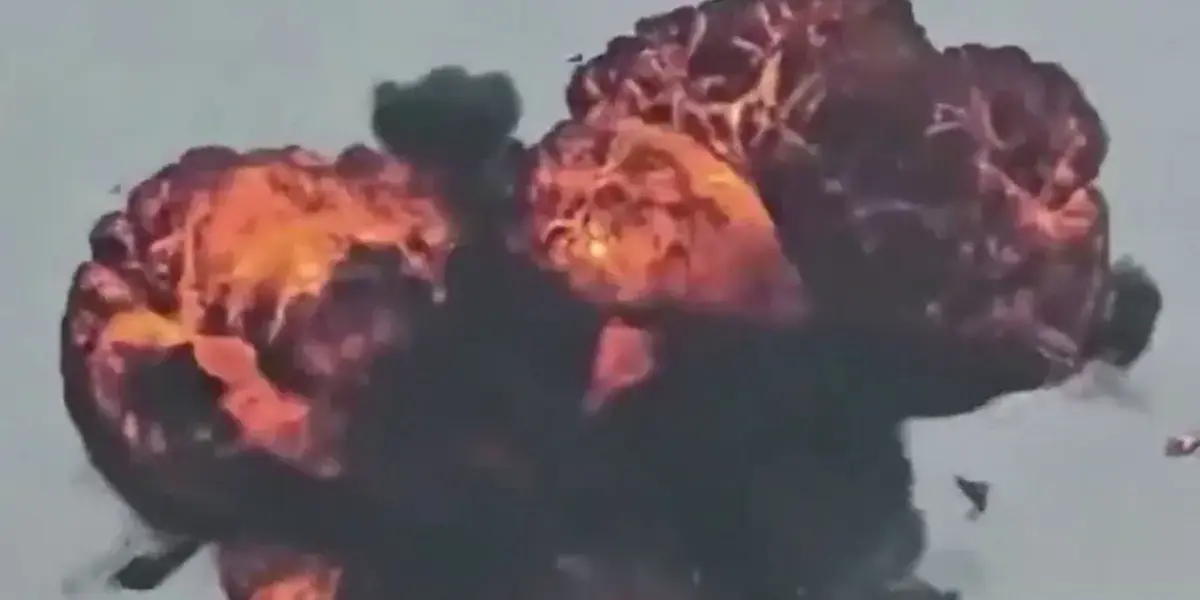
Iran’s Drone Strategy Disrupts Global Military Operations
In recent conflicts, Iran has deployed inexpensive, mass-produced drones, known as Shahed drones, in a way that is significantly impacting military operations and challenging even advanced defense systems. These drones, packed with explosives and sent on one-way missions, are being used in large numbers, forcing adversaries to confront a threat they were seemingly unprepared for. An NBC News analysis of over two dozen drone strikes captured on video shows these Shahed drones hitting important targets like U.S. military bases, airports, and energy infrastructure, demonstrating a clear strategic purpose.
Strategic Targeting and Detection Challenges
Defense policy expert Kelly Greco explained that while these attacks might appear chaotic, there is a deliberate strategy behind them. “When you look at the more closely at what they’re actually doing and you look at their target set, you can see that it’s actually remarkably coherent and it has a clear strategic and operational logic,” Greco stated. A significant portion of successful strikes are occurring near coastlines. Iran is launching these drones on short flights over water, which makes them harder for enemy forces to detect early.
Early detection is crucial for interception. “If you are even delayed in your ability to detect it, it reduces the number of options you have in terms of how you might intercept it,” Greco added. While many Iranian drones are shot down, some before they even launch, the cost of defense is a major concern. U.S. and allied forces are using much more expensive weapons to destroy the relatively cheap Shahed drones.
The Economics of Drone Warfare
A single Shahed drone can be manufactured for approximately $20,000. In contrast, a missile fired from an F16 jet to intercept one of these drones can cost over $400,000. This vast cost difference creates an economic strain on defending forces. This tactic is not entirely new; the Ukrainian military has been using cheaper interceptor drones against Russian Shahed-style drones for years.
However, Western allies appear to have been slow to adapt. It reportedly took the U.S. a full week after the start of the conflict to seek expertise from Ukraine. During that time, Iran had already launched hundreds of drones. “We don’t have the cheaper options that we need to try to intercept these things, particularly at scale, and so we have been caught flat footed in that way,” Greco noted. She added that this situation is “inexcusable given we’ve had four years to learn from from Ukraine.”
An Asymmetrical Advantage
The current situation has become a contest of endurance: can cheap Iranian drones overwhelm expensive anti-drone defenses? Iran’s approach is an indirect one. “It can’t militarily defeat its adversary, but it can try to break its will,” Greco suggested, highlighting the goal of causing disruption rather than outright military victory.
The strategy aims to raise the cost and difficulty for adversaries, potentially deterring future actions. “Part of the Iranian calculus, then, is going to be, have we driven the cost up enough to make sure that this doesn’t happen again?” Greco pondered. This use of low-cost, high-volume drones represents a significant shift in asymmetrical warfare, forcing a reevaluation of defense strategies and resource allocation globally.
Looking Ahead
The effectiveness and affordability of Iran’s drone program raise critical questions about future defense spending and technological development. As the conflict continues, the world will be watching to see how quickly advanced military powers can adapt their defenses to counter this evolving threat and whether cheaper, more scalable interception methods can be developed and deployed effectively. The long-term implications for global security and the economics of warfare are substantial.
Source: How Iran’s use of cheap drones is affecting the war (YouTube)

Related Articles

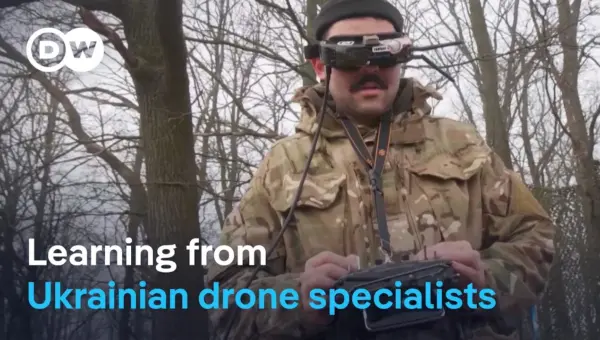
Ukraine War Experts Train British Army in Drone Warfare
Ukrainian soldiers, masters of drone warfare, are sharing their battlefield expertise with the British Army in a secret training program. This exchange offers invaluable insights into the realities of modern conflict, particularly the extensive use of drones. The initiative also includes innovative uses of 3D printing for drone production.


Ukraine Strikes Cripple Russian Oil Exports
Ukrainian drone strikes are crippling Russia's oil exports and damaging its economy, leading to falling domestic support for President Putin. The targeted attacks on refineries and terminals aim to cut off war funding and have significant geopolitical consequences.


US Military Pursues Secret Tech, Lunar Base Plans Emerge
Reports indicate the US military and defense contractors are exploring advanced technologies, possibly reverse-engineering unknown craft. Concurrently, NASA plans a lunar base, while millions of UAP-related files are allegedly deleted, raising transparency concerns. These developments could reshape global power dynamics.