Iran’s Ceasefire Gambit: Global Order Faces New Stress Test
A fragile ceasefire between the US, Israel, and Iran is under strain as Tehran seeks to protect its proxies and control key waterways. The situation highlights regional rivalries, Iran's nuclear ambitions, and challenges to international alliances like NATO, signaling a potential reshaping of the global order.


Iran’s Ceasefire Gambit: Global Order Faces New Stress Test
A fragile ceasefire between the United States, Israel, and Iran has brought a temporary pause to hostilities, but significant tensions remain. Iran is now seeking a ceasefire in Lebanon, aiming to protect its proxy force, Hezbollah. This comes as a key objective of Operation Epic Fury was to dismantle such Iranian-backed groups. Vice President JD Vance clarified that Lebanon was never part of the initial ceasefire agreement, stating, “We never made that promise.” Meanwhile, Iran continues to exert influence over the Strait of Hormuz, a critical global shipping lane. Reports of Iran closing the strait entirely have been met with strong disapproval from the White House.
Key Actors and Their Motivations
The situation involves several major players, each with distinct interests:
- Iran: Seeks to maintain its regional influence through proxy forces like Hezbollah, protect its nuclear and ballistic missile programs, and potentially buy time to advance its strategic goals. The regime also aims to protect itself from internal dissent, evidenced by efforts to suppress protests and expedite executions.
- United States: Aims to de-escalate regional conflicts, prevent Iran from acquiring nuclear weapons, and ensure the free flow of commerce, particularly through the Strait of Hormuz. The Trump administration also seeks to curb Iran’s support for terrorist groups and its ballistic missile program.
- Israel: Focused on dismantling Iran’s proxy network, especially Hezbollah, due to its stated commitment to Israel’s destruction. Israel views degrading Hezbollah’s capabilities as crucial for its own security.
- Lebanon: Caught in the crossfire, with Hezbollah deeply embedded in civilian areas and utilizing human shields, complicating military operations and ceasefire efforts.
- Gulf States (Bahrain, UAE, Kuwait): Have been targets of Iranian strikes, highlighting the regional instability Iran’s actions create.
- Iranian People: Suffering under the regime, facing repression, and experiencing economic hardship. Many are seeking change and are reportedly unwilling to accept deals that do not address their grievances.
The Lebanon Complication and Hezbollah
A significant point of contention is the inclusion of Lebanon in the ceasefire. While Iran reportedly believed it was part of the deal, the U.S. and Israel have made it clear it was not. Hezbollah, described as an Iranian proxy committed to Israel’s destruction, has integrated itself into civilian areas. This strategy includes using human shields, building weapons factories in homes, and operating through hardened underground tunnels. Israel views degrading Hezbollah’s military capabilities as a vital security necessity.
Strait of Hormuz: A Vital Chokepoint
President Trump’s decision to call off potential strikes was reportedly based on Iran reopening the Strait of Hormuz. This strait is essential for global oil transport, with a significant portion of the world’s oil passing through it daily. Any disruption here has immediate and severe economic consequences worldwide. Conflicting reports on whether the strait is fully open underscore the ongoing uncertainty and Iran’s ability to influence this critical waterway.
Nuclear Ambitions and Ballistic Missiles
A central concern for the international community is Iran’s nuclear program and its ballistic missile development. Experts emphasize the need to halt Iran’s enriched uranium stockpiles, prevent future enrichment, and stop its ballistic missile program. Failure to address these issues is seen as a significant risk to regional stability and global security.
Internal Dissent and Regime Tactics
Inside Iran, the regime faces internal pressure from protests, which have been met with brutal force. Reports indicate that tens of thousands of Iranians have been killed or detained. The regime’s actions, such as expediting executions and restricting internet access, are seen as attempts to silence dissent, intimidate the population, and prevent organized resistance. Some analysts believe the regime is seeking a deal to gain time, while the Iranian people are pushing for fundamental change.
Anti-Semitism and Protests
The discussion also touched upon protests in Western capitals, including New York City, where some demonstrators expressed anti-Israel and anti-American sentiments. These sentiments were characterized by some as a modern form of anti-Semitism, known as anti-Zionism, and a moral confusion that sides with an authoritarian regime over democratic values. The speakers argued that such viewpoints endanger not only Israel and Jewish people but also Western democracies.
NATO’s Role and US Frustration
The role of the NATO alliance has also come under scrutiny. During Operation Epic Fury, some NATO members reportedly denied U.S. forces access to bases and airspace. This has fueled frustration over the burden-sharing within the alliance, with the U.S. bearing a disproportionate cost for collective security. President Trump has previously urged NATO members to meet their defense spending commitments. While some advocate for reforming NATO to ensure stronger commitments from all members, the question remains whether the alliance can adapt to current geopolitical challenges.
Global Impact: Why This Reshapes the World Order
The ongoing standoff with Iran, coupled with shifts in global alliances like NATO, signals a period of profound geopolitical re-alignment. Iran’s actions challenge established international norms and threaten critical global trade routes. The response from the U.S. and its allies, particularly Israel, will shape regional stability for years to come. Furthermore, the debate over NATO’s effectiveness and the U.S. role within it highlights a broader questioning of existing security architectures. As the world grapples with these complex issues, the potential for miscalculation remains high, impacting everything from energy markets to international diplomacy.
Historical Context
The current tensions echo historical patterns of conflict and diplomacy in the Middle East. Iran’s pursuit of nuclear capabilities has been a long-standing concern, dating back decades and involving numerous international agreements and disputes. The proxy conflicts, particularly involving Hezbollah, are rooted in the broader regional rivalries that have defined the Middle East since the late 20th century. The debates surrounding NATO also draw from the alliance’s post-World War II origins and its evolving role in a multipolar world.
Economic Leverage
Economic tools, particularly sanctions, remain a key element in international negotiations with Iran. The discussion emphasized that sanctions should not be lifted without tangible concessions from Iran. The flow of money related to past deals and the potential impact of sanctions on Iran’s economy are crucial factors influencing its negotiating stance.
Future Scenarios
Several future scenarios are possible:
- De-escalation and Diplomacy: A successful diplomatic resolution could lead to Iran curbing its nuclear program, halting support for proxies, and reintegrating into the international community under strict oversight. This scenario relies on genuine good faith negotiations and verifiable compliance.
- Continued Regional Conflict: If negotiations fail, tensions could escalate, leading to further military actions, increased proxy warfare, and greater instability in the Middle East. This could involve expanded strikes against Iranian assets or a wider regional conflict.
- Internal Iranian Upheaval: Growing internal dissent, potentially fueled by economic hardship and international pressure, could lead to regime change within Iran. This could be a peaceful transition or a violent revolution, with unpredictable consequences for the region.
- Shifting Alliances: The U.S. may reassess its commitments to alliances like NATO, seeking more reliable partners and potentially reallocating resources to different regions or bilateral security arrangements.
The likelihood of each scenario depends on the complex interplay of international diplomacy, regional power dynamics, and internal developments within Iran.
Source: Middle East emergency talks, Noa Tishby, and tolls on the Strait of Hormuz? | KPT Full Episode 4/8 (YouTube)

Related Articles

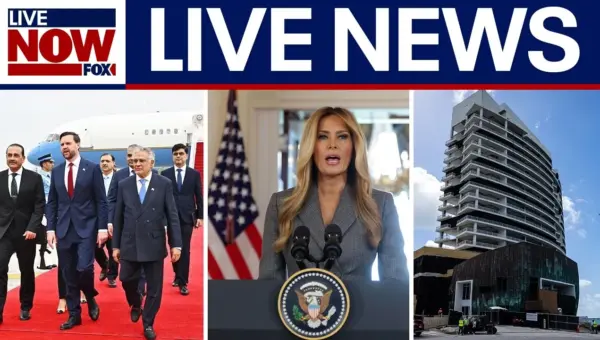
Iran Peace Talks Stall: US, Iran Far Apart on Nuclear Deal
US-Iran peace talks have ended after 21 hours without an agreement, with Vice President JD Vance stating Iran refused to commit to abandoning its nuclear weapons program. The collapse of negotiations adds to regional tensions as a ceasefire between Israel and Hezbollah is set to expire next week.

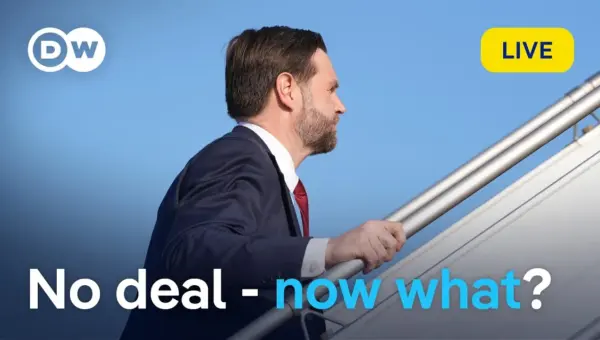
US-Iran Peace Talks Collapse: What’s Next for Global Stability?
Peace talks between the United States and Iran have collapsed in Islamabad, with both sides blaming each other for the failure. Key sticking points included Iran's nuclear program and the ongoing blockade of the Strait of Hormuz, raising fears of renewed conflict and continued global economic disruption.
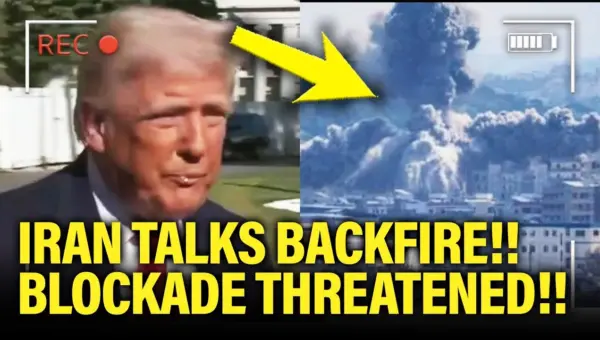
US-Iran Talks Collapse Amid Threats, Escalating Tensions
U.S.-Iran negotiations in Pakistan have collapsed following alleged U.S. attempts to alter a prior agreement. This breakdown has led to threats of a naval blockade and raises concerns about global economic stability and shifting geopolitical alliances, particularly regarding China's growing influence.