Iran’s Bunker Obliterated: Russia Aids Tehran Against US
Iran's secret bunker has been reportedly vaporized by Israeli airstrikes, as the U.S. intensifies its own assaults on Iranian military targets. Adding a dangerous new dimension, Russia is accused of providing Tehran with intelligence to target American forces, raising fears of wider conflict.


Iran’s Secret Bunker Vaporized Amid Escalating Regional Conflict
In a dramatic escalation of the ongoing conflict in the Middle East, Iran’s clandestine military bunker, located beneath a key leadership compound in Tehran, has reportedly been destroyed by Israeli airstrikes. The operation, carried out by approximately 50 Israeli Air Force fighter jets, targeted a facility known to both American and Israeli intelligence. While the bunker was not the location of Supreme Leader Ali Khamenei’s immediate residence, its destruction signifies a significant blow to Iran’s military infrastructure and command capabilities.
Footage released from the strikes shows intense aerial bombardment, with massive plumes of smoke rising from the targeted area. The strikes on the secret bunker are part of a broader, sustained aerial assault on Iranian targets. More footage depicts ongoing bombings across Tehran, with explosions lighting up the night sky and visible damage to infrastructure. These actions are presented as a direct response to Iran’s continued launch of missiles and drones, indicating a reciprocal and escalating cycle of aggression.
US Strikes Intensify, Targeting Iranian Military Assets
The United States has also been heavily involved in striking Iranian military targets. Reports detail airstrikes on a clandestine missile manufacturing site near Iran’s Sappe industrial area, as well as a drone carrier that was reportedly hit, smoking, and sinking in the Gulf. Centcom (U.S. Central Command) has released footage of strikes hitting missile launchers, drones, and fighter jets, underscoring a comprehensive campaign to degrade Iran’s military capabilities.
Strikes have also been reported in other parts of western Iran, including the city of Lam, with extensive damage and fires visible in the aftermath. The sheer scale and intensity of these operations are highlighted, with descriptions of “warheads on foreheads” and “around the clock bombings.” Intriguingly, some reports suggest that segments of the Iranian population are viewing these strikes as a form of liberation, with footage emerging of people in Iran appearing to celebrate the bombings of regime targets, treating them akin to a “light show.” This sentiment, if widespread, could indicate a deeper internal division within Iran regarding the current regime and its foreign policy actions.
Mysterious Downing of US F-15s Over Kuwait Raises Questions
Adding a perplexing layer to the already volatile situation, reports have emerged of American F-15 fighter jets being shot down over Kuwait. Alleged video footage purportedly shows a Kuwaiti F-18 engaging and downing these aircraft at a shockingly close range. The incident has raised serious questions, with the source suggesting possibilities ranging from pilot error and panic to a deliberate act. The close proximity of the engagement, far within visual range, necessitates a clear and transparent explanation from all parties involved, particularly given the potential for misidentification and accidental escalation between allied forces.
Russia’s Alleged Role in Aiding Iran Against US Forces
Perhaps the most alarming development is the allegation that Russia is actively assisting Iran in targeting American troops and assets in the Middle East. According to U.S. officials cited by The Washington Post, Russia has provided Iran with intelligence on the locations of U.S. ships, aircraft, personnel, and other assets. This is described as a “pretty comprehensive effort.”
This revelation stands in stark contrast to earlier statements from officials like Secretary of War Pete Hexath, who downplayed the influence of Russia and China in the conflict. The reported Russian involvement is framed as a direct and dangerous escalation, providing Iran with critical targeting information that could lead to direct confrontation and casualties among American forces. The source expresses outrage at this alleged Russian action, stating that if Russia wishes to become involved and risk a response for targeting Americans, then so be it, and the U.S. will respond accordingly.
Regional Defenses Remain Active Amidst Barrage
Meanwhile, Iran continues its own offensive operations, launching drones and missiles across the region. Footage shows Iranian forces releasing what are described as “targets across.” In response, Israeli interceptors have been observed in the sky, actively engaging and shooting down Iranian ballistic missiles, demonstrating the ongoing defensive measures in place. The continuous exchange of fire and the active engagement of air defense systems highlight the pervasive nature of the conflict.
Why This Matters
The events described paint a picture of a rapidly deteriorating security situation in the Middle East. The destruction of Iran’s secret bunker and extensive airstrikes on its military infrastructure represent a significant military action with potentially far-reaching consequences. The alleged involvement of Russia in providing targeting intelligence against U.S. forces is particularly concerning, as it could fundamentally alter the dynamics of the conflict, drawing major global powers into a direct confrontation. The incident with the F-15s over Kuwait, if confirmed and explained, adds another layer of complexity and potential for miscalculation. The narrative of Iranian citizens celebrating strikes on their own government’s targets, if accurate and representative, suggests internal dissent that could be a significant factor in the long-term stability of the region. This confluence of events underscores the fragility of regional peace and the potential for a wider, more devastating conflict.
Implications, Trends, and Future Outlook
The current trajectory suggests an increasing likelihood of direct engagement between Iran and its adversaries, potentially involving allied forces in unintended ways. Russia’s alleged involvement signals a potential realignment of geopolitical alliances and a willingness to challenge U.S. influence more directly. The trend towards asymmetrical warfare, utilizing drones and clandestine facilities, is evident, as are the counter-measures employed by major military powers. The future outlook points towards continued escalation, with a critical need for de-escalation mechanisms and clear communication channels to prevent accidental conflict. The internal dynamics within Iran, as suggested by the purported public reaction to airstrikes, could also play a crucial role in shaping future events.
Historical Context and Background
The current tensions are rooted in decades of complex geopolitical maneuvering, regional rivalries, and Iran’s nuclear program. The U.S.-Iran relationship has been fraught since the 1979 Islamic Revolution, marked by sanctions, proxy conflicts, and intermittent diplomatic efforts. The rise of various militant groups in the region, often supported by Iran, has further destabilized the Middle East. Recent years have seen a pattern of Iran increasing its regional influence through proxies and advanced weaponry, met with retaliatory strikes and sanctions from the U.S. and its allies, particularly Israel. The destruction of military infrastructure and the targeting of leadership compounds are tactics that have been employed in previous regional conflicts, but the alleged involvement of a major power like Russia in providing direct targeting intelligence represents a significant and potentially dangerous evolution of these dynamics.
Source: Iran's Secret Bunker VAPORIZED – Russia Helps Kill Americans (YouTube)

Related Articles


US Munitions Stockpile Faces Urgent Test Amidst Global Tensions
The United States faces a critical challenge as its advanced munitions stockpiles are tested by escalating global tensions, particularly concerning Iran's drone and missile capabilities. The stark economic disparity between intercepting low-cost drones with high-cost missiles raises urgent questions about U.S. military sustainability.

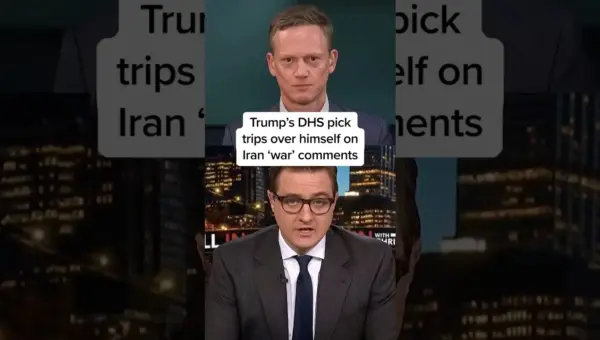
Trump DHS Pick Stumbles on Iran War Stance
Senator Markwayne Mullin, a potential DHS pick for Donald Trump, is facing scrutiny over his inconsistent statements regarding a possible war with Iran. Analysts highlight his verbal gymnastics in interviews, raising concerns about his readiness for a key national security role.


Ex-MI6 Chief: UK Faces Iran Threats, Starmer Lacks Churchill’s Conviction
Former MI6 chief Sir Richard Dearlove discusses the threat of Iranian intelligence operations on UK soil following recent arrests. He also draws a stark comparison between current political leadership and historical figures, suggesting a lack of conviction in figures like Keir Starmer.