Iran’s Bold Stance: Regime Feels Empowered Amidst Negotiations
Iran appears emboldened on the international stage, presenting maximalist demands ahead of negotiations and maintaining control over the Strait of Hormuz. The regime's strategy, viewed as a victory by supporters, contrasts sharply with the silenced dissent of the majority of the Iranian population who face a grim reality of suppressed freedoms.

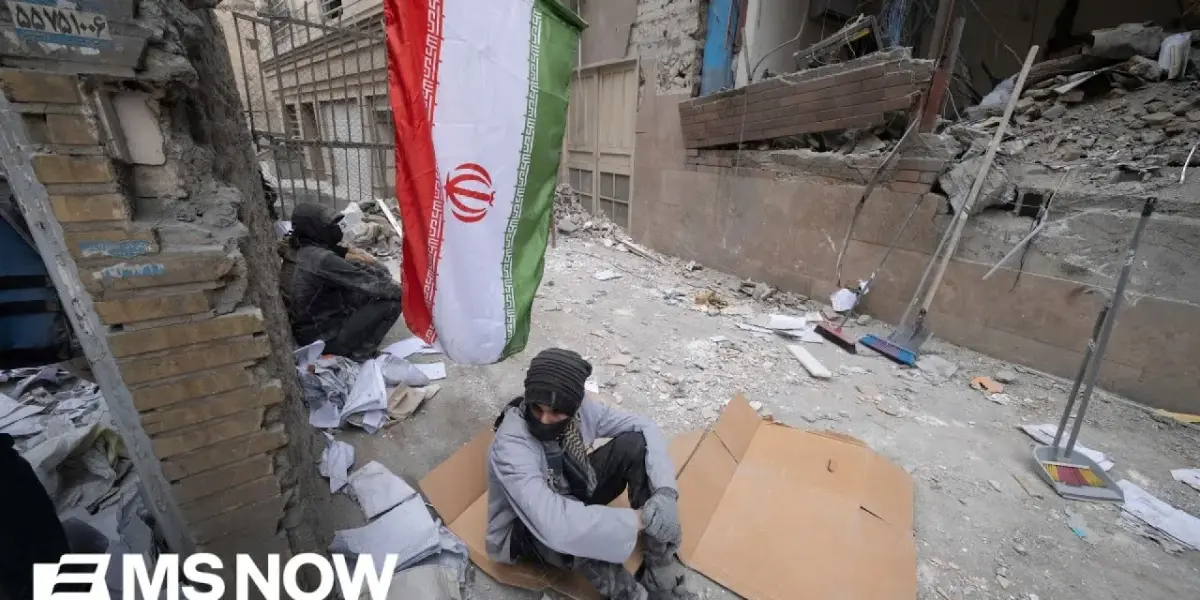
Iran Positions Itself for Talks with Strong Demands
Ahead of crucial negotiations, Iran has presented a list of ambitious demands. The country’s parliament speaker has strongly backed these demands, signaling a firm stance. Iran also continues to maintain control over the Strait of Hormuz, a vital global shipping route. This is despite U.S. pressure and the expectation that reopening the strait was part of a ceasefire agreement. The new supreme leader of Iran has even stated plans to elevate Iran’s management of the strait to a new level.
Regime Appears Emboldened by Recent Events
The actions and statements from Iran suggest the regime feels increasingly confident. This confidence may stem from what they perceive as successfully forcing a ceasefire with the United States through pressure on the Strait of Hormuz. Iran appears to have carefully assessed the situation, recognizing that President Trump was balancing domestic politics with international oil market concerns.
From Iran’s perspective, this strategy has allowed them to bypass direct U.S. military action. For the Iranian regime and its supporters, this outcome is viewed as a significant victory. It is considered astonishing by some, even from an American viewpoint, that the Trump administration and Vice President Pence have seemingly acknowledged Iran’s control over the Strait of Hormuz. This acknowledgment was considered unthinkable just two months prior.
Symbolism and Strategy in International Diplomacy
Symbolism plays a critical role in how Iran approaches international relations and negotiations. Historically, Iran has insisted on setting its own terms for talks. A key aspect of this strategy has been avoiding direct meetings with American officials, instead opting for mediation, often through countries like Pakistan.
Furthermore, Iran has often managed to have lower-ranking Iranian officials meet with more senior American counterparts. This tactic, from Iran’s viewpoint, can suggest a lack of understanding or confusion on the part of the opposing administration. If, for instance, Iran’s speaker of parliament were to meet with the U.S. Vice President, it would represent a major symbolic win for Iran.
“If they won’t even agree to meet directly, I think from an American point of view, Vice President Vance should just walk away. If he doesn’t, that would be an enormous defeat, and it would be very clear that the United States administration is really flailing.”
The transcript highlights the potential symbolic implications of such meetings. Some experts suggest that if direct talks are avoided, the U.S. should consider withdrawing from negotiations. Failure to do so could be interpreted as a significant setback and a sign of weakness from the U.S. administration.
Impact on the Iranian People
The U.S. military campaign and the resulting geopolitical situation have had a profound impact on the citizens of Iran. However, it is crucial to understand that the Iranian population is not a single, unified voice.
Estimates suggest that only about 10 to 15 percent of Iran’s population of 92 million people actively support the current regime. Within this group, half are deeply committed ideological supporters, while the other half rely on the regime for their livelihoods. Around 30 percent of the population remains politically passive, similar to many other countries.
This leaves a significant portion, roughly 50 to 60 percent of the population, who oppose the current government. These individuals desire a free, democratic, and secular system of governance. Unfortunately, the voices of this majority are often silenced, with only the perspectives of regime supporters being widely heard.
Suppression of Dissent and Societal Shock
The transcript reveals a grim reality for those who oppose the Iranian regime. Protests in January reportedly resulted in a brutal crackdown, with estimates suggesting that between 10,000 and 20,000 unarmed civilians were killed in just two days. This level of violence has left many Iranians disheartened and feeling betrayed.
For those who have experienced or witnessed such suppression, including former political prisoners and democracy activists, the current environment offers little hope for open expression. The society is described as being in a state of shock, with very little room for civic discourse or dissent expected in the coming year.
The emboldened regime is not only taking a hard line against the United States but is also expected to intensify its suppression of internal opposition. This creates a climate of fear and silence, leaving many Iranians feeling isolated and unable to articulate their desires for change.
Looking Ahead
The coming months will be critical in observing how Iran’s assertive diplomatic strategy plays out. The upcoming negotiations will be closely watched for any shifts in the U.S. approach and Iran’s ability to maintain its demands. The internal situation within Iran, particularly the space for dissent, will also be a key indicator of the regime’s stability and its future trajectory.
Source: ‘The society is in shock’: Fmr. Iranian political prisoner on life inside Iran (YouTube)

Related Articles

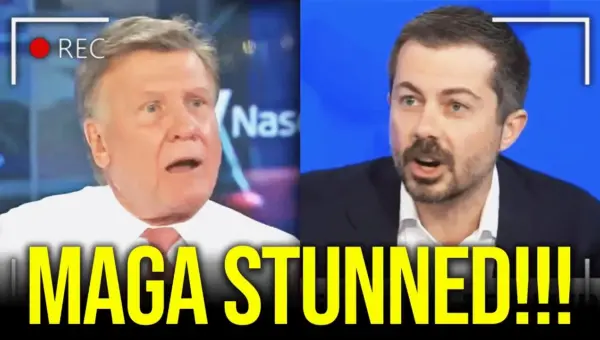
Buttigieg Confronts MAGA Critic on Key Issues Live
Transportation Secretary Pete Buttigieg engaged in a spirited debate on CNBC, challenging pro-Trump arguments on Iran, inflation, and leadership. The exchange highlighted differing perspectives on complex economic and foreign policy issues.
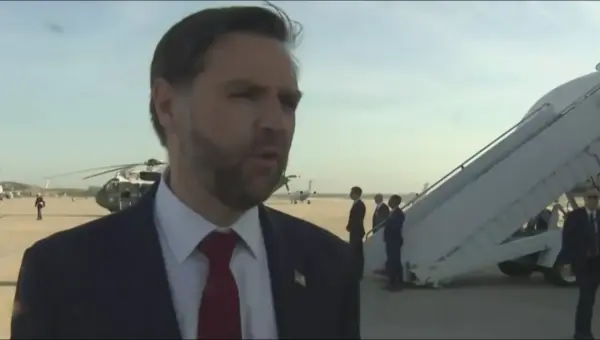
US, Iran Clash on Ceasefire Terms Ahead of Pakistan Talks
Vice President Vance leads U.S. talks with Iran in Pakistan amid a shaky ceasefire and Iranian demands for Lebanon's inclusion and asset release. Tensions over the Strait of Hormuz and domestic inflation add complexity to the high-stakes negotiations.

Iran Halts Strait of Hormuz Traffic Despite Ceasefire
The Strait of Hormuz remains effectively closed to normal traffic despite a recent ceasefire, with Iran reportedly imposing tolls and restricting passage. This continues to disrupt global oil and LNG supplies, leading to significant economic costs. The U.S. military is postured to potentially intervene if diplomatic efforts fail.