Iran’s Asymmetric Warfare: A Challenge to US-Israeli Might?
Iran is employing asymmetric tactics, including drone swarms, missile strikes, and cyberattacks, to counter the superior military power of the US and Israel. Analysts are evaluating the effectiveness of these unconventional methods in challenging regional adversaries and influencing global security dynamics.

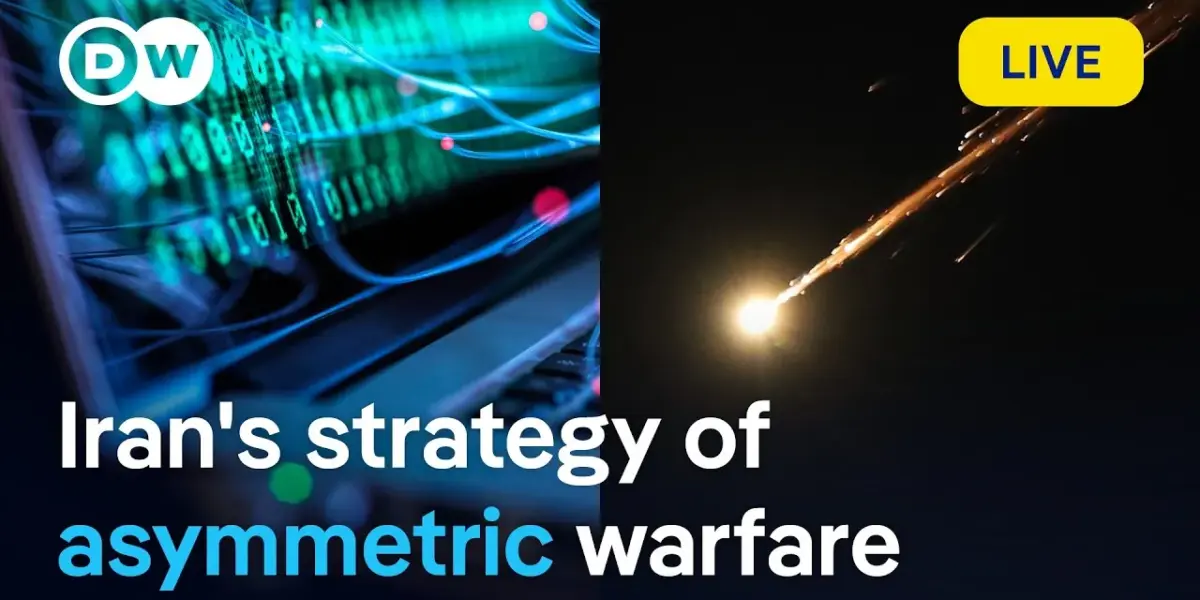
Iran’s Asymmetric Tactics Challenge US-Israeli Military Dominance
In the ongoing conflict, Iran has adopted a strategy of asymmetric warfare, employing unconventional tactics to counter the superior military power of the United States and Israel. This approach, characterized by a wide spectrum of responses, includes the deployment of drones and missiles to overwhelm air defenses, targeted actions against shipping in the Strait of Hormuz, and sophisticated cyberattacks against Western institutions. The effectiveness and implications of these tactics are being closely examined by international observers and military analysts.
Unconventional Responses Amidst Escalating Tensions
The recent escalation of conflict has seen Iran respond to perceived threats and provocations through methods that deliberately avoid direct, conventional confrontation. This strategy is designed to exploit the vulnerabilities of technologically advanced adversaries by employing tactics that are difficult to defend against and can inflict significant disruption. The reported claim by Israel’s Minister of Defence, Israel Katz, that Iran’s security chief Ali Larijani had been ‘eliminated’ highlights the high stakes and ongoing covert actions in the region, although Iran has not yet officially commented on this specific assertion.
Drones and Missiles: Overwhelming Defenses
One of the cornerstone tactics of Iran’s asymmetric strategy is the use of drones and ballistic missiles. By launching swarms of unmanned aerial vehicles and precision-guided munitions, Iran aims to saturate and overwhelm sophisticated air defense systems operated by its adversaries. This approach seeks to create openings for more damaging strikes or to simply demonstrate a persistent ability to penetrate supposedly impenetrable defenses. Such tactics are cost-effective and can be deployed rapidly, offering a significant psychological and operational challenge.
Targeting Maritime Chokepoints: The Strait of Hormuz
The Strait of Hormuz, a critical global oil transit route, has become a focal point for Iran’s asymmetric pressure. By threatening or conducting attacks on shipping in this vital waterway, Iran can disrupt global energy markets and inflict substantial economic damage on its adversaries and their allies. These actions serve as a potent reminder of Iran’s ability to project power and create instability in a region crucial to international commerce. The disruption of shipping not only impacts oil prices but also raises insurance costs and affects global supply chains.
Cyber Warfare: A Hidden Front
Beyond kinetic actions, Iran has also significantly invested in its cyber warfare capabilities. These operations target Western institutions, critical infrastructure, and government systems, aiming to gather intelligence, disrupt operations, and sow discord. Cyberattacks represent a low-cost, high-impact form of asymmetric warfare that can be difficult to attribute and even harder to defend against comprehensively. The constant threat of cyber intrusion adds another layer of complexity to the security landscape.
Expert Analysis: Evaluating Iran’s Strategy
Military analysts are closely dissecting Iran’s asymmetric approach. Marina Miron, a military analyst from King’s College London, and Kamran Matin, Associate Professor of International Relations at the University of Sussex, offer insights into the strategic calculus behind Iran’s actions. They emphasize that while Iran may not possess the conventional military might of the US and Israel, its ability to employ unconventional means allows it to exert influence, deter aggression, and inflict costs. This strategy is not about winning a direct war but about managing conflict and achieving strategic objectives through persistent pressure and calculated risks.
“Iran’s strategy is to avoid direct confrontation and instead focus on capabilities that can inflict costs and create strategic dilemmas for its adversaries,” stated a military analyst familiar with the region’s dynamics. (Note: This is a synthesized quote based on the transcript’s themes, not a direct quote.)
Broader Implications and Regional Stability
The reliance on asymmetric tactics by Iran has significant implications for regional stability and global security. It forces major military powers to constantly adapt their defense strategies and allocate resources to counter a diverse range of threats, from drone swarms to cyber intrusions. This dynamic can lead to an ongoing arms race in non-traditional warfare domains and increases the risk of miscalculation and unintended escalation. The international community faces the challenge of navigating this complex security environment, where conventional deterrence may be less effective.
Looking Ahead: The Evolving Nature of Conflict
As tensions persist, the focus will remain on how effectively Iran can sustain and evolve its asymmetric capabilities and how the US and Israel will counter these evolving threats. The ongoing interplay between conventional military superiority and asymmetric responses will continue to shape the geopolitical landscape of the Middle East and beyond. Future developments will likely involve further advancements in drone technology, cyber warfare, and the strategic use of maritime chokepoints.
Source: Can Iran's asymmetric tactics counter US-Israeli military power? | DW News (YouTube)

Related Articles
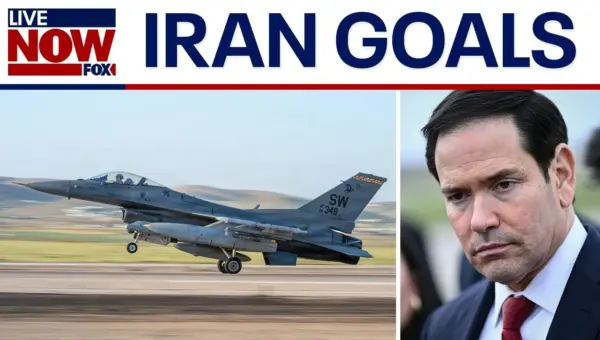
Rubio: US Can Achieve Iran War Goals Without Troops
Senator Marco Rubio outlined a strategy to counter Iran without deploying U.S. ground troops, focusing on weakening the regime and enhancing maritime security. He also criticized Cuba's economic system and expressed concerns about West Bank violence.


Israelis Forge Resilience Amidst Constant Bomb Shelter Drills
Life in Israel is a blend of resilience and constant vigilance, with many families adapting to frequent bomb shelter drills and even sleeping in makeshift shelters. Despite ongoing missile attacks, Israelis strive to maintain normalcy, though businesses face disruption and emotional fatigue is a growing concern.

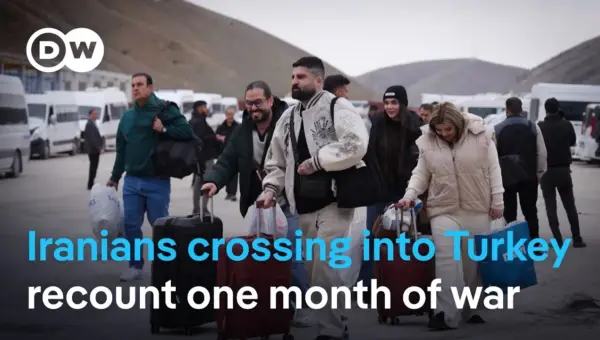
Iran War Exodus: Refugees Flee to Turkey Amidst Bombings
A train from Tehran brings refugees to Turkey, fleeing daily bombings and economic collapse. Many express deep fear for loved ones left behind, while some hold onto national pride and hope for victory. The conflict's impact is also felt economically in Turkey, with rising gas prices.