Iran’s AI Trolls Outsmart Trump’s Online War
Iran has turned to AI-generated videos and a relentless online trolling campaign to counter Donald Trump following failed negotiations. This strategy highlights a new form of asymmetrical warfare in the digital age, raising questions about the future of international relations and information control.

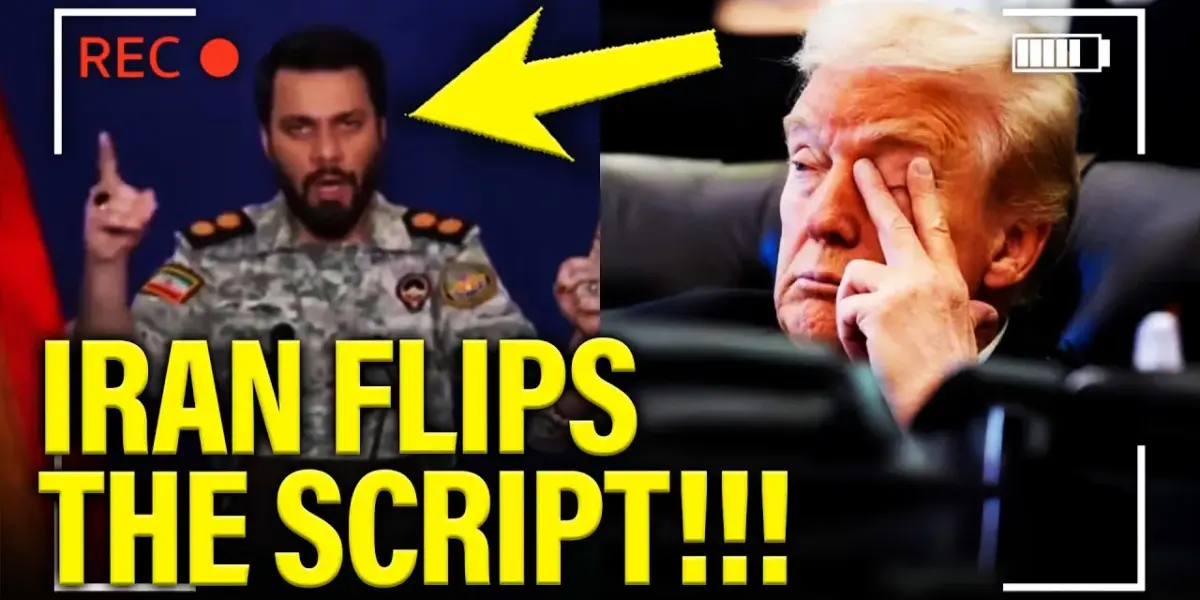
Iran Leverages AI and Social Media to Counter Trump’s Tactics
When international negotiations falter, nations often seek to gain an advantage through various means. Recently, following failed talks in Islamabad, Pakistan, Iran appears to have adopted a novel strategy to counter what it describes as the “perfidious, evil, and deceitful American enemy.” Instead of focusing solely on traditional diplomatic or military responses, Iran has turned to the digital battlefield, using artificial intelligence (AI) and a sophisticated online presence to mock and undermine Donald Trump and his administration. This shift represents a significant development in how nations engage in international disputes, moving beyond physical confrontation to information warfare.
The Rise of Online Trolling as a Diplomatic Tool
Iran’s approach involves creating and disseminating AI-generated videos and social media content that directly target Donald Trump. These videos, often using a distinctive “Lego” animation style, portray Trump in a negative light, highlighting his perceived flaws and inconsistencies. Some videos depict him as a clown, others show him consuming crude oil to survive, and some even present him as being haunted by figures like the Grim Reaper or Jeffrey Epstein. The messages accompanying these visuals are scathing, calling Trump a “liar,” a “fraud,” and a “joke,” questioning his character and legacy.
This strategy goes beyond simple political commentary. It is a deliberate attempt to engage in “asymmetrical online warfare,” as described by observers. The use of AI allows for rapid production of highly targeted and often provocative content. Iran’s official statement following the failed negotiations declared their rejection of U.S. conditions and their commitment to defending their homeland by “all available means, whether military or diplomatic.” The subsequent release of these videos suggests that information warfare is now considered a key component of those available means.
“We’re not even winning the [expletive] talking war. We’re not even winning that. The [expletive] talk. You think America would win that at least if we’re going to win one thing? We’re getting bodied by Iranian AI in the war of [expletive] talk. Truly, how embarrassing.”
Historical Context: The Evolution of Information Warfare
Historically, governments have engaged in propaganda and psychological operations to influence public opinion and undermine adversaries. The State Department itself once had departments dedicated to countering such foreign influence campaigns. However, the current approach by Iran, amplified by AI, represents a more personalized and relentless form of online engagement. This tactic leverages the very tools that figures like Trump have used to communicate and rally support, turning them back on him.
The effectiveness of this strategy is debated, but its visibility is undeniable. The videos are designed to be shareable and impactful, aiming to erode credibility and create a narrative of weakness. Observers note that this form of online engagement is a departure from traditional diplomatic responses and highlights the growing importance of digital platforms in international relations.
Why This Matters: The Shifting Landscape of Global Influence
The implications of Iran’s AI-driven online campaign are far-reaching. It suggests that nations, particularly those facing more powerful adversaries, can find ways to compete in the digital sphere. This development raises questions about the future of diplomacy, the role of social media in international affairs, and the potential for AI to be used in political and informational conflicts. The ability to generate highly personalized and emotionally resonant content at scale means that the information environment can become increasingly volatile and difficult to control.
Furthermore, the criticism leveled against Trump by former supporters, as highlighted in some of the content, indicates that this strategy may resonate beyond international audiences. When even former allies express embarrassment over a nation’s perceived inability to compete in online discourse, it signals a potential erosion of influence. This situation underscores the need for a deeper understanding of how these digital tactics impact public perception and geopolitical standing.
Future Outlook: The AI Arms Race in Information
As AI technology continues to advance, we can expect to see more sophisticated and widespread use of these tools in international relations. Nations will likely invest more resources in developing their own AI capabilities for information warfare, leading to a potential AI arms race in the digital space. The challenge for governments and international bodies will be to establish norms and regulations for the use of AI in conflict and to develop strategies to counter disinformation and manipulation.
The current situation serves as a stark reminder that the battle for hearts and minds is increasingly being fought online. Iran’s use of AI-generated content to troll Donald Trump demonstrates a willingness to explore new frontiers in this ongoing conflict. It forces us to consider how traditional power dynamics are being reshaped by technological innovation and the evolving nature of global communication.
Source: Trump LOSES IT as Iran DROPS VIDEOS to SCARE HIM!!! (YouTube)

Related Articles
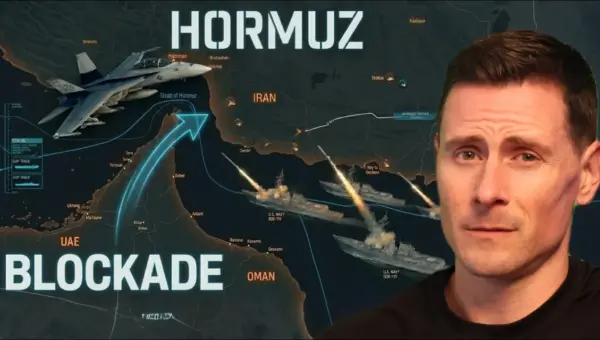
US Navy Blockades Strait of Hormuz After Talks Collapse
The U.S. Navy has launched a naval blockade of the Strait of Hormuz after critical ceasefire talks with Iran collapsed. This move follows accusations of Iranian "extortion" through alleged mine-laying and toll collection in the vital shipping lane. The operation aims to ensure global energy flow and challenge Iran's control over the waterway.

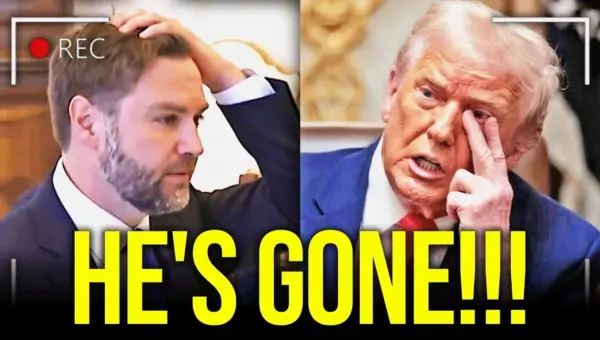
Trump Escalates Iran Conflict, Threatens Blockade
Former President Donald Trump has escalated tensions with Iran by threatening to blockade the Strait of Hormuz following failed negotiations led by Senator JD Vance. This move is marked by significant contradictions and raises concerns about global economic stability and the risk of wider conflict.

Trump Blocks Iran’s Oil, Bombers Ready for War
Negotiations between the US and Iran have collapsed, leading President Trump to announce a blockade of the Strait of Hormuz. The US Navy is preparing for potential strikes, with bombers loaded and on high alert.