Iran’s Aggression Escalates After Supreme Leader’s Death
Tensions flare at the UN Security Council following attacks on Iran, coinciding with the death of Supreme Leader Ali Khamenei. Allies express concern over Gulf security, while economic forecasts predict rising oil prices amidst fears of prolonged regional instability.

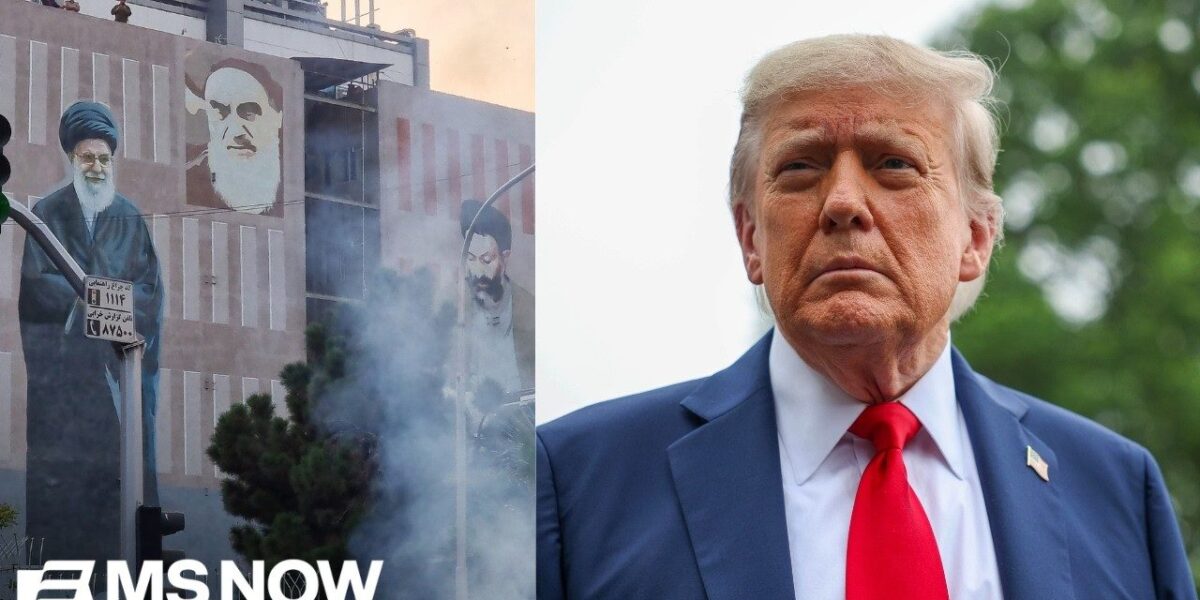
UN Security Council Sees Tense Exchanges Amid Calls for De-escalation
The United Nations Security Council convened yesterday in an emergency session marked by sharp verbal exchanges between Iran, the United States, and Israel, following a series of sweeping attacks. The international community, including UN Secretary-General Antonio Guterres, voiced grave concerns over the escalating hostilities and urged a return to diplomatic channels. “Military action carries the risk of igniting a chain of events that no one can control in the most volatile region of the world,” Guterres stated, emphasizing that “there is no viable alternative to the peaceful settlement of international disputes.” He expressed deep regret that the “opportunity of diplomacy has been squandered” and called for an “immediate cessation of hostilities,” warning that the alternative is a “potential wider conflict with grave consequences for civilians and regional stability.”
Iran Reacts to Supreme Leader’s Demise: A Turning Point?
The death of Iran’s Supreme Leader, Ali Khamenei, has sent shockwaves through the nation and the global community. For millions of ordinary Iranians, this marks the end of over three decades of what is described as an “iron grip” on the country. Many view Khamenei as the primary architect of the nation’s “oppression, repression, and isolation.” Sources within Iran suggest that people in Tehran and other cities believe this is a “new chapter” in Iran’s history, though the future remains uncertain. This sentiment is particularly strong following the brutal crackdown on protesters earlier in January, leading many to desire a move beyond the current Islamic regime.
While the regime and its ideological supporters remain, the economic and infrastructural control wielded by the Islamic Revolutionary Guard Corps (IRGC) raises significant questions about the future power dynamics. The recent strikes, which have reportedly hit Iran’s leadership, intelligence apparatus, and military, place the regime in an “extremely weak point” as it grapples with succession and the path forward.
“Millions of ordinary Iranians this morning woke up to a news that the majority of them wanted. Ali Khamenei, for more than 30 years, has held an iron fist, an iron grip over the country. Many people see him as the sole figure that’s responsible for the oppression, repression and isolation of the country.” – Tara Kangerloo, Adjunct Professor at Georgetown University
US Assures Allies Amidst Gulf Security Concerns
U.S. Ambassador to the United Nations, Mike Waltz, delivered a strong message of reassurance to allies in the Gulf. “The safety of our allies is not conditional. It is assured,” he declared at the UN Security Council. “Our allies and partners can count on the United States and can count on President Trump.” Waltz asserted that “peace is not preserved by appeasing those who threaten it. Peace is preserved through strength in the face of terror,” echoing President Trump’s stance on decisive action.
However, analysts express caution regarding the practicalities of ensuring the safety of U.S. allies in the Gulf, which have been targets of Iranian aggression, including attacks in Dubai, Kuwait, and Bahrain. Ed Luce, U.S. national editor for the Financial Times, highlighted the vulnerability of these close-knit city-states, noting Iran’s deployment of “Shaheed drones” which are cheaper to produce and harder to intercept due to their low-altitude flight capabilities. “Covering the whole of the Gulf is a pretty tall order given the capability and nature of drones and the fact that Iran clearly sees these Gulf allies of the United States as the soft underbelly,” Luce commented.
“The safety of our allies is not conditional. It is assured. The bottom line is this, colleagues. Our allies and partners can count on the United States and can count on President Trump.” – Mike Waltz, U.S. Ambassador to the United Nations
Regional Proxies Remain Cautious Amidst Unfolding Events
The reaction of Iran’s regional proxies is being closely monitored. Sources in Lebanon report that Hezbollah has adopted an uncharacteristically quiet stance, despite strong backing from Iran and its former Supreme Leader. This caution is attributed to their potentially precarious position. Similarly, pro-Iran paramilitary groups in Iraq are reportedly “standing by.” The subdued response from these key allies suggests a period of strategic assessment as they navigate the shifting landscape following Khamenei’s death and the ongoing regional tensions.
Economic Ramifications: Oil Prices and Global Markets on Edge
The economic fallout from the escalating conflict is a significant concern. Reports indicate that traders may be underestimating the potential impact of Iranian retaliation on the global oil market. Crude oil futures are expected to rise significantly when markets reopen, reflecting the incorporated risk. The avoidance of critical shipping lanes, such as the Strait of Hormuz, through which approximately a quarter of the world’s oil shipments pass, and potential threats to the Suez Canal, are contributing factors. Container freight companies are already rerouting, which is likely to drive up oil prices.
Beyond short-term price fluctuations, experts warn of the potential for prolonged instability. Drawing parallels with past interventions and regime changes in Iraq and Libya, there is a “reasonably high risk” of widespread chaos and instability spilling over from Iran. This prolonged instability could pose substantial risks to global energy supplies and prices in the weeks and months ahead.
“The question here isn’t what the blip will be on Monday or Tuesday. Doubtless, there is going to be a rise in crude. It’s a question of how long this goes on for.” – Ed Luce, U.S. National Editor, Financial Times
Looking Ahead: Diplomacy vs. Escalation
As the situation develops, the world watches to see whether diplomatic efforts can prevail over further military escalation. The coming days will be critical in determining Iran’s internal political trajectory and its foreign policy under new leadership. The international community’s ability to foster de-escalation and encourage dialogue will be paramount in preventing a wider conflict and mitigating the severe economic and humanitarian consequences for the region and the world. The cautious stance of Iran’s proxies and the volatile nature of the oil markets suggest that the path forward remains fraught with uncertainty.
Source: Iran doubles down on its aggression. Is it enough for U.S. allies to convince Trump to ‘back off’? (YouTube)

Related Articles
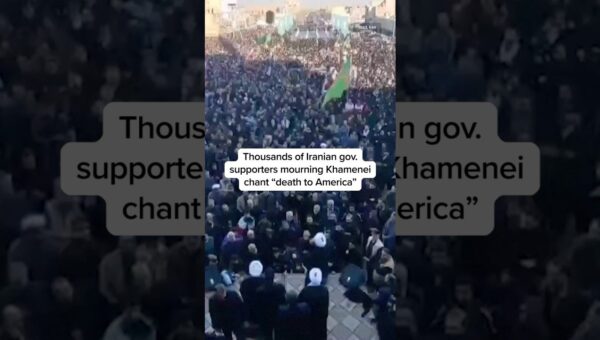
Thousands Mourn Khamenei, Chant ‘Death to America’ in Iran
Thousands gathered in Yazd, Iran, to mourn Supreme Leader Ayatollah Ali Khamenei following reported U.S. and Israeli strikes. The mourning ceremony was marked by chants of "Death to America," highlighting deep-seated anti-American sentiment amid geopolitical tensions.

Middle East Crisis Triggers Global Chaos: Flights, Oil Prices Hit
A major global crisis has erupted following coordinated strikes on Iran, triggering a massive retaliatory response that has impacted multiple countries across the Middle East. The large-scale attacks have caused widespread aviation chaos and pose significant risks to global energy markets and financial stability.
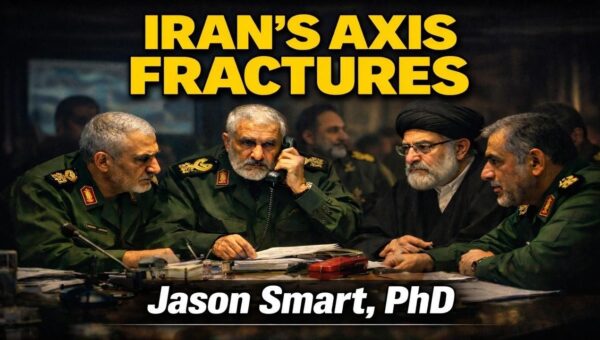
Iran’s Regime Under Siege: Attacks Cripple Leadership, Impact Russia
Iran's regime is reportedly facing critical blows from targeted attacks, crippling its leadership and severing a vital military supply line to Russia. This dual pressure is significantly impacting Russia's war efforts in Ukraine, while internal dissent grows within Iran.