Iranians Share Harrowing Wartime Experiences Amidst Conflict
Iranians are sharing harrowing accounts of daily life under the threat of war, describing constant fear, loss, and deepening societal divisions. Voices from Tehran and the diaspora reveal a complex mix of hope for change and despair over the ongoing conflict, with many fearing for their country's future.

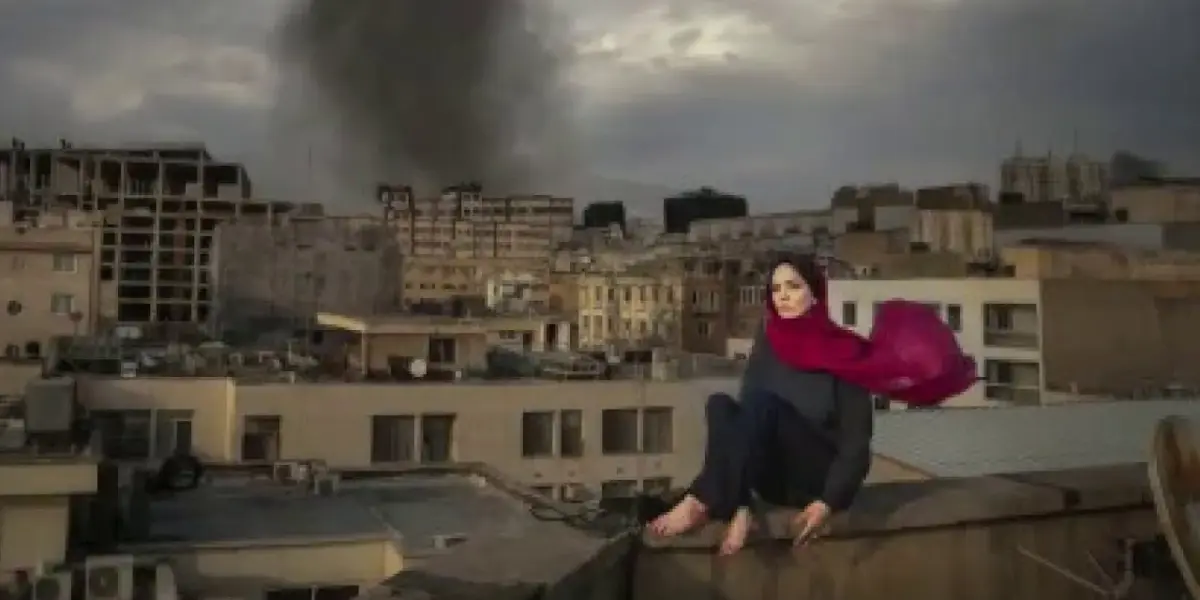
Iranians Describe Daily Life During Wartime
Imagine living with the constant fear of not knowing when a missile or bomb might fall, potentially claiming your life or the lives of fellow citizens. This is the grim reality for many in Iran, as described by individuals sharing their experiences from within the country. Despite being largely cut off from the outside world, voices have emerged, offering a glimpse into the daily struggles and anxieties of wartime. These accounts paint a stark picture of life under threat, where every second can feel unbearable.
Moments of Terror and Loss
Mariam, a conceptual artist in Tehran, has been sending voice messages detailing her experiences. She describes the chilling sound of fighter jets overhead, followed by the agonizing wait for an explosion. “Those seconds between the sound of the jets and the blast are unbearable,” she shared. She has also created powerful images of friends posing in Tehran, capturing the somber mood over the past few weeks. One particularly harrowing account describes a “horrifying sound” that shook a house, leading to screams and an “apocalyptic” scene. The artist witnessed unspeakable sights, including a headless body, a severed hand, and a father desperately searching for his son.
Fear and Uncertainty Beyond the Capital
Even areas outside the capital, which have seen fewer strikes, are not immune to the dangers. A dual U.S.-Iranian citizen, who requested anonymity for her safety, is sheltering with relatives. She expressed deep worry about her life and the future, stating, “Any moment, any place could become dangerous.” The feeling of losing everything weighs heavily on her. She added, “I worry about the life I built, a life I loved and hoped would improve. But it feels like we are losing everything.”
Deepening Divisions and Fears of Fragmentation
The conflict is also exacerbating divisions within Iran. “What I fear is the fragmentation of Iran. What I fear is a civil war in Iran,” one individual stated. There is anger directed at those who believe a military attack will bring freedom, with a pointed question: “Ignoring the experiences of Iraq, Afghanistan, Libya and many other countries.” Another woman, who returned to Iran to care for her elderly parents, shared similar concerns. She noted that people who were once united against the current government are now divided amongst themselves. “People who were united before against the Islamic Republic are now divided themselves. I had the worst argument ever with my own sister, who supports the war,” she explained.
Diaspora Perspectives: Hope and Anguish
For some Iranians living outside the country, like Rania, whose family remains in Iran, the ongoing conflict brings complicated emotions. She acknowledged the difficult situation, saying, “We Iranians, we tried 47 years. We tried everything, all the methods in the book, and we only faced guns and prisons and executions.” Rania described the internal struggle of holding hope for change while her homeland is under attack. “One day I wake up and half of my brain decides to be happy about what’s happening. The other day, I’m just like, but my country is getting hit,” she confessed.
War as a Last Resort?
However, not all Iranians in the diaspora believe war is the answer. Nagar, also based in London, stated, “War was always going to leave us with worse outcomes.” She questioned the idea of freedom through force, adding, “You can’t free the people you’re bombing. People who don’t have the security of, you know, just walking down the street are not free.” Despite these differing views, a common hope for a future decided by Iranians, free from foreign interference, unites many.
A Desire for Freedom and a Peaceful Future
The desire for freedom and a future determined by Iranians themselves is a shared aspiration among those who spoke out. Inside Iran, however, the immediate threat of death remains. One person expressed deep love for Tehran, their birthplace, stating, “I love Tehran, this is the city where I was born and grew up, and I want to die here. If Tehran is going to fall, then I will fall with it.” There is a strong hope that these “bitter days will pass” and that Iran’s future will be bright, characterized by the “natural right of a free country, a country without foreign interference and without invasion.”
Complexities and Internal Divisions
Journalist Molly Hunter, who reported on these accounts, highlighted the complex feelings within the Iranian diaspora. She noted the internal debate about survival, potential change, and the possibility of exiled Iranians returning home, all while acknowledging that those in the diaspora are not the ones facing the daily bombings. Hunter also pointed out that divisions within the diaspora are becoming more apparent, particularly concerning the current war, leading to strained relationships and family arguments. She emphasized the bravery of those inside and outside Iran who are speaking out, given the risks of targeting by the current regime for engaging with foreign media.
Looking Ahead
The accounts from Iran reveal a population enduring immense hardship and fear, grappling with internal divisions, and holding onto a deep-seated hope for freedom and self-determination. As the conflict continues, the world watches to see how these internal and external pressures will shape Iran’s future. The bravery of individuals sharing their stories, despite significant risks, underscores the urgent desire for peace and a future decided by Iranians themselves.
Source: Iranians describe daily life during wartime (YouTube)

Related Articles
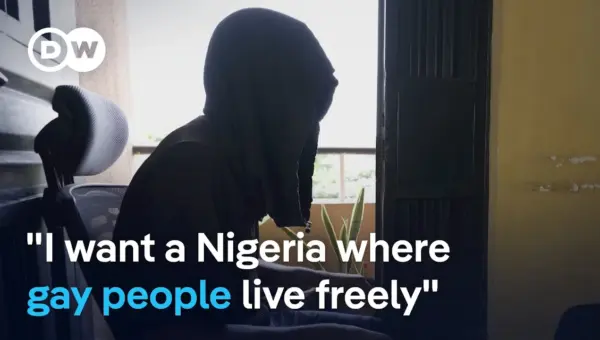
Nigeria’s ‘Kito’ Scam Targets LGBTQ+ People with Violence
Nigeria's LGBTQ+ community is facing a surge in violent 'Kito' scams, where victims are lured online, ambushed, beaten, and blackmailed. Rights groups report over 50 cases since December, highlighting the dangerous exploitation of anti-gay laws and societal homophobia. Survivors share harrowing accounts of physical and emotional trauma, living in constant fear.

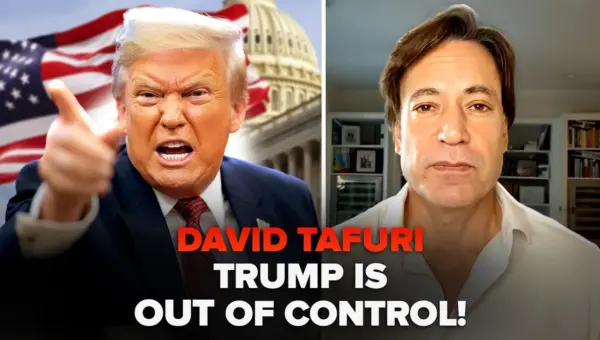
Trump Halts Iran Strikes Amid Stalled Diplomacy
President Trump announced a pause on planned strikes against Iran, citing productive talks, though Iran denies negotiations occurred. Reports also suggest a potential U.S. ground operation on Iran's Hark Island. The situation raises concerns about international support for Ukraine and potential shifts in U.S. foreign policy.

Iran’s Missile Threat Reduced by 90%, Analyst Says
An analyst reports that Operation Epic Fury has degraded Iran's missile launchers by 90%, despite challenges in targeting hidden sites. The conflict's duration and media coverage are also discussed, with implications for global energy markets and investor confidence.